PHIM Responsive Header

Tag: E&Surveillance

  • Mpox (Training of Trainers) ToT by Public Health Institute of Malawi Countrywide.

    Mpox (Training of Trainers) ToT by Public Health Institute of Malawi Countrywide.

    Empowering Healthcare Workers to Combat Mpox Outbreak.

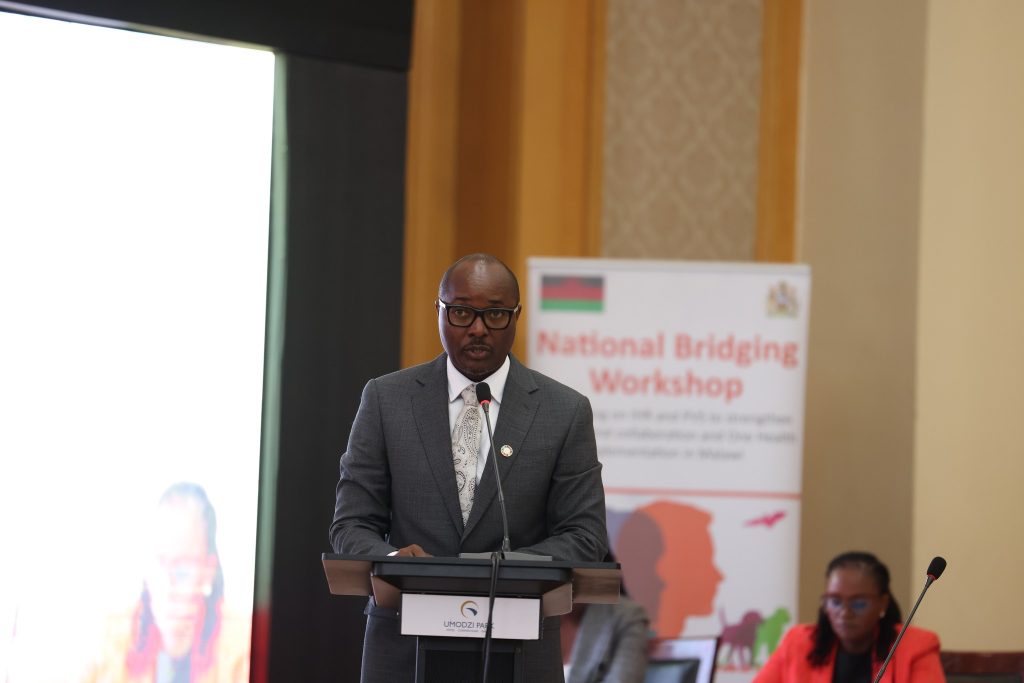
    19-09-2024, Mponela, Dowa District, Malawi – Dr Mwale [front-left] and ToT 4th Session team.

    The Public Health Institute of Malawi (PHIM) has recently been conducting sessions of a critical Training of Trainers (ToT) workshop on Mpox countrywide. The Fourth session of the Mpox ToT took place in Mponela, Dowa District from 19th – 20th of Sepetember, 2024. Dr. Annie Chauma Mwale, Deputy Director for PHIM drew attention on, as she made opening remarks, that the exercise aims to strengthen the HCW capacity on districts preparedness for Mpox, as  South Africa and Democratic Republic of Congo are reporting Mpox cases.

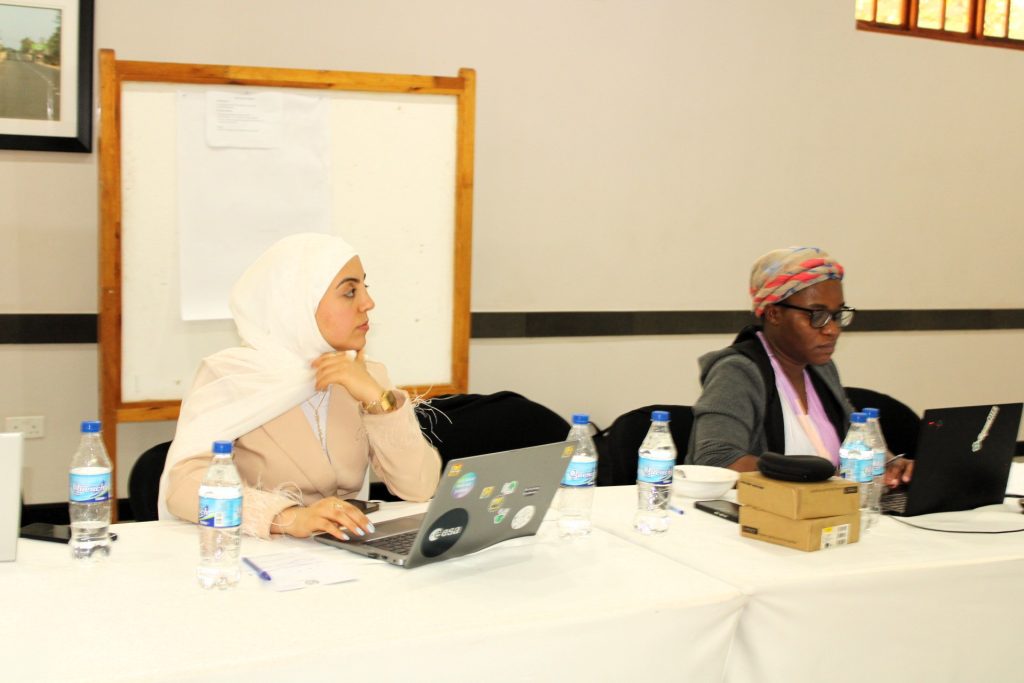
    Mpox ToT 4th Sessions participants.

    This initiative aimed to equip healthcare workers [Clinicians, IPC Officers, HPOs, IDSR Coordinators, DEHOs, Pharmacists, Dermatologists, HIV Officers, Point of Entry Officers and Laboratory Officers] from Ntchisi, Kasungu, Rumphi, Likoma, Nkhotakota, Salima with the essential knowledge and skills to effectively manage and prevent the spread of the Mpox virus.

    Facilitation in process by Dr. Nyembezi on Mpox Treatment.

    The ToT program covered a wide range of topics like Mpox epidemiology and transmission: Understanding the nature and spread of the virus. Clinical presentation and diagnosis: Recognizing the signs and symptoms of Mpox. Case Management and treatment: Implementing appropriate care and treatment strategies. Public health response: Coordinating prevention and control measures, and many more.

    By training healthcare workers as trainers, PHIM is empowering the Healthacare workers in the districts to cascade their knowledge and skills to a wider network of frontline health workers, ensuring a more comprehensive response to the Mpox outbreak. The Mpox ToT workshop is a significant step towards strengthening capacity to combat the virus and protect public health of the Republic of Malawi.

  • RVF Situation in Malawi.

    RVF Outbreak Situation Report & Guidance | Public Health Institute of Malawi
    Official Update • Published 1 June 2026

    Rift Valley Fever in Malawi: Situation Report & Emergency Public Health Guidance

    An active outbreak of Rift Valley Fever confirmed in Chiradzulu and Mulanje districts raises critical warnings regarding livestock losses, direct zoonotic risks, and essential preventative guidelines.

    Date Issued

    June 1, 2026

    Read Time

    7 Minutes

    Classification

    One Health Zoonoses

    Primary Hotspot

    Blantyre ADD

    Situation Data

    Impacted Districts

    2

    Active Surveillance

    Livestock Deaths

    29

    Confirmed fatalities

    Animals Currently Sick

    287

    Under Observation

    Abortion Storms

    81

    Primary Warning Sign

    Susceptible Population

    183,000+

    In At-Risk Zones

    Epidemiological Profile: What is Rift Valley Fever?

    Rift Valley Fever (RVF) is a highly critical, mosquito-borne viral zoonosis that affects both animals and humans. It is caused by the Rift Valley Fever virus (RVFV), classified as a member of the Phenuiviridae family (genus Phlebovirus). First recognized in 1931 during veterinary investigations in Kenya’s Rift Valley, the virus is highly endemic across East, West and Southern Africa.

    In livestock herds, particularly cattle, sheep, goats, and camels, RVF manifests as severe epidemics characterized by “abortion storms”—the sudden miscarriage of up to 100% of pregnant animals in a herd—alongside extreme mortality rates in newborn livestock. In adult animals, symptoms can remain mild but cause profound reproductive and physical damage.

    Human Vector Vector Transmission Insight

    While mosquitoes (primarily Aedes and Culex species) are the environmental vectors that maintain the transmission cycle, the overwhelming majority of human infections are caused by direct physical exposure to the blood, fluids, or organs of infected animals during slaughtering, veterinary procedures, or birthing.

    Interactive Cycle Diagram (Click Phases)

    Phase 1: Persistent Vector Reservoir. Aedes mosquitoes act as both vectors and reservoirs. Their eggs are capable of surviving dry periods for several years. When heavy rain causes localized flooding, the infected eggs hatch, establishing immediate viral circulation in local areas.

    Official Outbreak Response Timeline

    The epidemiological curve of the 2026 outbreak in the Southern Region of Malawi is mapped out below. Active clinical surveillance remains underway across the Blantyre Agricultural Development Division (ADD).

    Early May 2026

    Initial Clinical Alerts

    Smallholder dairy and beef cattle farmers in the **Thumbwe Extension Planning Area (EPA)** of Chiradzulu begin reporting highly elevated rates of cattle deaths and localized abortion storms in pregnant cows.

    8 May 2026

    Official Lab Confirmation

    The Ministry of Agriculture, Irrigation and Water Development officially confirms a localized outbreak of Rift Valley Fever in herds in both Chiradzulu and Mulanje districts.

    13 May 2026

    Statutory Control Orders

    Pursuant to powers under the Control and Diseases of Animals Act, authorities announce livestock slaughter bans, hold livestock market permits, and prohibit veterinary post-mortems of suspect cases.

    Late May 2026

    Goat Transmission Confirmed

    Surveillance teams confirm localized virus transmission to small ruminants (goats), with at least 3 goat mortalities verified. Cross-departmental One Health sensitisations are launched.

    June 2026 (Present)

    Current Status: Containment Active

    Joint taskforces involving Agriculture, Police, and Human Health actors maintain active quarantines. Zero human infections have been confirmed to date due to strict intervention.

    Vulnerability Analysis: Why Malawi?

    Rift Valley Fever is not entirely new to Malawi. Cross-sectional seroprevalence studies completed between 2020 and 2022 by joint Malawian and international veterinary teams confirmed that RVFV was already silently circulating across multiple ecological zones.

    Epidemiological assessments published in peer-reviewed science highlighted specific factors driving high vulnerability in our local communities:

    • Rainfall Thresholds: Districts receiving greater than 1,000 mm of annual rainfall are highly prone to seasonal vector populations. Water pooling creates ideal breeding grounds for both Aedes and Culex vector species.
    • Mixed-Herd Composition: The presence of mixed cattle, goat, and sheep herds dramatically spikes the vulnerability of virus spread, exhibiting transmission odds up to 10 times higher than single-species grazing.
    • Substantial Knowledge Gap: A detailed Knowledge, Attitudes, and Practices (KAP) survey spanning eight rural districts in Malawi demonstrated that only 8.25% of livestock farmers had sufficient awareness about RVF transmission, symptoms, and self-protection models.

    Seasonal Peak Warning: The transition period between May and July, which coincides with the conclusion of our long wet season, is identified as the prime seasonal peak for RVF vectors. Vector numbers rise substantially along wetland catchments and dambos.

    Official Toll-Free Hotline

    Report Suspected RVF

    If you observe cattle or goats experiencing high fever, sudden miscarriages (abortion storms), or unusual weakness, immediately notify clinical officers.

    National Health Hotline

    Dial 547 (Toll-Free)

    Government Mandates

    Statutory Directives & Interventions

    The Government of Malawi has mobilized a joint agricultural-health quarantine network. The following actions have immediate statutory force under the Control and Diseases of Animals Act.

    Livestock Slaughter Bans

    Complete ban on informal and formal slaughter of susceptible species (cows, goats, sheep) in Chiradzulu and Mulanje. This avoids dangerous exposure to highly infectious animal blood.

    Animal Movement Restrictions

    Suspension of all movement permits for livestock originating from the Blantyre ADD catchment. Inter-district shipping of hides, raw meat, and manure is heavily restricted.

    One Health Field Education

    Joint veterinary, medical, and community police units are deployed across markets, EPAs, and school assemblies to build local awareness of safe milk pasteurization and self-protective gear.

    Surveillance & Diagnosis

    Ongoing blood serum collection and molecular analyses of suspected cases. PHIM laboratories are working with regional centers to secure robust diagnostic assets.

    How to Protect Yourself and Your Herd

    Direct preventative measures for communities and individual dairy farmers

    1

    Strictly Avoid Sick or Dead Carcasses

    Do not touch, open, or attempt to butcher carcasses of cattle or goats that have died under unexplained circumstances. Inform veterinary agents immediately.

    2

    Pasteurize or Boil All Milk

    Never consume raw (unboiled) milk from livestock. Boiling kills the active Rift Valley Fever virus instantly and eliminates contamination hazards.

    3

    Vector Control & Insecticides

    Use topical mosquito repellents, sleep under long-lasting insecticide-treated bed nets, and dress in light-colored, long-sleeved clothing to block mosquito bites.

    4

    Secure Veterinary Protective Equipment

    Farmers assisting with livestock birthing or dealing with miscarriages must wear protective clothing, rubber gloves, and simple face masks to shield against aerosol droplets.

  • Ebola Situation in Malawi

    Ebola Situation in Malawi

    PHIM Operational Briefing: The Smoldering Frontier
    EBOLA SITUATION IN MALAWI

    PHIMs Preparedness
    Partners Converge

    As intense outbreaks affect transport routes to our north, Malawi maintains a silent but critical window for prevention. Stopping local spread is our most effective strategy.

    Briefing Contributors

    Contributor Annie Kaliati
    Lead Contributor Mtisunge Yelewa
    Contributor Shaibu Safaile
    Briefing Released: June 2026

    Malawi Cases

    0

    Under Active Vigilance

    DRC & Uganda Cases

    1,200+

    Rapid Corridor Growth

    Regional Deaths

    264+

    Zaire Ebolavirus Severity

    Surveillance Level

    Level 3

    Pre-Resurgence Tier

    Briefing Context

    Diseases do not spread at random. They travel along busy roads, lakeshore routes, and trade pathways. While nearby countries like the Democratic Republic of the Congo (DRC) and Uganda are facing serious outbreaks of Ebola, Malawi currently has zero active cases.

    However, we cannot be relaxed. This quiet period is our only window of opportunity. We must prepare our communities, watch our borders, and stop transmission pathways before the virus can establish itself in our towns.

    THE NO-VACCINE REALITY

    Global vaccine supplies are very low. High-burden areas are receiving them first. Malawi will not get vaccines for general use anytime soon. Therefore, we must focus entirely on basic protective actions: hygiene, quick detection, and keeping sick people away from others.

    To keep our communities safe, we must find contacts immediately whenever a case is suspected. This is called Ring Surveillance. It helps us monitor anyone who has been close to an infected person within a strict 21-day window.

    Additionally, isolation must happen locally. Moving sick patients over long distances to central hospitals is dangerous. It risks spreading the virus along the way and puts unnecessary pressure on main healthcare facilities.

    THE DIAGNOSTIC LAG

    Testing currently takes too long. On average, it takes 12 days to send a sample from a local clinic and get a confirmation back. During this delay, sick individuals often return home, exposing others. We must decentralize sample collection to stop silent transmission.

    A clear leadership structure is essential during an epidemic response. When local containment efforts fail, it is usually because of confusion about who is in charge.

    To address this, the Incident Management System is coordinating animal health, laboratory, and clinical teams under a single, unified framework. We are giving local District Health Officers immediate power to act without waiting for permission from the capital.

    THE ACCOUNTABILITY GAP

    Central plans from Lilongwe will not work if local health offices do not have fuel, diagnostic tools, and personal protective equipment (PPE). We must connect national resources directly to local needs to ensure our frontline workers can do their jobs.

    We must use this quiet period to prepare. The threat along our borders is highly active, and imported cases are likely. Our success will be judged by how quickly our teams contain new arrivals and break the chain of transmission.

    “This is a harder test, it is also the right one.”

    By planning for a scenario with zero vaccines, shrinking diagnostic delays, and empowering our local districts, Malawi can build a strong and resilient defense against outbreaks.

    Immediate Public Reporting Hotline

    Reporting Suspected Symptoms

    Immediate isolation and reporting within 24 hours of fever and unexplained rash is legally mandated for all border corridors.

    Toll-Free Helpline 929 Public Health Emergency Center