PHIM Responsive Header

Tag: E&Surveillance

  • Ebola Situation in Malawi

    Ebola Situation in Malawi

    PHIM Operational Briefing: The Smoldering Frontier
    EBOLA SITUATION IN MALAWI

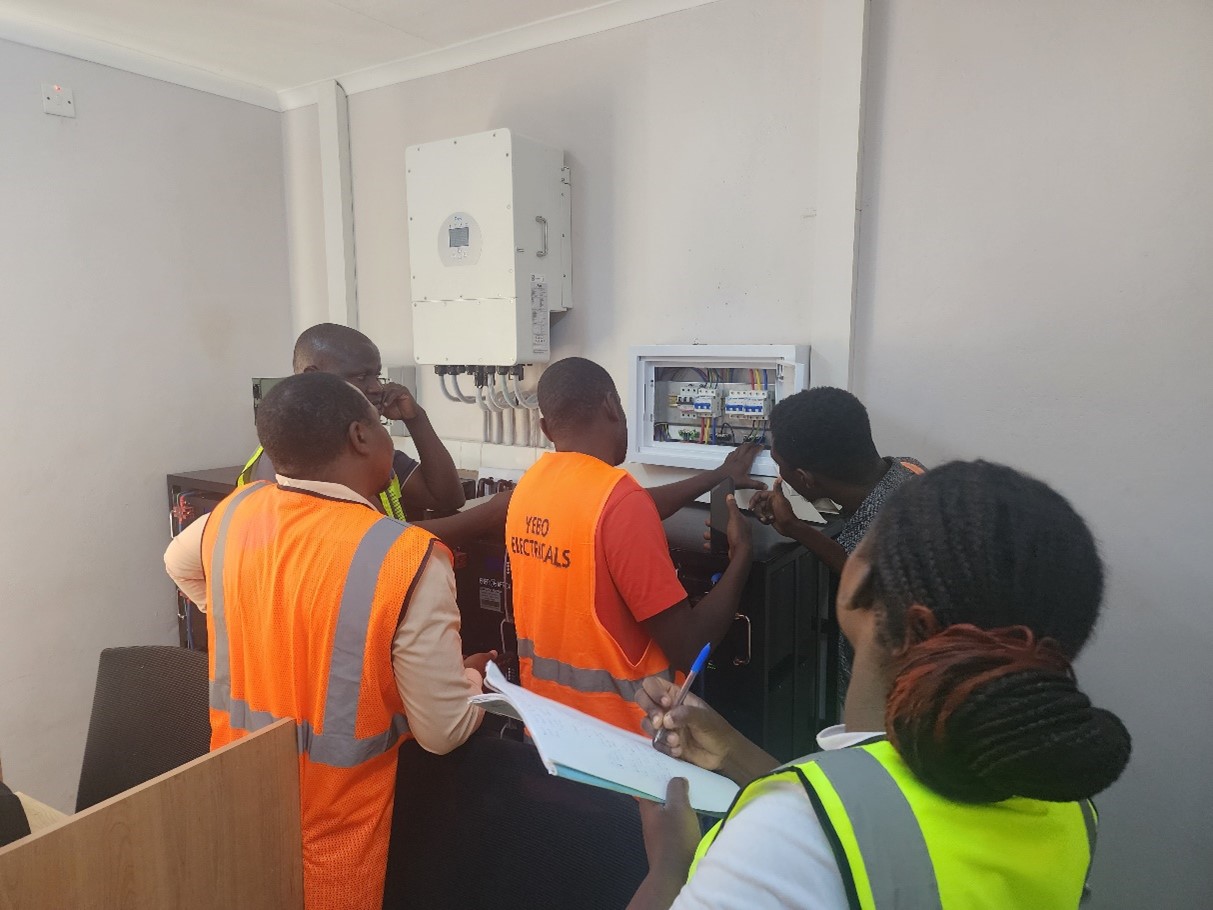
    PHIMs Preparedness
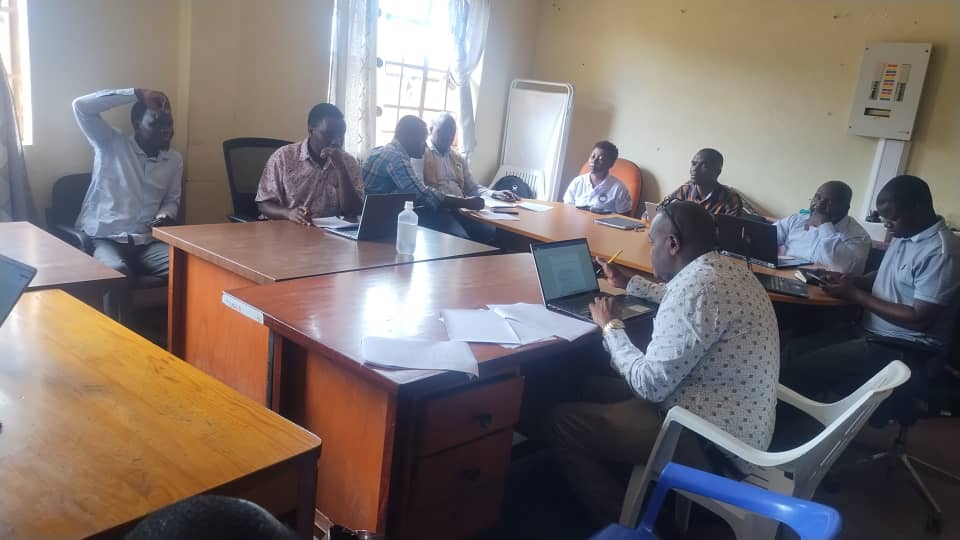
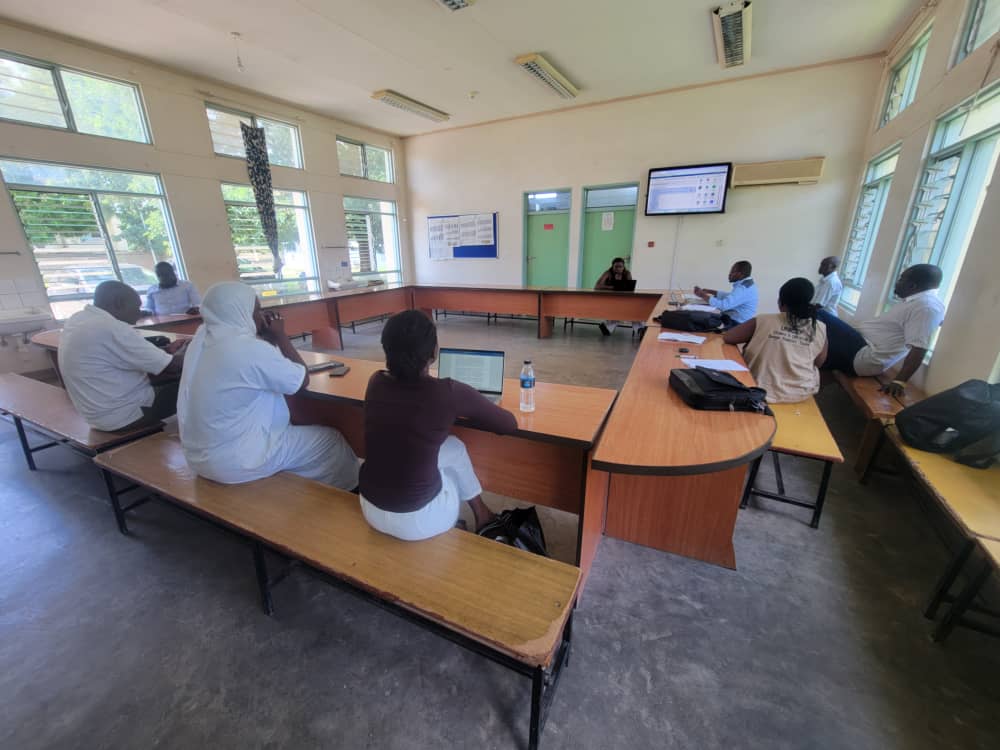
    Partners Converge

    As intense outbreaks affect transport routes to our north, Malawi maintains a silent but critical window for prevention. Stopping local spread is our most effective strategy.

    Briefing Contributors

    Contributor Annie Kaliati
    Lead Contributor Mtisunge Yelewa
    Contributor Shaibu Safaile
    Briefing Released: June 2026

    Malawi Cases

    0

    Under Active Vigilance

    DRC & Uganda Cases

    1,200+

    Rapid Corridor Growth

    Regional Deaths

    264+

    Zaire Ebolavirus Severity

    Surveillance Level

    Level 3

    Pre-Resurgence Tier

    Briefing Context

    Diseases do not spread at random. They travel along busy roads, lakeshore routes, and trade pathways. While nearby countries like the Democratic Republic of the Congo (DRC) and Uganda are facing serious outbreaks of Ebola, Malawi currently has zero active cases.

    However, we cannot be relaxed. This quiet period is our only window of opportunity. We must prepare our communities, watch our borders, and stop transmission pathways before the virus can establish itself in our towns.

    THE NO-VACCINE REALITY

    Global vaccine supplies are very low. High-burden areas are receiving them first. Malawi will not get vaccines for general use anytime soon. Therefore, we must focus entirely on basic protective actions: hygiene, quick detection, and keeping sick people away from others.

    To keep our communities safe, we must find contacts immediately whenever a case is suspected. This is called Ring Surveillance. It helps us monitor anyone who has been close to an infected person within a strict 21-day window.

    Additionally, isolation must happen locally. Moving sick patients over long distances to central hospitals is dangerous. It risks spreading the virus along the way and puts unnecessary pressure on main healthcare facilities.

    THE DIAGNOSTIC LAG

    Testing currently takes too long. On average, it takes 12 days to send a sample from a local clinic and get a confirmation back. During this delay, sick individuals often return home, exposing others. We must decentralize sample collection to stop silent transmission.

    A clear leadership structure is essential during an epidemic response. When local containment efforts fail, it is usually because of confusion about who is in charge.

    To address this, the Incident Management System is coordinating animal health, laboratory, and clinical teams under a single, unified framework. We are giving local District Health Officers immediate power to act without waiting for permission from the capital.

    THE ACCOUNTABILITY GAP

    Central plans from Lilongwe will not work if local health offices do not have fuel, diagnostic tools, and personal protective equipment (PPE). We must connect national resources directly to local needs to ensure our frontline workers can do their jobs.

    We must use this quiet period to prepare. The threat along our borders is highly active, and imported cases are likely. Our success will be judged by how quickly our teams contain new arrivals and break the chain of transmission.

    “This is a harder test, it is also the right one.”

    By planning for a scenario with zero vaccines, shrinking diagnostic delays, and empowering our local districts, Malawi can build a strong and resilient defense against outbreaks.

    Immediate Public Reporting Hotline

    Reporting Suspected Symptoms

    Immediate isolation and reporting within 24 hours of fever and unexplained rash is legally mandated for all border corridors.

    Toll-Free Helpline 929 Public Health Emergency Center
  • Hazards

    PHIM – Multi-Hazard Risk Assessment Dashboard
    P
    Public Health Institute

    PHIM Multi-Hazard Risk Registry

    National Risk Assessment Frame

    Multi-Hazard Risk Registry Dashboard

    This analytical gateway maps structural, environmental, and biological hazards impacting our target zones. Synchronized directly with the institutional data reference file Hazards.docx.

    Assessment Model

    Total Evaluated

    29

    Hazards registered

    Very High Risk

    2

    Immediate mitigation

    High Risk

    11

    Critical focus points

    Moderate Risk

    12

    Routine surveillance

    Low Risk

    4

    Under monitoring

    National Hazards Matrix

    Real-time surveillance & analytical filter interface

    Severity Filters:
    S/N
    Specific Hazard
    Risk Level

    Hazard Registry Investigator

    Click on any hazard row in the table to display strategic mitigation measures, target protocols, and regulatory framework variables pulled from Hazards.docx.

    Framework Methodology

    How PHIM calculates and determines threat classifications

    Risk Matrix Calculations

    The Multi-hazard risk assessment tracks hazards using an integrated threat vector formula mapping global risk patterns to domestic geographical systems.

    Our systematic scoring correlates immediate geographical vulnerabilities against current structural containment levels.

    Surveillance Standards

    Each category in our ledger operates under strict protocols established in the master reference document Hazards.docx.

    These priorities dictate response times, resource mobilization scales, and inter-agency alert structures during crisis events.

    Urgent Threat Alert

    Very High and High risk factors call for immediate regional focus and active health system alerts. Any active change in environmental surveillance scores triggers auto-notification systems nationwide.

    Primary Reference: Institutional Record: Hazards.docx
    P
    Public Health Institute of Malawi © 2026. All Rights Reserved.
    Ref: Hazards.docx | Security Rating: Classified Institutional Data