PHIM Responsive Header

Tag: Lab

  • Africa CDC – Pathogen Genomics Initiative Technical Support Visit for the CholGEN Project at Public Health Institute of Malawi (PHIM) on 8 – 9 August 2024.

    Africa CDC – Pathogen Genomics Initiative Technical Support Visit for the CholGEN Project at Public Health Institute of Malawi (PHIM) on 8 – 9 August 2024.

    The Africa Centre of Disease and Control (Africa CDC) Pathogen Genomics Initiative ( PGI) is implementing the Cholera Genomics (CholGEN) project. CholGen project is a single consortium with a steering committee composed of John Hopkins University (JHU), Africa CDC, and the Bill & Melinda Gates Foundation (BMGF).


    This collaboration between JHU and the Africa CDC aims to leverage existing laboratories and epidemiologists in seven African countries (Nigeria, Democratic Republic of the Congo, Mozambique, Cameroon, Malawi, Zambia and Uganda) to utilize Cholera genomic data for public health
    decision-making and improve the understanding of the molecular epidemiology of cholera in
    Africa.

    CholGen project mainly has three objectives; to understand the molecular epidemiology of
    cholera in Malawi to inform decision-making, determine key drivers of cholera and other
    waterborne diseases transmission in Malawi and strengthen cross-border cholera surveillance
    including data sharing.
    NPHL, Lilongwe-Malawi – August 8 and 9th, 2024 – The Africa CDC and the Africa Public Health Foundation conducted a technical support visit to PHIM to identify the progress made and challenges
    faced by the CholGEN project.

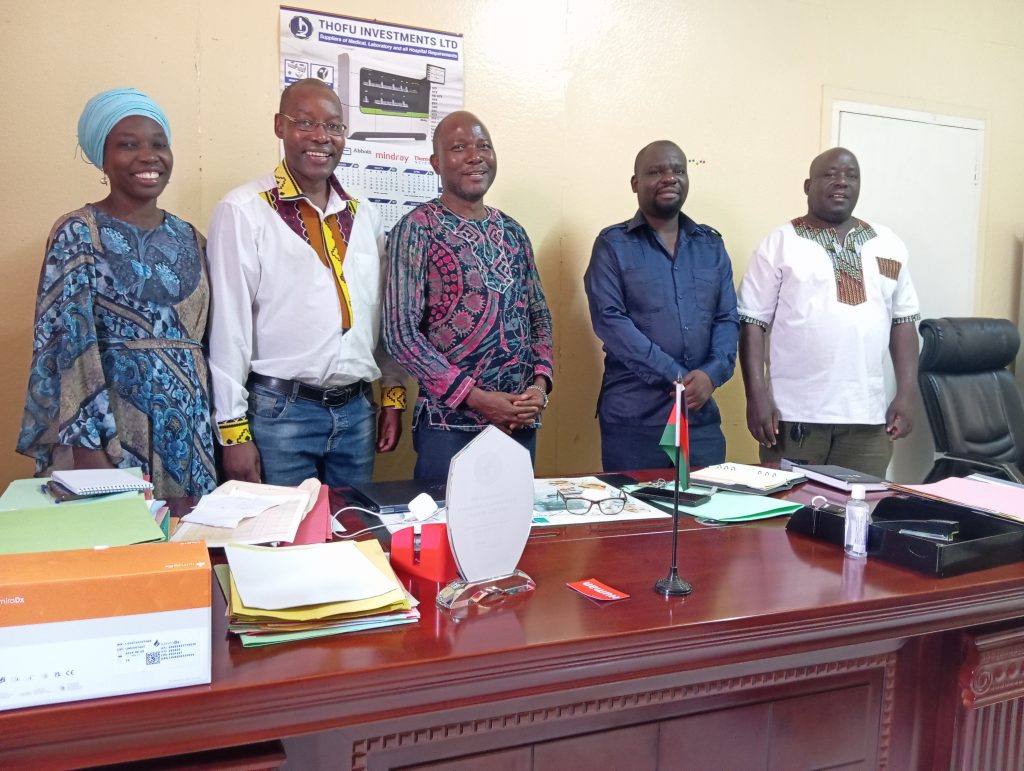
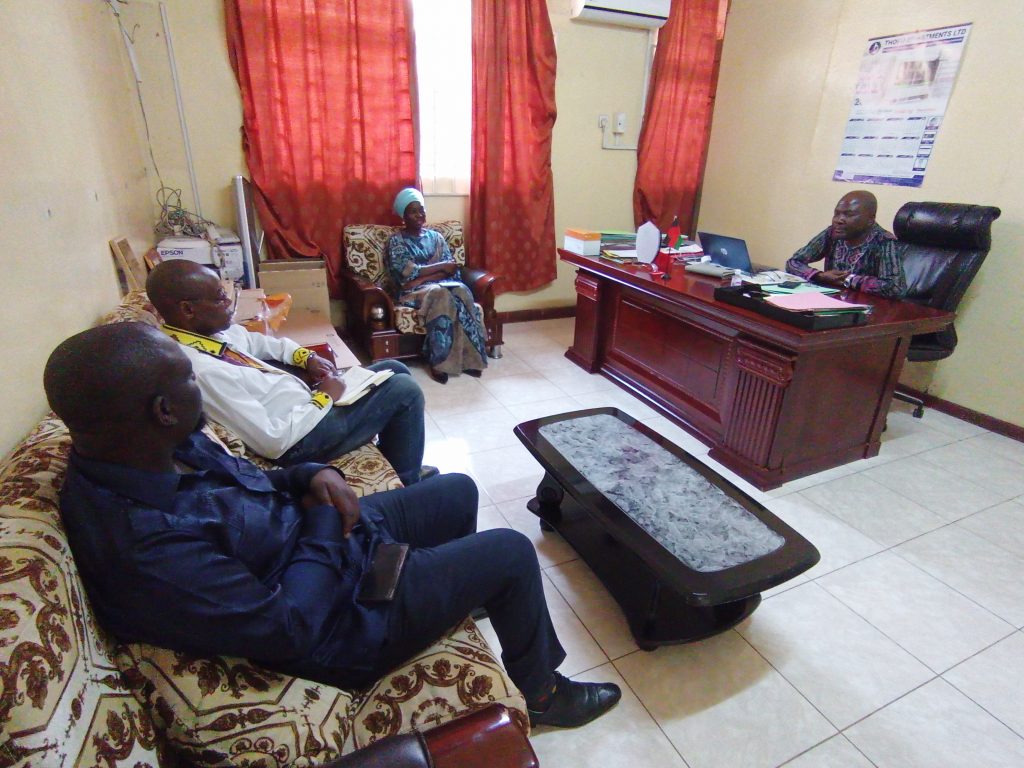
    The team meet the Director and two Deputy Directors of PHIM responsible for
    Laboratory and Research. The Deputy Director, on his remarks, appreciated the support Africa
    CDC is rendering to Malawi in terms of trainings, equipment and supplies through the
    CholGen project. He promised that NPHRL will ensure that genomics in Malawi is growing
    to the requirement of giving answers needed to the health problems. He lamented “the lack of
    space for a genomics laboratory as the major problem affecting the growth of genomics”, he emphasized that “It is his dream to see PHIM have a state-of-the-art genomics laboratory that meets international standards and, can accommodate high throughput equipment.”
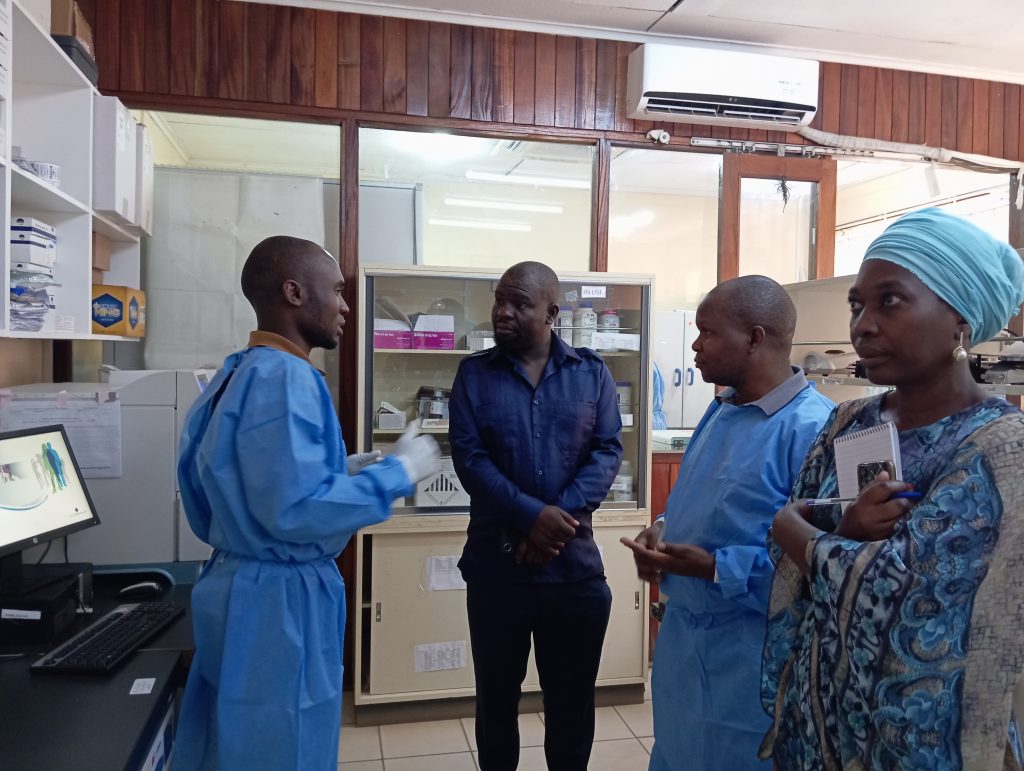
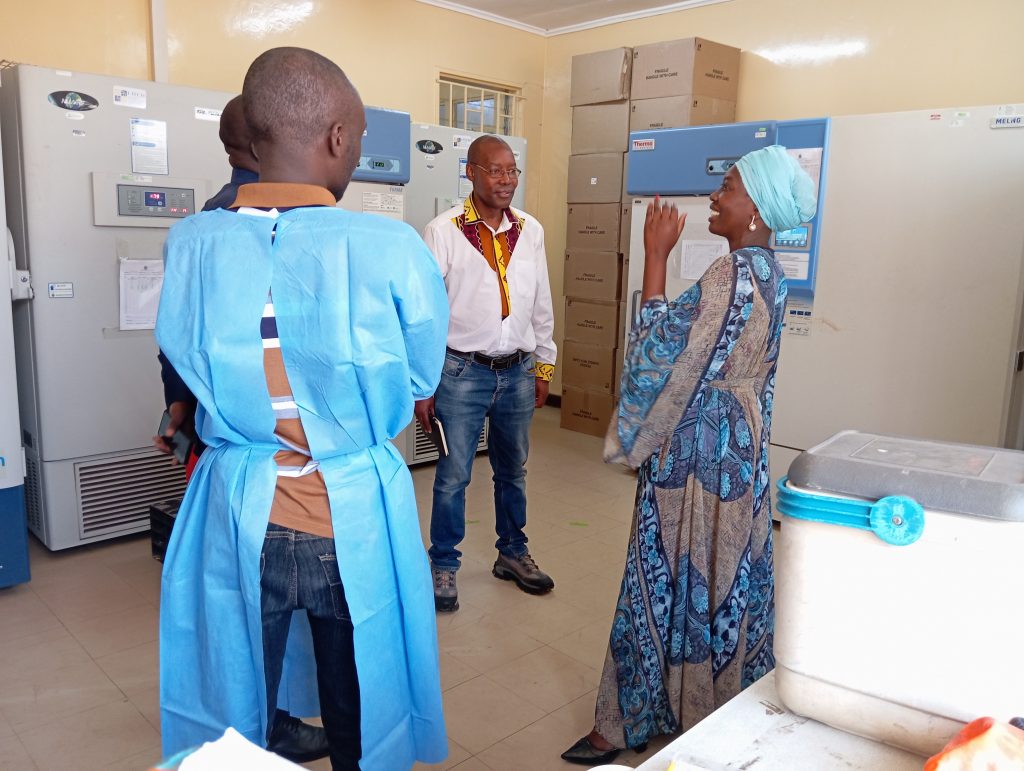
    Dr. Mirriam Nyenje: in blue, – perhaps appreciating genomics lab apparatus.

    Dr. Mirriam Nyenje the head of the National Genomics Sequencing Laboratory (NGSRL) in
    Malawi also added to the lamentation for the need for space that resulted in other machines
    allocated to other departments outside the NGSRL. She further thanked the Africa CDC for
    the support and gave a promise that she would work hard to see the NGSRL become a centre
    of excellence despite the lack of space. She cited Tuberculosis genomics as a low-hanging fruit to be the centre of excellence then Malaria and other pathogens.
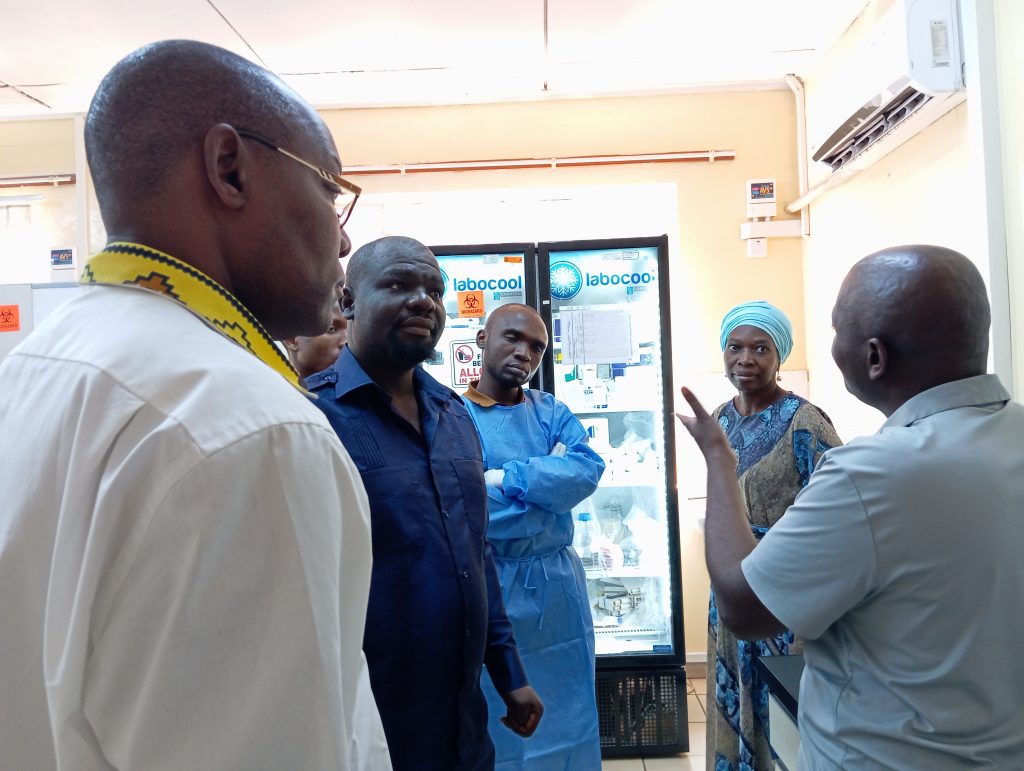
    Mr. Francis Chikuse, leader of the delegation added that the PGI is also looking into Malaria genomics though it is not easy and cheap, but it is very good for surveillance. He pointed to
    talking with PHIM to discuss the possibility of having genomics for Malaria which is crucial
    for the African region.

    He said “The spectrum of human pathogens and the infectious diseases they cause is continuously
    changing through evolution, selection and changes in the way human populations interact
    with their environment and each other, therefore there is a need to understand molecular
    epidemiology surveillance of cholera strains circulating in the country. These will include
    sequencing of vibrio strains to study the virulence genes, the factors that support its survival
    in the environment in hot spots and phylogenetic inferences.”
    Cholera and other diseases know no borders as such pathogens can be transmitted across
    geographical borders through movements of humans, animals and goods during an outbreak. Malawi, Mozambique, Zambia and Tanzania have some level of cross-border agreements.
    This project aims to operationalize/ strengthen these agreements.
    There is a need to strengthen border surveillance systems with its neighbours and develop a Memorandum of Understanding (MOU) on data and sample sharing. There is also a need to build the capacity of Port of Entry staff on specialized training on surveillance of public health pathogens
    knowledge sharing and regional coordination.

  • Mentorship and Supervision of Facilities on Pathogen Genomic Surveillance of Public Health Importance

    Mentorship and Supervision of Facilities on Pathogen Genomic Surveillance of Public Health Importance

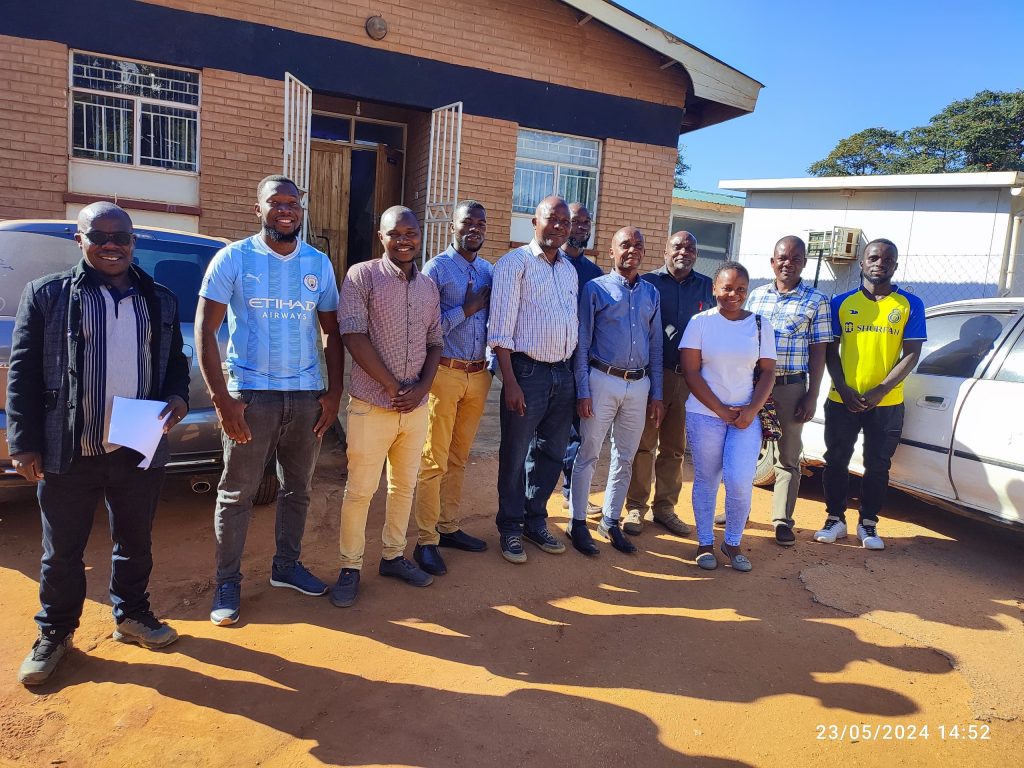
    The team, Rumphi District Hospital staff, and the Deputy Director responsible for the NPHL, Mr Joseph Bitilinyu Bangoh.

    The Ministry of Health, through the Public Health Institute of Malawi (PHIM), has an established National Public Health Laboratory (NPHL). One of the crucial functions of NPHL is to conduct surveillance of various pathogens that pose a significant risk to public health. This vital task involves submitting isolates collected from laboratories across Malawi to the National Microbiology Laboratory, a section of NPHL, for confirmation, which are then shared with the Genomics Laboratory for sequencing and bioinformatics to determine the phylogeny, violence factors and resistance genes to known antimicrobials and diagnostic tests. The findings, crucial for public health decision-making, are disseminated to a wide range of public health experts and stakeholders, underscoring the importance of this surveillance process.

    The teams received a warm welcome from the teams at Atupere Community Hospital in Karonga.

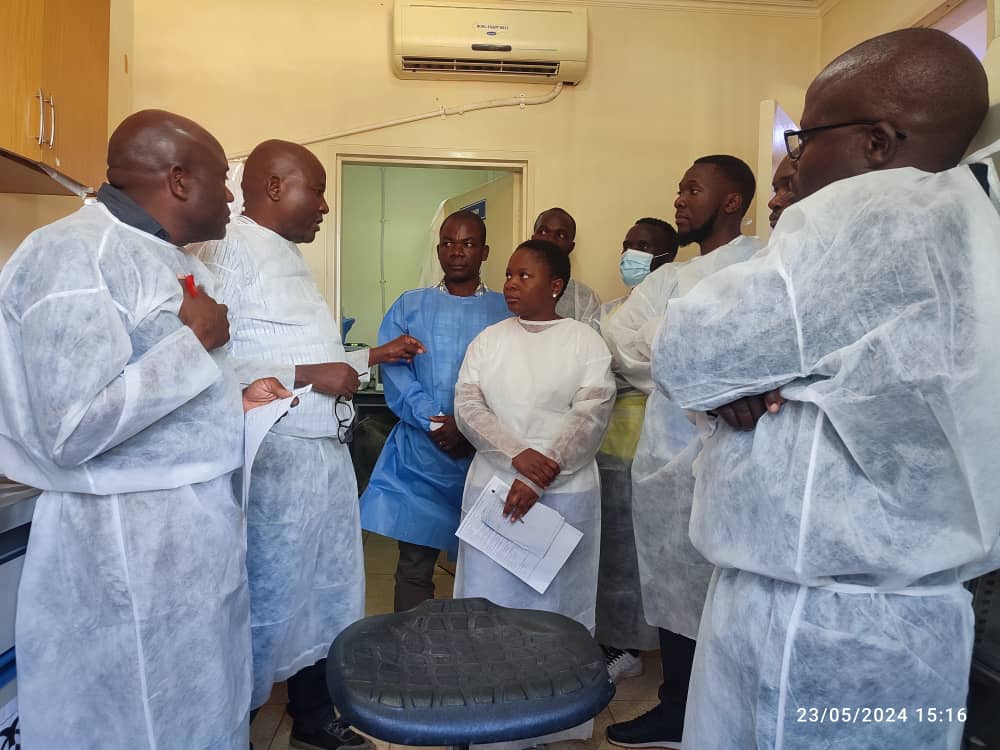
    In an integrative effort, NGSRL and other sections of NPHRL planned to mentor and supervise facilities on genomic sample collection and transportation for various pathogens of public health across Malawi. The team interacted with the laboratory and top hospital staff as a way of sensitisation on genomic surveillance, focusing on optimising sample collection and basic microbiology. The team also discussed the laboratory’s strengths and challenges, particularly in handling samples that require sequencing. The teams collected samples from laboratories that kept isolates that required confirmation and genomics intervention to NPHRL for further analysis.

    The Deputy Director, Mr Joseph Bitilinyu Bangoh, was actively involved in the exercise and tirelessly visited teams across Malawi and, at one point, interacted with staff at Rumphi District Hospital to emphasise the importance of genomics pathogen surveillance. He stressed the need to lobby for more laboratory staff to be deployed to refurbished laboratories in health centres and rural hospitals, with the example of Luzi, Mhuju, which has no laboratory technicians, and Bolero, with only one laboratory technician despite the heavy workload. He gave a tip that this could be through Human Resource Officers to the local government, which District Commissioners have all the powers. He added that if this could happen in Malawi, a cry for laboratorians’ lack of jobs could be minimised and quality work in peripheral laboratories would improve.

  • The Training of Trainers on the Integrated Gene-Xpert Testing Program for Malawi at Dedza Pottery  Lodge

    The Training of Trainers on the Integrated Gene-Xpert Testing Program for Malawi at Dedza Pottery  Lodge

    The Public Health Institute of Malawi (PHIM), a leading institution in healthcare, through the Division of National Public Health Laboratory Services, with financial support from the World Bank, has organised a refresher training with a vital purpose of promoting integrated laboratory testing using the Gene-Xpert.

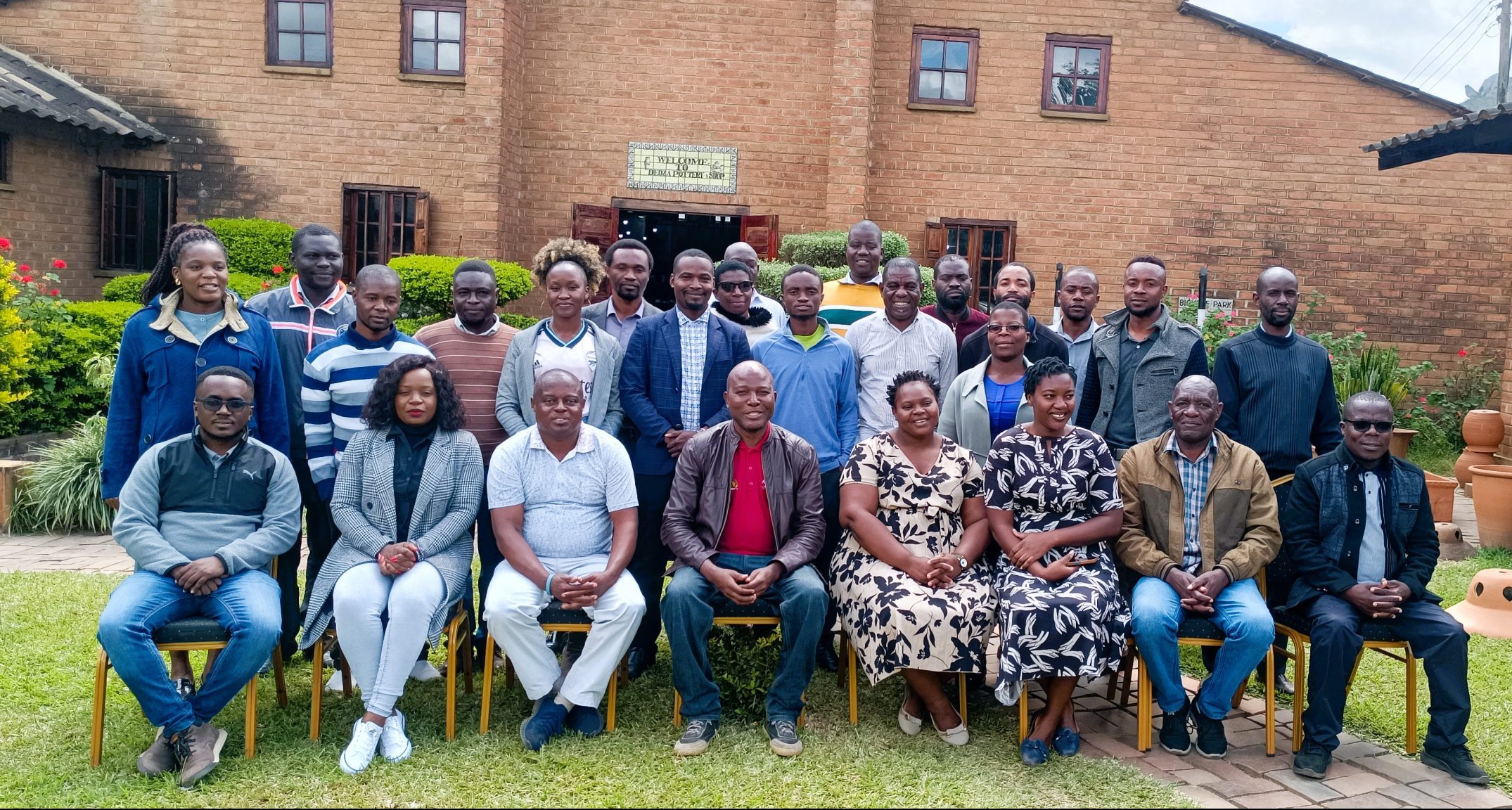
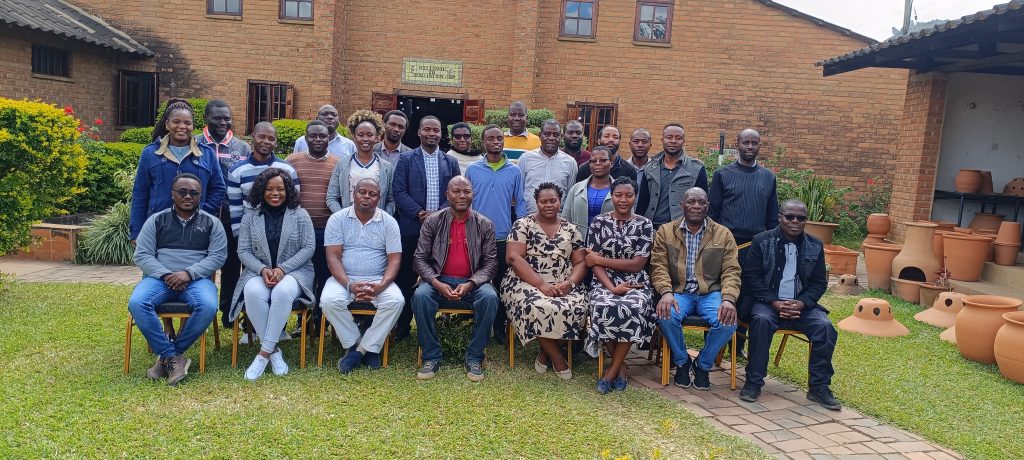
    The training of trainers took place at Dedza Pottery Lodge from the 13th –  17th of May, 2024. The meeting was opened by the Deputy Director of the Public Health Institute of Malawi (PHIM) responsible for the laboratory, Mr Joseph Bitilinyu Bangoh.

    IntegratedvGene-Xpert Trainees attentively listened to opening remarks by the Deputy Director of the Public Health Institute of Malawi (PHIM) responsible for the Laboratory, Mr Jospeh Bitilinyu Bangoh.

    GeneXpert is a PCR machine that amplifies DNA or RNA for viral particles and organisms. In Malawi, the machine was mainly used for the detection of Mycobacterium tuberculosis (MTB) and its associated resistance to Rifampicin and Isoniazid, HIV Viral Load (VL) and Early Infant Diagnostic (EID) and later, with the coming of SARS-CoV 2, the tests were added to the machine to detect viruses.

    It is of late that the machine, with the advancing technology, is now used to detect MTB in children’s stool, following the principle that children could shed MTB in their stool after swallowing the sputum at night. Another platform was added in the detection of Human papillomavirus (HPV) in women for early detection of the virus before advancing to advanced cervical cancer. 

    This detection of multiple human infections shall trigger the laboratory to have several integrated testing activities targeting GeneXPert.

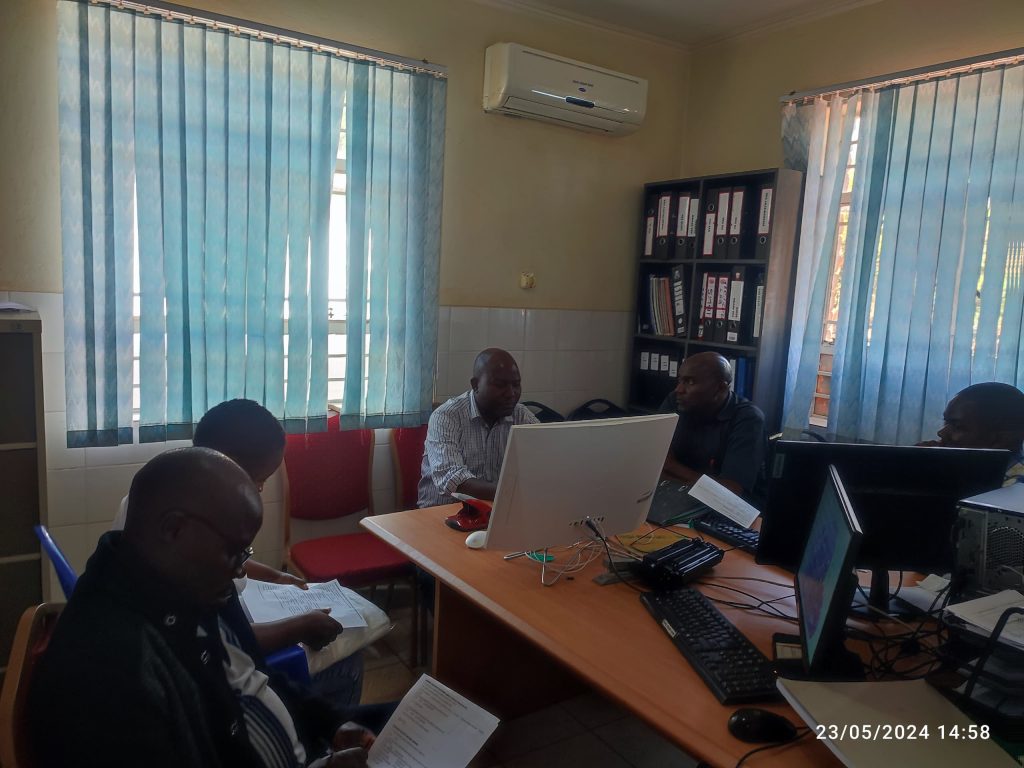
    The trainees getting clarified on a point.