Strengthening national diagnostic and surveillance precision across Malawi. Learn about high-fidelity genome sequencing techniques, advanced data integration protocols, and laboratory quality management systems.
Date & Time
Wed, 10 Jun | 2 PM – 3 PM CAT
Contributors
Happy Abraham Manda
Christopher Misomali
Dr. Mirriam Nyenje
Keynote Presenters
Edwin Chitandale
Medical Laboratory Scientist & QMS Expert QA Coordinator, PHIM
Edwin Chitandale serves as the QA Coordinator at PHIM and acts as a QMS consultant to accreditation, continental, regional, and national bodies. He specializes in implementing, training, and auditing complex standards such as ISO 15189, ISO/IEC 17025, and ISO 35001. A recipient of the Zikomo Award of Health Excellence for his COVID-19 response role and a 2024 World Haemophilia Foundation grant, he is currently pursuing his Master in Laboratory Sciences-Haematology.
Happy Manda
Senior Medical Laboratory Scientist National Public Health Laboratory, PHIM
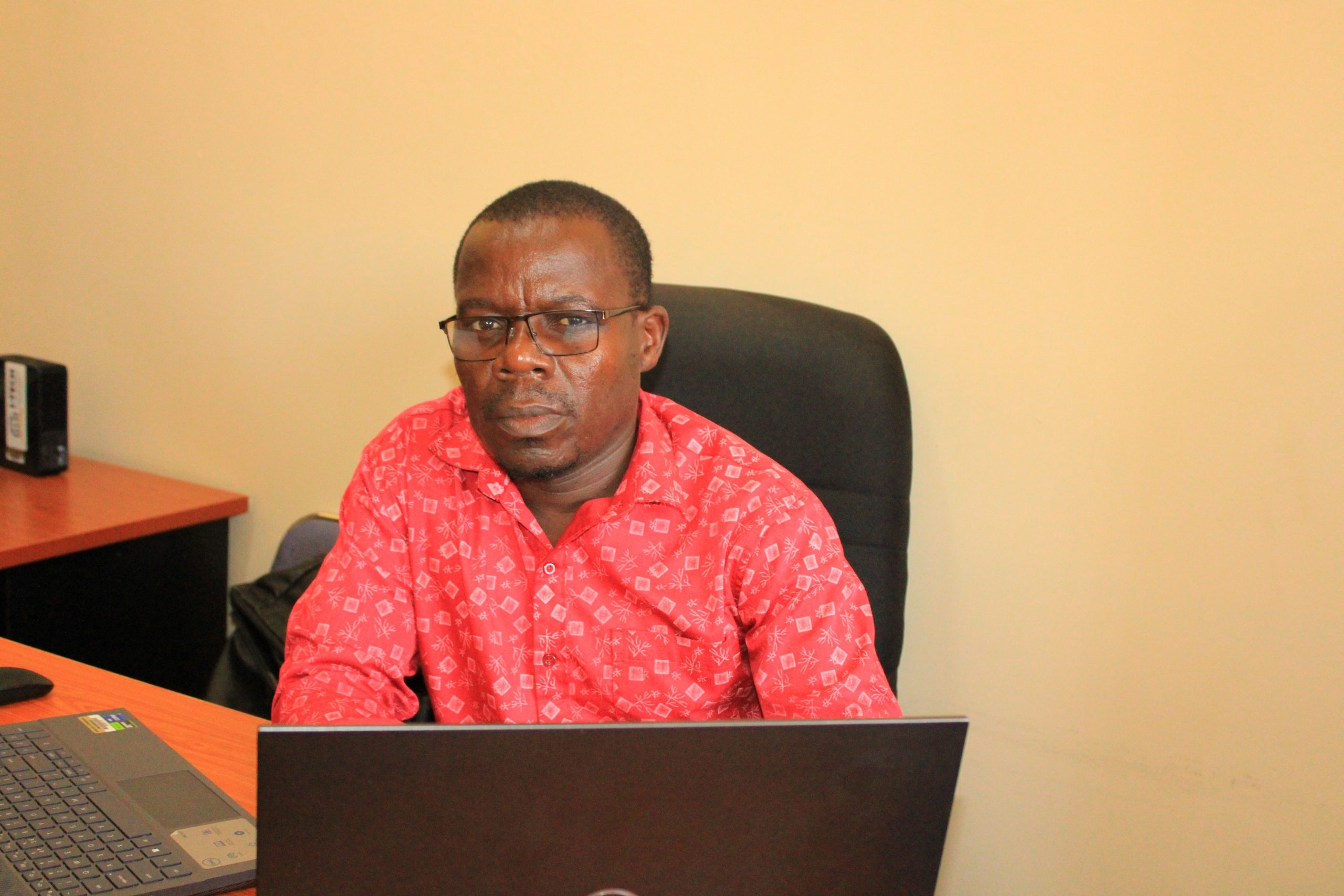
Happy Manda is a Senior Medical Laboratory Scientist at the Public Health Institute of Malawi, stationed at the National Public Health Laboratory. He specializes in molecular biology diagnostic procedures and target gene sequencing workflows. His research interests focus on tracking drug-resistance mutations in Plasmodium falciparum. He acts as a key facilitator for pathogen surveillance training operations across secondary and tertiary healthcare centers in Malawi.
Technical Delivery
Deep dive into lab standards, next-generation malaria genomics data processing, and clinical QMS execution models.
Malaria Gene Mutation Tracking
ISO Standards Audits (15189, 17025)
Statistical Quality Control Validation
Seminar Program
Wednesday, 10th June
02:00 PM
Welcome & Session Overview
Introduction to Pathogen Genomics & PHIM Frameworks
02:10 PM
Malaria Genomic Sequencing
Next-Generation Sequencing and Resistance Mapping: Happy Manda
02:30 PM
QMS & One Health Audit Standards
Implementing ISO Standards (15189, 17025) & Method Validation: Edwin Chitandale
02:50 PM
Interactive Panel Q&A Session
Open Floor: Answering Quality Control & Diagnostic Challenges
Webinar Registration
Join Happy Manda and Edwin Chitandale for this specialized training session.
Research & Resources
Genomics Laboratory Quality Checklist
Check the operational compliance guidelines designed for regional diagnostic centers across Malawi.
Lilongwe, Malawi – May 30th, 2025. by Moses Nyambalo Phiri in collaboration with Happy Abraham Manda and Settie Kanyanda.
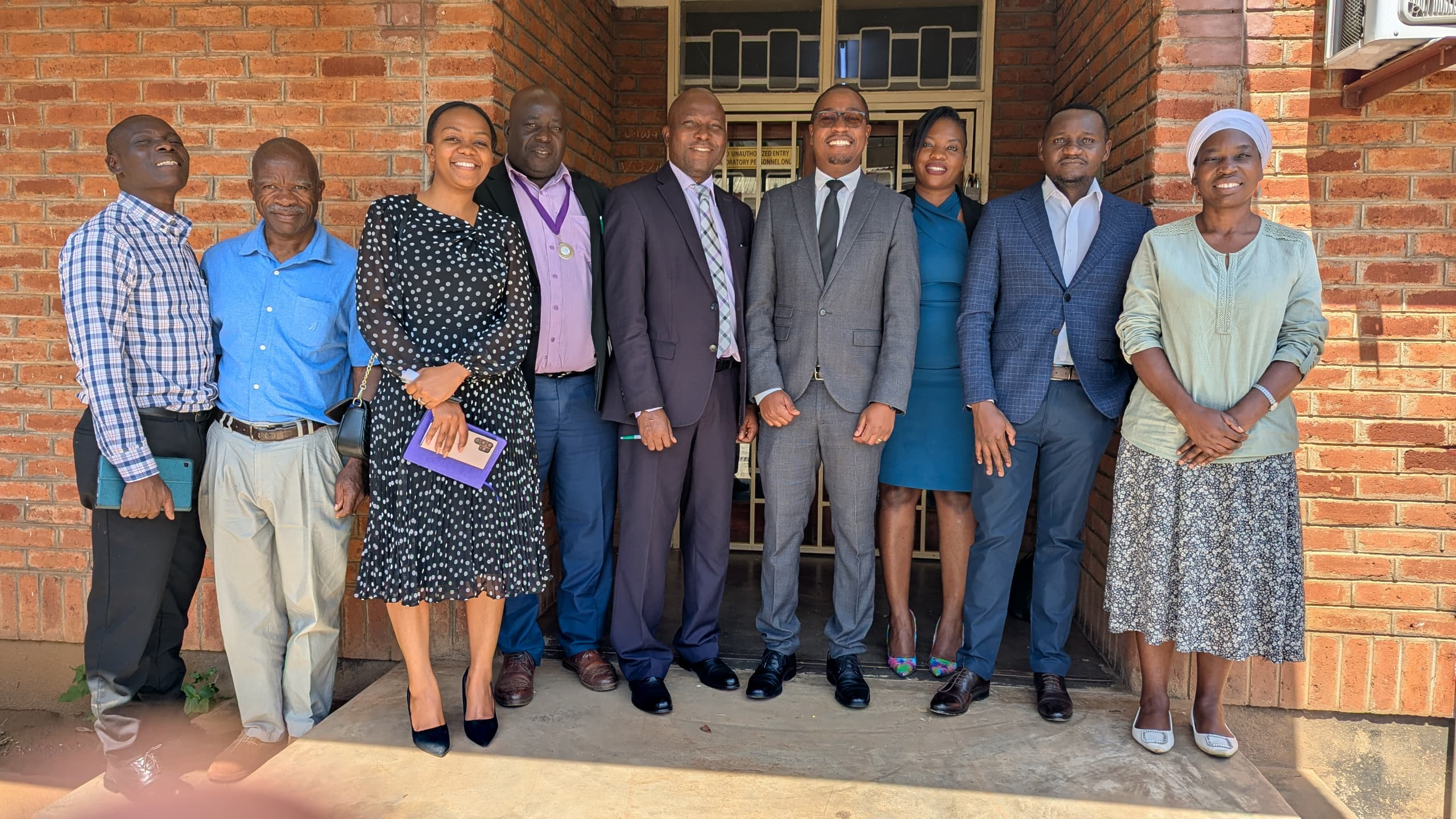
Centre for International Health, Education, and Biosecurity (CIHEB), a locally-led organization established in 2023 as a successor to Maryland Global Initiatives Corporation (MGIC) Malawi, recently briefed the National Public Health Laboratory (NPHL) management on its new initiative: Accelerating Malawi’s PEPFAR Laboratory Logistics and Infrastructure for Quality 2.0 (AMPLIFY 2.0). This project is set to significantly enhance Malawi’s diagnostic and treatment monitoring services, biosafety measures, and overall laboratory capabilities.
The NPHL, a core pillar of the Public Health Institute of Malawi (PHIM), serves as the national reference laboratory, supporting a vast network of laboratories across the country. It comprises specialized subsections, including Genomic Sequencing, Tuberculosis, Parasitology, HIV, Microbiology, Biochemistry, Haematology, Nutrition, and Viral/Influenza. While the NPHL receives support from various partners, including CIHEB, a key challenge highlighted during the meeting was the lack of adequate space for reference laboratories at PHIM. This concern was voiced by Mr. Joseph Bitilinyu Bangoh, who chaired the meeting, and Dr. Mirriam Nyenje, and echoed by Chiefs Henry Limula, Sheinton Kacheche, Mabvuto Chiwaula, and Dorothy Donata Kalata. Chief Dorothy Kalata specifically advocated for support for the Gene Xpert system and urged CIHEB to incorporate these activities into the project plan.
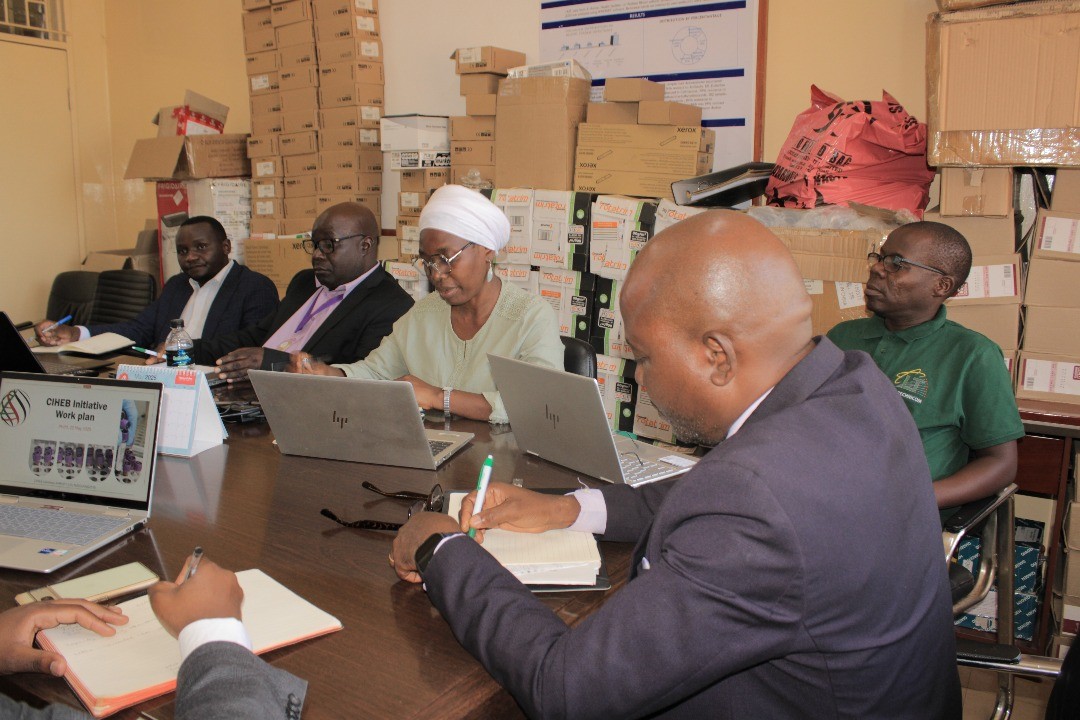
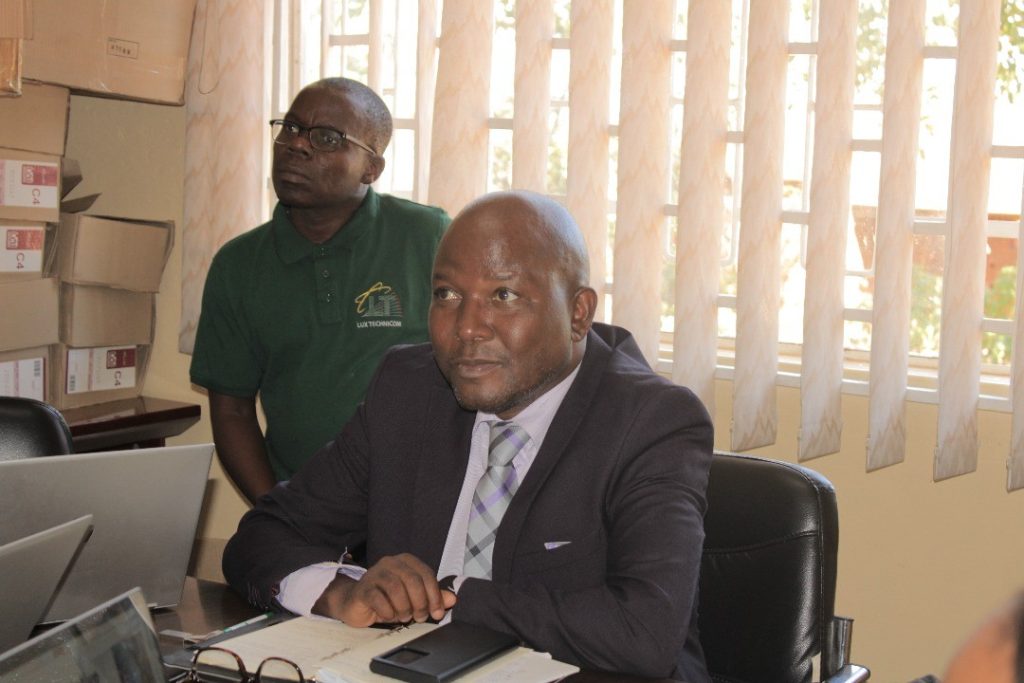
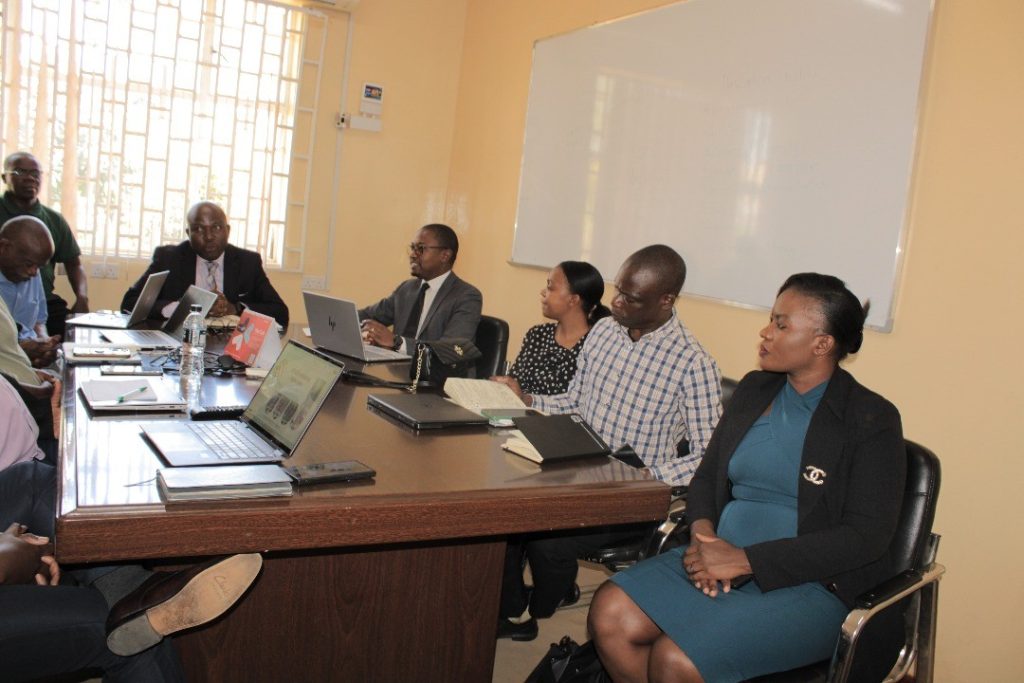
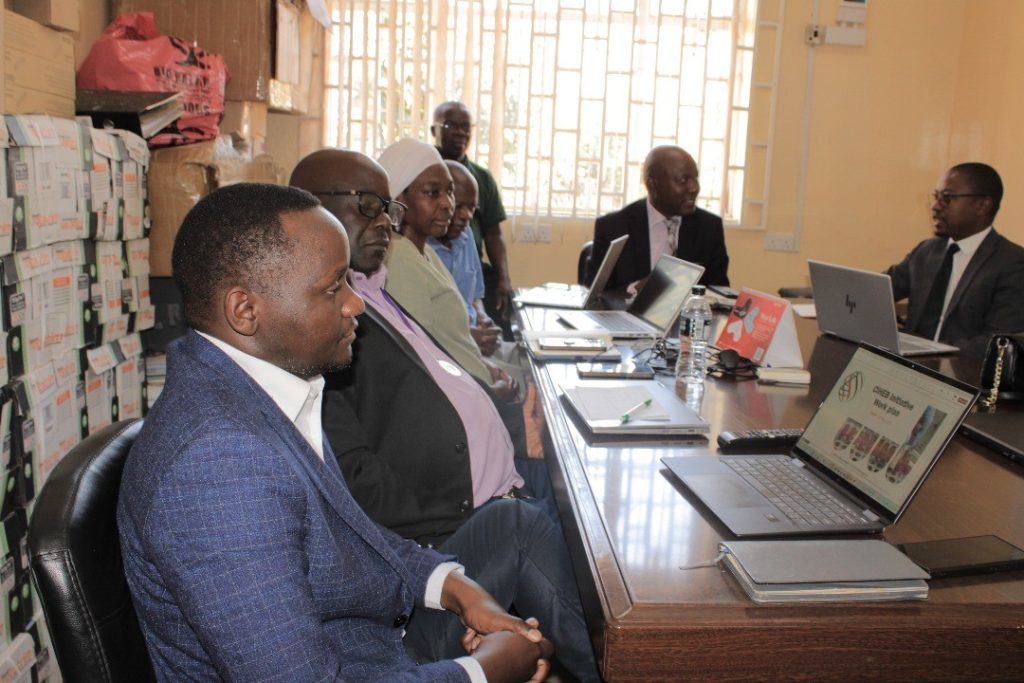
PHIM-NPHL management team listening to the presentation
AMPLIFY 2.0: Key Objectives and Proposed Activities AMPLIFY 2.0 aims to achieve several critical objectives to strengthen Malawi’s public health laboratory system:
a. Scaling Up Multi-Disease and Integrated Diagnosis and Treatment Monitoring Services:
This includes developing and reviewing testing procedures, creating training packages and curricula for ECHO sessions focused on emerging, re-emerging, and priority diseases. CIHEB plans to conduct virtual immersion training for subject matter experts, support laboratories with benchmarking and twinning programs for capacity building, and strengthen the Ministry of Health’s (MOH) ability to coordinate and oversee national diagnostic services. Furthermore, the project will support training for district lab technicians in all aspects of testing and data use, assist in developing Standard Operating Procedures (SOPs) to enhance the proficiency testing (PT) program, and aid PHIM in reviewing and developing method validation/verification procedures. CIHEB will also facilitate the resolution of corrective actions, track validated methods, disseminate results, and collaborate with PHIM QA, HTSS-D, and PAM to develop tools for monitoring method validation/verification, post-market surveillance, and equipment maintenance. The project will also review and disseminate the national quality assurance framework.
b. Strengthening Biosafety, Biosecurity, and Waste Management:
Strengthening MOH Capacity for Coordination and Oversight: This objective focuses on bolstering the MOH’s ability to coordinate and oversee national diagnostic services effectively.
c. Scaling Up Continuous Quality Improvement (CQI) in Laboratories and Point-of-Care Testing (POCT) Services:
CIHEB will support PHIM’s PT program with virtual audit training, conduct national External Quality Assurance (EQA) quarterly review meetings, and enroll laboratories in PT and inter-lab comparisons. The project will also facilitate international training for PT scheme managers for new schemes (e.g., TB culture, CD4, emerging diseases) and support PHIM in HIV RT, Syphilis, and Hepatitis B PT and Quality Control (QC) production. Building local capacity for ePT management is also a key component.
d. Scaling Up POCT CQI:
This involves training HIV Testing Services (HTS) providers on CQI tools and data use to increase the uptake of quality management systems, conducting biannual SPI-RRT audits, and performing SWOT analyses on CQI tool scalability. Additionally, the project will review and disseminate the national certification framework, facilitate a virtual benchmarking meeting with Tanzania on HIV RT CQI and site-level online PT results submission, and build local capacity for SPI-RRT management.
f. Scaling Up ECHO Sessions:
CIHEB will conduct HIV RT ECHO exit assessments, perform desk reviews to identify gaps for ECHO teleconferences, and organize ECHO sessions for HIV RT, EQA, emerging/priority diseases, equipment service, and data use programs. The project will also support the review and development of ECHO curricula for various programs and conduct baseline and exit assessments for new ECHO programs.
g. Strengthening Genomic Sequencing Capacity:
CIHEB will link the Genomic Lab LIMS with Africa CDC NIMS, engage with lab training institutions to update curricula to include genomic sequencing, support bioinformatics training, establish a local equipment calibration center, and conduct engagement meetings with stakeholders on genomics and other services.
h. Establishing a National Accreditation Body:
CIHEB will support the MOH in establishing a national accreditation body through stakeholder engagement meetings.
Dr. Miriam Nyenje taking on Genomics concerns in the projects
Integrated Activities for CQI and Multi-Disease Services AMPLIFY 2.0 incorporates several integrated activities to achieve its objectives, including:
District-Level Support: Quarterly supervisions, mentorships, assessments, and review meetings. National Oversight: Spot check visits on district supervision, mentorship, meetings, training, and assessments, along with national corrective actions on method verification/post-market surveillance. Data Review: National monthly, quarterly, biannual, and annual data review meetings (virtual and in-person). Knowledge Sharing: Regional biannual best practices workshops. Targeted Training: District trainings where applicable. Virtual Learning: Virtual Immersion ECHO training and IECHO registration for teleconference participants. Awareness: District Health Management Team (DHMT) sensitization on new ECHO programs.
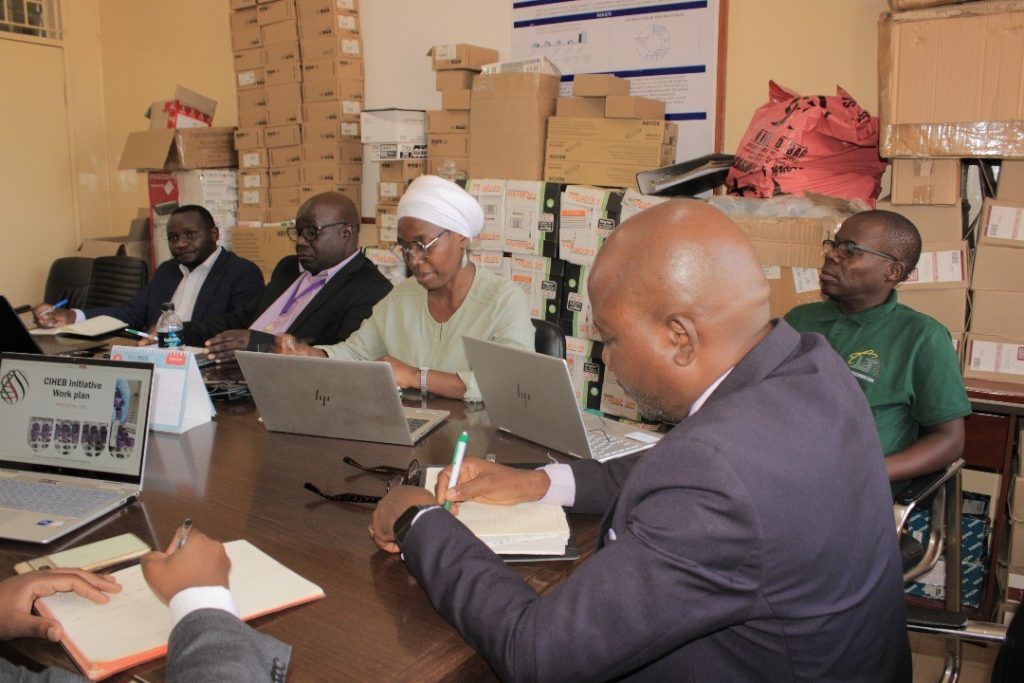
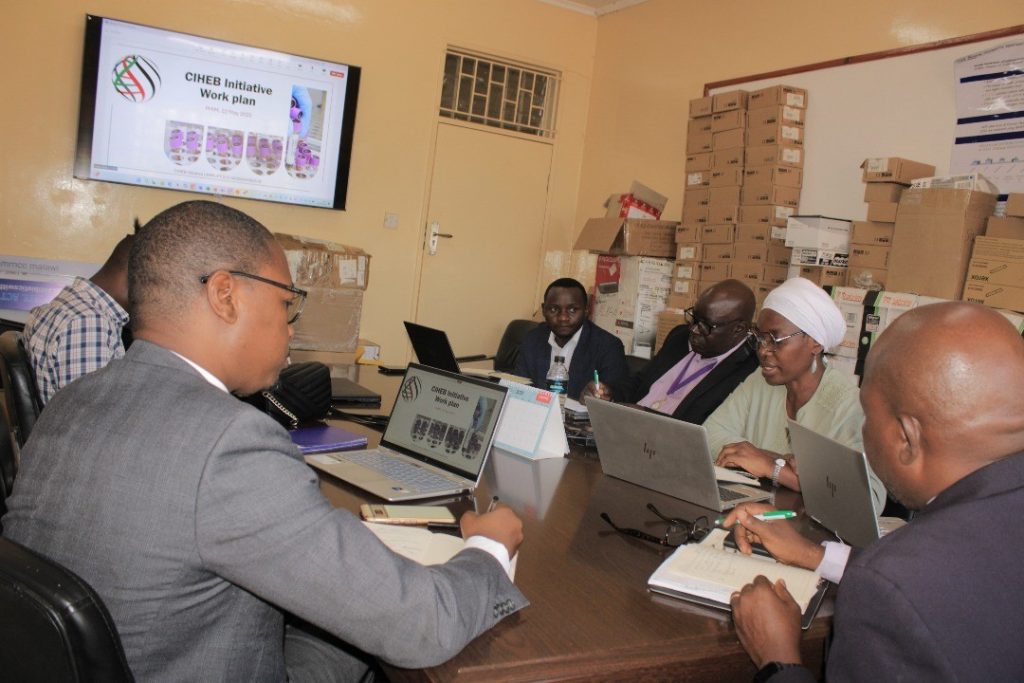
Dr. Oscar Divala making a presentation on CIHEB’s AMPLIFY 2.0 Project
Essential Procurements and PHIM’s Role
To facilitate these activities, CIHEB will procure essential supplies, including materials for 13 local PT schemes’ panels, HIV RT QC production, HIV RRT supplies (e.g., digital timers, thermometers), and chemistry and FBC PT materials. The project will also cover NHLS PT subscriptions, facilitate accreditation of the PT program, and support ECHO, ePT, and SPI-RRT registration, including providing ECHO data bundles and courier services.
CIHEB emphasizes the need for PHIM’s support to successfully implement AMPLIFY 2.0. This includes:
Facilitating CIHEB’s Introduction to Facilities: Ensuring smooth access and collaboration. Coordination on Activity Implementation: Allowing for simultaneous implementation of project activities. Identification of Space: Facilitating the identification of space for PT lab renovation or collaboration with other partners on renovations. Resource Lobbying: Lobbying for resources from the Ministry of Health for sustainable strategies.
Dr. Thokozani Kalua answering and clarifying some questions and points raised during the meeting.
The meeting concluded with Dr. Thokozani Kalua and Dr. Oscar Divala providing further clarifications and presentations on the AMPLIFY 2.0 project and its procurement plans. The collaboration between CIHEB and PHIM is poised to significantly strengthen Malawi’s public health laboratory infrastructure and contribute to improved diagnostic and treatment outcomes across the nation.
Lilongwe, Malawi – May 28th, 2025. by Moses Nyambalo Phiri in collaboration with Andrew Hyeroba and Settie Kanyanda.
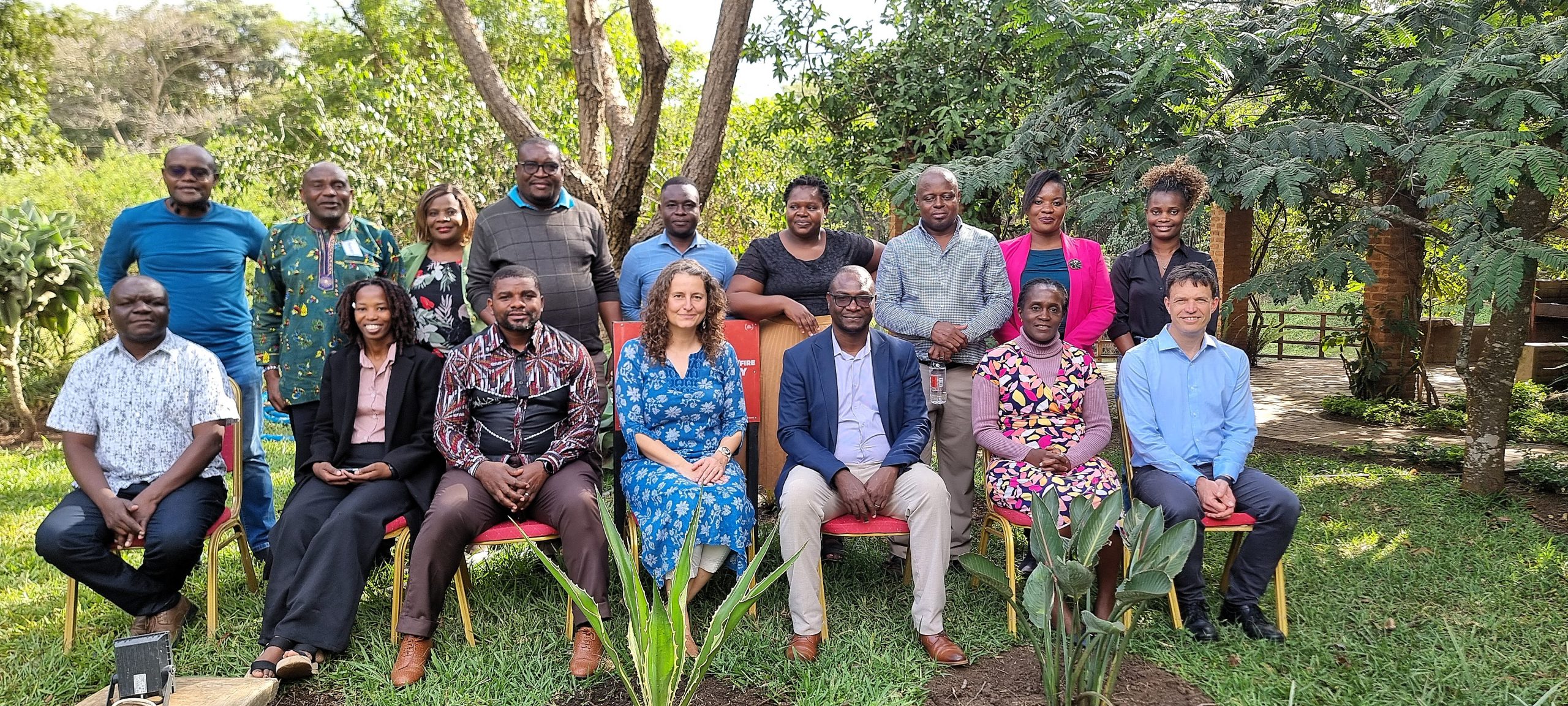
The Public Health Institute of Malawi (PHIM) participated in a three-day leadership and management co-creation workshop, sponsored by the Task Force for Global Health (TFGH) and facilitated by AMP Health who are both partners for PHIM. The workshop ran from 27th to 29th May, 2025, was held at the Eden Estates Hotel in Lilongwe, aimed at charting a path towards actions that will enhance the capacity of PHIM to respond to public health emergencies in a timely manner.
The leadership and management co-creation workshop was rooted in the premise that effective disease surveillance and response to health emergencies is one of the national public health bedrocks that enables the rapid detection and containment of outbreaks. This was in recognition of the fact that PHIM, in its strategic plan, identified the need to address systemic challenges experienced in coordinating disease surveillance and public health emergencies.
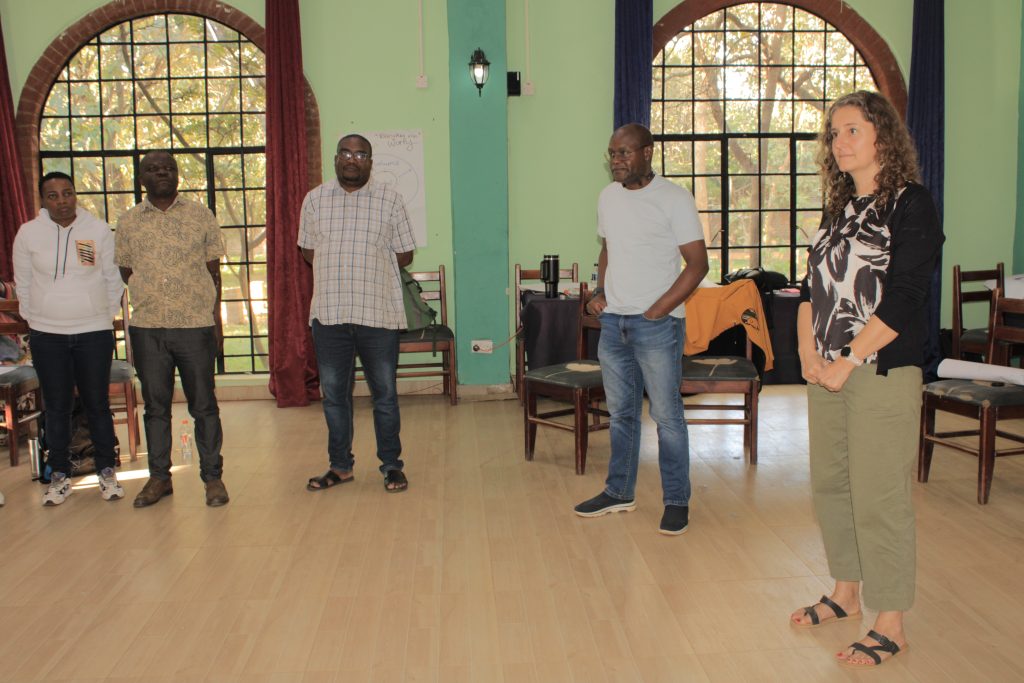
The TFGH, PHIM and AMP Officers during the workshop.
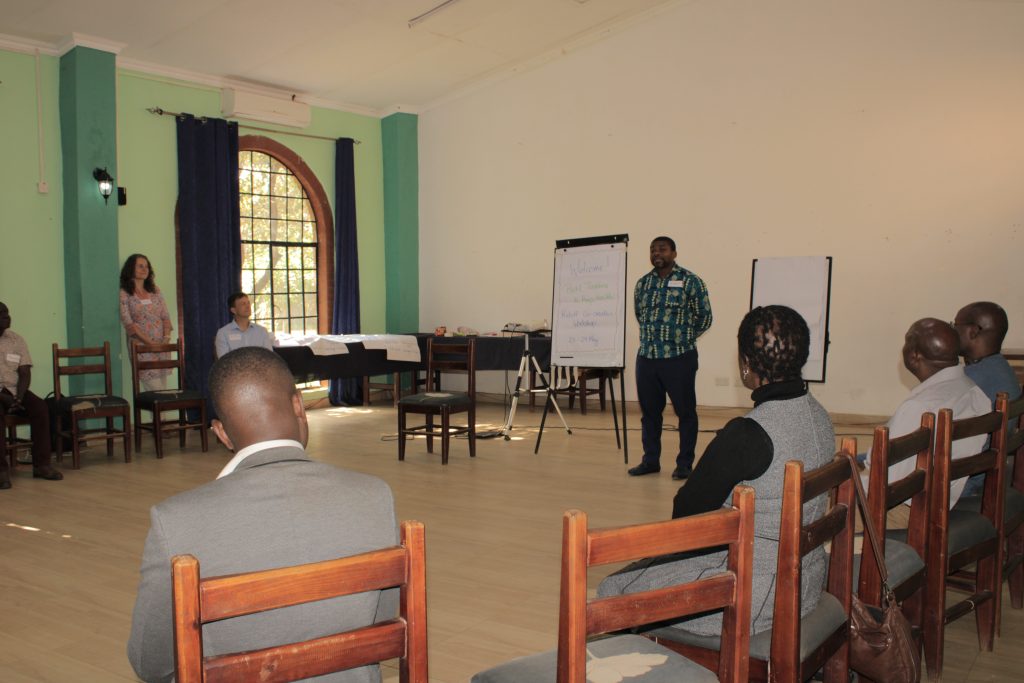
Rhys Johnstone (Director, Learning) – Introduction for the workshop.
The workshop, convening members of different departments of PHIM, sought to establish shared goals and priorities for the months of June – December 2025, that would enable PHIM fast-track the implementation of programs whose partnership financing was coming to a close by end 2025.
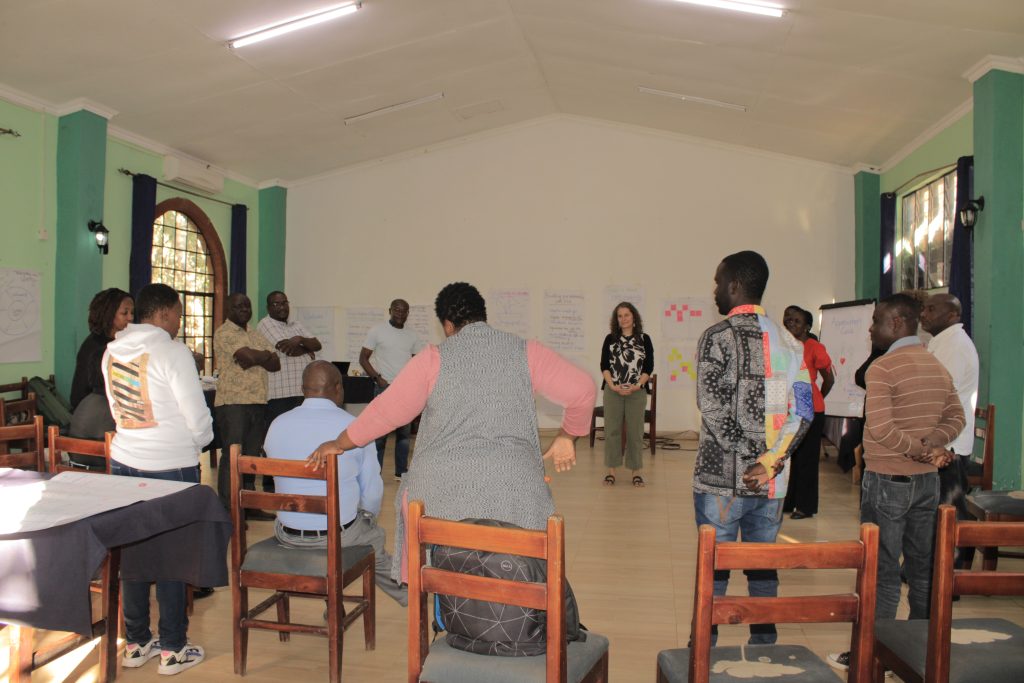
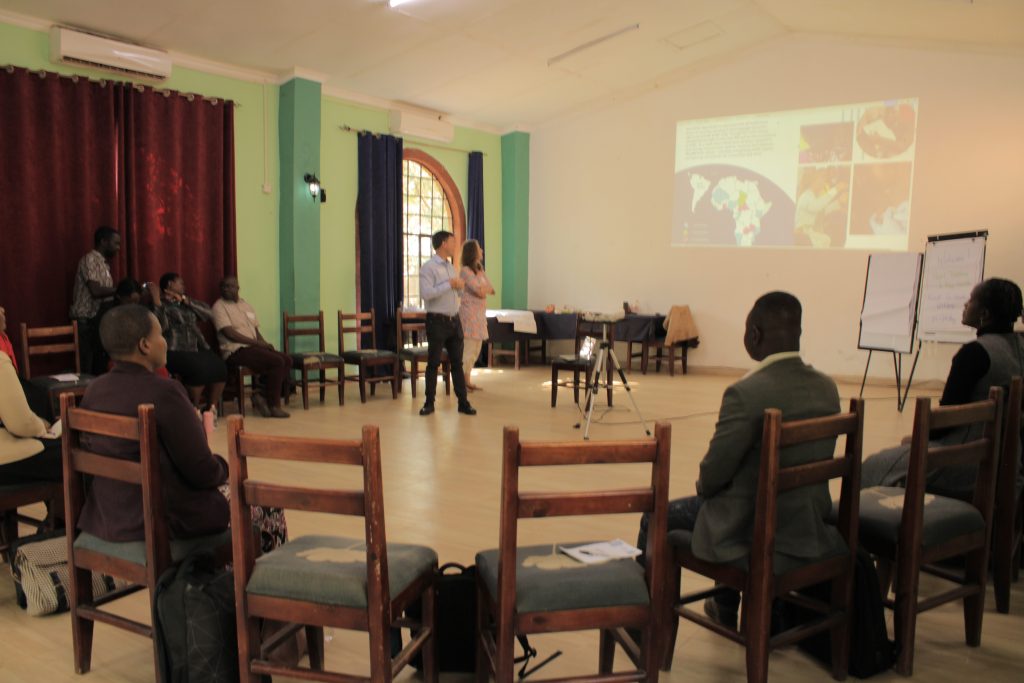
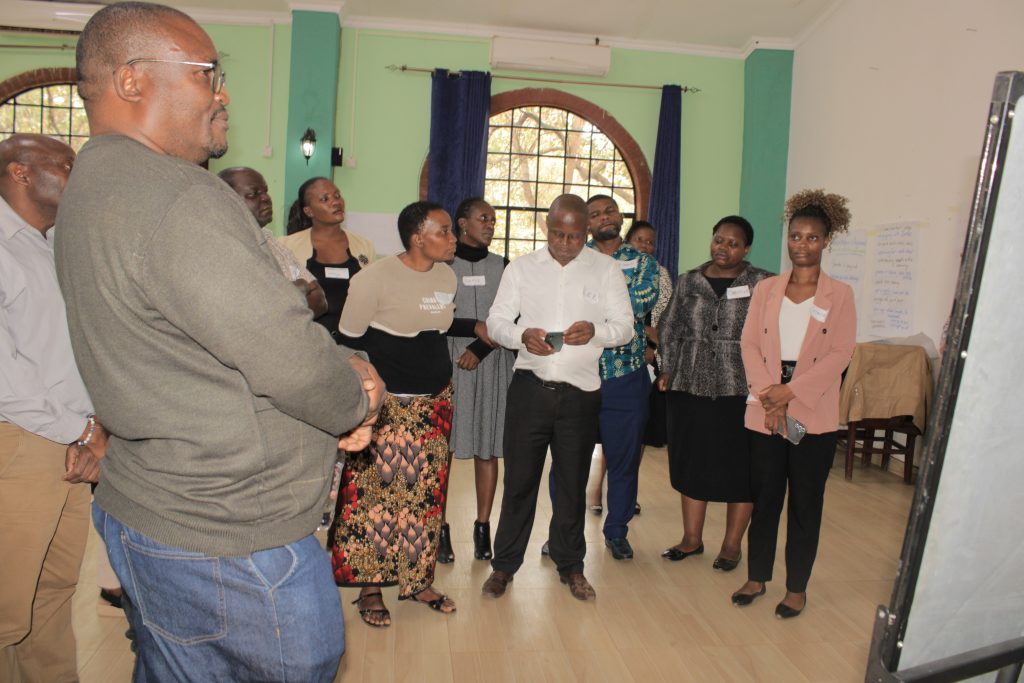
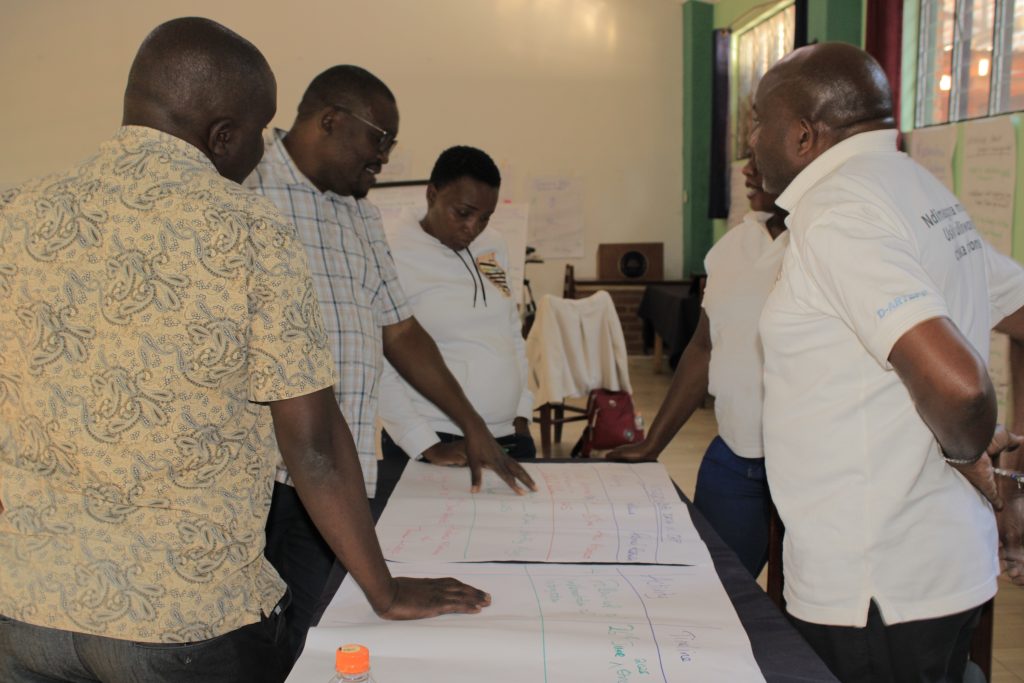
Surveillance and Lab Participants during the Session
Surveillance and Lab Participants during the Session
Engaged group discussions.
In particular, the Global Fund’s support to PHIM. It also sought to clarify the focus of support required from SONAR and AMP Health in facilitating the achievement of the agreed shared goals and priorities. The workshop included foundational training in leadership, management, governance, and coordination. It also highlighted SONAR’s insights on the progress towards the achievement of PHIM’s goals especially those funded by the Global Fund.
The workshop was facilitated by a team of experts from AMP Health, including Klara Michal (Senior Learning Expert), Rhys Johnstone (Director, Learning), and Andrew Hyeroba (AMP Health Management Partner for Malawi). They were joined by Task Force for Global Health staff, including Acho Alphonse (Regional Advisor, SONAR Initiative) and Mtisunge Yelewa (Country Lead, SONAR Initiative from PHIM), and Dorice Chimbeleko (Deputy National Lead, SONAR Initiative – Malawi) who provided insights and support in clarifying the status of PHIM in its implementation of Global Fund’s financing for PHIM.
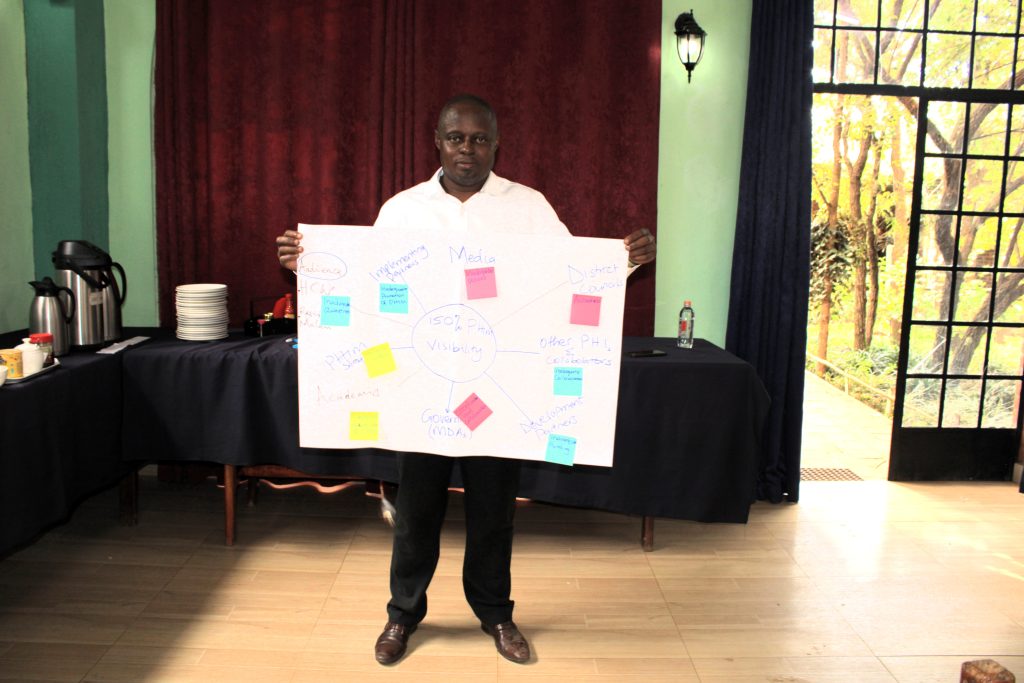
Mr. Chaponda Limbikani displaying some of the fruits of the session.
This co-creation workshop identified key actions to fast-track, focusing on training, support supervision and data management. To increase momentum towards achievement of the agreed key actions, it was resolved that the participants would conduct follow-up meetings for progress tracking, as well as seek support from each other, the SONAR team, and the embedded Management Partner for Malawi. Commitment was made by the SONAR team and AMP Health to doing their best in ensuring that the PHIM teams developed the necessary leadership and management skills, tools, and techniques to effectively deliver their programs.