PHIM Responsive Header

Category: Latest News and Events

  • NHSRC Protocol Forms.

    NHSRC Protocol Forms.

    Research Division: NHSRC Forms Guide
    ESSENTIAL GUIDANCE

    NHSRC Protocol Forms: Streamlining Ethical Review

    The Research Division has updated its official National Health Sciences Research Committee (NHSRC) forms. Below, find the documents required for researchers to download, submit, and manage protocols, followed by the internal forms used for NHSRC oversight.

    1. Researcher Action Forms (Downloadable)

    These forms are mandatory for researchers to initiate, modify, renew, or close a study protocol. Click to download the official template.

    FORM 101  

    Initial Submission

    Application to Conduct Health Research

    This is the mandatory initial application form required for all researchers intending to conduct human health research under the NHSRC’s jurisdiction. It serves as the comprehensive formal submission that officially initiates the ethical review process by providing all necessary preliminary data. Researchers must include essential protocol information, institutional endorsements, and a complete checklist of supporting documents such as the full proposal, informed consent forms, and investigator CVs.

    Download Form →

    Checklist Form

    Pre-Submission

    Protocol Submission Checklist

    This essential document must be completed by the Principal Investigator prior to submitting the study proposal to the NHSRC. It serves as a comprehensive self-audit tool, ensuring that all mandatory components—including the main proposal, Form 101, informed consent documents, CVs, evidence of funding, and payment—are included. Submitting a proposal without completing this checklist or without all required elements will lead to automatic rejection or significant delays in the review process.

    Download Form →

    FORM 10-01  

    Post-Approval

    Request for Amendment / Modification

    This form is strictly required when a Principal Investigator needs to request any changes to a study protocol that has already received NHSRC approval. Researchers must clearly detail the proposed modifications, providing the specific reasons necessitating the amendment to the ongoing project. Any changes cannot be implemented until official NHSRC approval for the amendment has been formally granted and documented.

    Download Form →

    FORM 11-01

    Annual Oversight

    Application for Continuing Review

    The Continuing Review form is mandatory for all ongoing research protocols to ensure continued ethical compliance and participant welfare past the initial approval period. This process mandates the Principal Investigator to provide a detailed progress report and certify the ongoing ethical conduct of the study. Failure to submit this application in time can result in the suspension or termination of the research.

    Download Form →

    FORM 14-01   

    Closing Study

    Protocol Termination Notification

    This form must be submitted to the NHSRC to formally notify the committee of the conclusion or early termination of an approved research protocol. It requires key administrative details, including the protocol number and the final number of participants enrolled, as well as a concise summary of the study’s results at the time of termination. This ensures proper closure of the research file and provides final accountability for human subjects.

    Download Form →

    FORM 15-01

    Final Reporting

    Study Report Submission Form

    This form is used by the Principal Investigator to submit comprehensive information regarding the completed research project. It collects critical details about the study, the number of subjects treated, and dosage information. Most importantly, it requires a detailed summary of the final results and findings. This submission is vital for the NHSRC’s record-keeping and for demonstrating the research outcomes and accountability.

    Download Form →

    SAE Form

    Safety Alert

    Serious Adverse Event Reporting Form

    This specialized form is designed for the urgent, mandatory reporting of any Serious Adverse Event (SAE) that occurs during a study. It collects critical, time-sensitive information, including causality assessment related to the study intervention, the outcome for the participant, and the severity of the event. Prompt reporting is essential for participant safety and regulatory compliance throughout the study’s duration.

    Download Form →

    MTA Form

    Material/Sample

    Material Transfer Agreement Form

    The Material Transfer Agreement (MTA) Form is mandatory for research protocols involving the transfer or export of materials, such as biological samples, to institutions outside the collection site. It requires detailed documentation of the intention, scientific justification for the transfer, duration of storage, and strict prohibitions against the sale of samples collected in Malawi without prior approval.

    Download Form →

    2. NHSRC Internal Oversight Forms (Descriptive Only)

    These documents are used internally by the NHSRC, its reviewers, and its monitors. The summaries below outline the standards and compliance metrics researchers should be aware of, but the forms themselves are not available for public download.

    FORM 701

    Reviewer Use Only

    Protocol Assessment Form

    This is the crucial internal instrument used by designated NHSRC reviewers to systematically evaluate research protocols. It provides a structured checklist for assessing scientific and ethical integrity, focusing on clarity of objectives, methodological soundness, fairness of risk-benefit assessments, and ethical considerations like informed consent and confidentiality provisions. This form standardizes the review process and is the basis for the committee’s decision (e.g., approval, minor/major modifications, or rejection). Researchers should ensure their submissions address all these core areas comprehensively.

    Internal Document →

    FORM 19-01

    Site Monitoring

    Inspection Visit Form

    This form is utilized by NHSRC representatives or appointed monitors when conducting an on-site visit to a research location. It documents the purpose and outcomes of the inspection, covering administrative details, study status, and protocol compliance. The form serves as a structured report to the committee, ensuring that research sites adhere to the approved protocol, Good Clinical Practice (GCP) guidelines, and regulatory requirements throughout the study’s lifespan. Researchers should expect this level of oversight during the life of the study.

    Internal Document →

    Inspection Checklist

    Site Monitoring Tool

    Site Inspection Checklist

    This checklist is used in conjunction with the Inspection Visit Form (19-01) to systematically audit specific elements of a research site’s operation. Areas covered include: informed consent processes, drug accountability, data management, Quality Assurance (QA) systems, staff training records (GCP/Ethics), and appropriate waste disposal procedures. It ensures a standardized, thorough assessment of compliance across all participating sites. Knowing the categories on this checklist can help investigators proactively prepare for monitoring visits.

    Internal Document →

    FORM 02-01

    Ethical Compliance

    Confidentiality Agreement Form

    This is a foundational ethical requirement for all NHSRC members and external visitors attending committee meetings. The individual formally affirms their commitment to holding all confidential, proprietary, or sensitive protocol and participant information in the strictest confidence, except where disclosure is legally mandated. This agreement protects the privacy of research protocols and data during the ethical review process.

    Internal Document →

    FORM 20-01

    Ethical Compliance

    Conflict of Interest Form

    This document is completed by NHSRC members and staff to outline and manage any actual or potential conflicts of interest. It enforces the policy that no member may participate in the review or approval of an activity in which that member has a conflicting interest except to provide information as requested by the NHSRC. This mechanism is crucial for maintaining the impartiality and integrity of the review process.

    Internal Document →

    Need further Assistance?

    The NHSRC is dedicated to upholding the highest standards of ethics and scientific rigor. For any inquiries regarding protocol submission, review status, or compliance, please reach out to our team.

    Promoting Scientific and Ethical Conduct of Health Research in Malawi

    Reach out to:

    • Dr M. Joshua (Chairperson)
    • Dr F. Namboya (Vice-Chairperson)
    • Chikondi Chimbatata

    Registered with the USA Office for Human Research Protections (OHRP) as an International IRB

    IRB Number: IRB0000****05

    FWA Number: FWA0000****76

    Email: research@health.gov.mw

  • IDSR Epidemiological Bulletin – Week 46.

    IDSR Epidemiological Bulletin – Week 46.

    Malawi IDSR Infographic (Week 46, 2025)

    Editorial Team

    Dr. Matthews Kagoli Mrs. Mtisunge Yelewa Mr. Austin Zgambo Mr. Sikhona Chipeta Mr. James Jere Mr. Noel Khunga

    Weekly IDSR Bulletin

    Epidemiological Week 46 (10-16 November, 2025)

    Published By

    Moses Nyambalo Phiri

    Public Health Institute of Malawi

    National Surveillance Performance

    The Integrated Disease Surveillance and Response (IDSR) system continues to perform strongly. In Week 46, reporting completeness reached 94.8%. However, Central Hospitals significantly underperformed at 50%, highlighting a critical need for data integration support at tertiary facilities.

    Reporting Completeness
    94.8%
    +0.4% vs Week 45
    Reporting Timeliness
    91.9%
    -2.4% vs Week 45
    Performance Analysis The Central West zone achieved near-perfect scores (99.4% completeness), while the North Zone maintained high standards (98.0%). The drop in timeliness suggests potential logistical or connectivity challenges in specific districts that need addressing.

    Priority Disease Alerts

    Malaria remains the highest burden (20,796 cases, 16 deaths). Notably, Rabies alerts saw a significant rise to 11 suspected cases this week.

    Alert Insights Diarrhoea with blood cases slightly decreased to 1,077 but remain high. SARI cases increased to 65 with 4 deaths, reinforcing the need for respiratory surveillance. Meningitis cases also rose slightly to 7.

    Outbreak Spotlight: Mpox

    Surveillance remains active with 3 new confirmed cases and 40 suspected alerts in Week 46. The cumulative confirmed total is now 139.

    Epidemic Curve

    Trend Analysis While the major wave has subsided, the occurrence of 3 new cases indicates persistent low-level transmission. Continued vigilance and contact tracing are essential to prevent a resurgence.

    Demographic Impact

    Recovery Status 131 cases (94.2%) have successfully recovered. Currently, active management involves isolating confirmed cases to break chains of transmission.

    Outbreak Spotlight: Measles

    Measles outbreaks are evolving. While Balaka remains the epicenter, Machinga and Nsanje have seen increases in case numbers (24 and 22 respectively). Total cases: 126.

    Geographic Clusters

    Hotspots The rise in cases in Nsanje (22) and Machinga (24) signals widening local transmission in the Southern region, requiring intensified vaccination campaigns.

    Vaccination Status

    Data Gap The majority of cases still have unknown vaccination status. Strengthening routine immunization data capture is critical for outbreak analysis.

    Event-Based Surveillance (EBS)

    39 signals were reported this week. The risk profile has diversified, now identifying events classified as Very High Risk (2) and Very Low Risk (1).

    1

    Detection

    39 signals reported (Decrease from 49 in Wk 45).

    2

    Verification

    9 signals (23.1%) verified as genuine public health events.

    3

    Response

    2 Very High Risk events identified requiring urgent intervention.

    Risk Profile Breakdown

    Signal Triage 30 signals (77%) remain unclassified. The presence of “Very High” risk signals emphasizes the importance of the verification process.
    Download Official Bulletin (PDF)

    © 2025 Public Health Institute of Malawi. All Rights Reserved.

  • Chitipa – Cohort 24 Completes Frontline Field Epidemiology Training Programme.

    Chitipa – Cohort 24 Completes Frontline Field Epidemiology Training Programme.

                PHIM News: Chitipa – Cohort 24 FETP Frontline Graduation                    
                   

    PHIM Strengthens District Health Security: Cohort 24 Completes Frontline Field Epidemiology Training Programme


    Lilongwe, Malawi – 7 November 2025


                The Public Health Institute of Malawi (PHIM) today celebrated a major milestone in strengthening national public health systems with the graduation of Cohort 24 from the Field Epidemiology Training Programme (FETP) Frontline. A total of 18 dedicated public health and allied professionals from Chitipa District successfully completed the intensive three-month, in-service training, culminating in a scientific dissemination workshop where they presented real-world findings from their field projects.        


                This event marks the continuous success of the FETP, a critical workforce development initiative implemented by the Ministry of Health and Population through PHIM, with foundational financial and technical support from the United States Centres for Disease Control and Prevention (CDC) and the International Training and Education Centre for Health (I-TECH). Since its adoption in 2016, the programme has been central to building a sustainable and skilled capacity for timely detection and response to health threats across the country.        


    The Foundation of National Health Security


                The FETP utilises a three-tier training approach—Basic (Frontline), Intermediate (nine months), and Advanced (two years)—to cultivate expertise at every level of Malawi’s health system. Cohort 24 focused on the Frontline tier, whose primary goal is to improve the quality of the Integrated Disease Surveillance and Response (IDSR) system and encourage the practical use of data for decision-making at the community and district levels.        


                The core principle of the FETP model is learning-by-doing: 80% of the course is dedicated to field work, where participants immediately apply classroom competencies—such as outbreak investigation, descriptive epidemiological analysis, surveillance system problem analysis, and scientific communication—to real public health challenges in their districts.        


    Chitipa Cohort Leads the Way in One Health Collaboration


                Cohort 24 specifically targeted staff from Chitipa District Hospital, local health facilities, and, significantly, personnel from Agriculture extension Planning areas. This integrated approach is vital to strengthening One Health collaboration, recognising that the health of humans is intimately connected to the health of animals and the environment. By training staff across sectors in Chitipa, PHIM is equipping the district with the multi-disciplinary skills needed to address emerging and complex zoonotic threats effectively at the grassroots level.        


    Scientific Dissemination: Field Studies Driving Policy Change


                The graduation ceremony was not just a formal recognition of achievement, but a crucial scientific forum. The 18 graduates presented the findings of their three-month research projects, which often lead to actionable interventions adopted by district health management teams. Health managers and heads of departments from across the country were in attendance, ensuring the immediate uptake and dissemination of these vital public health findings.        

           
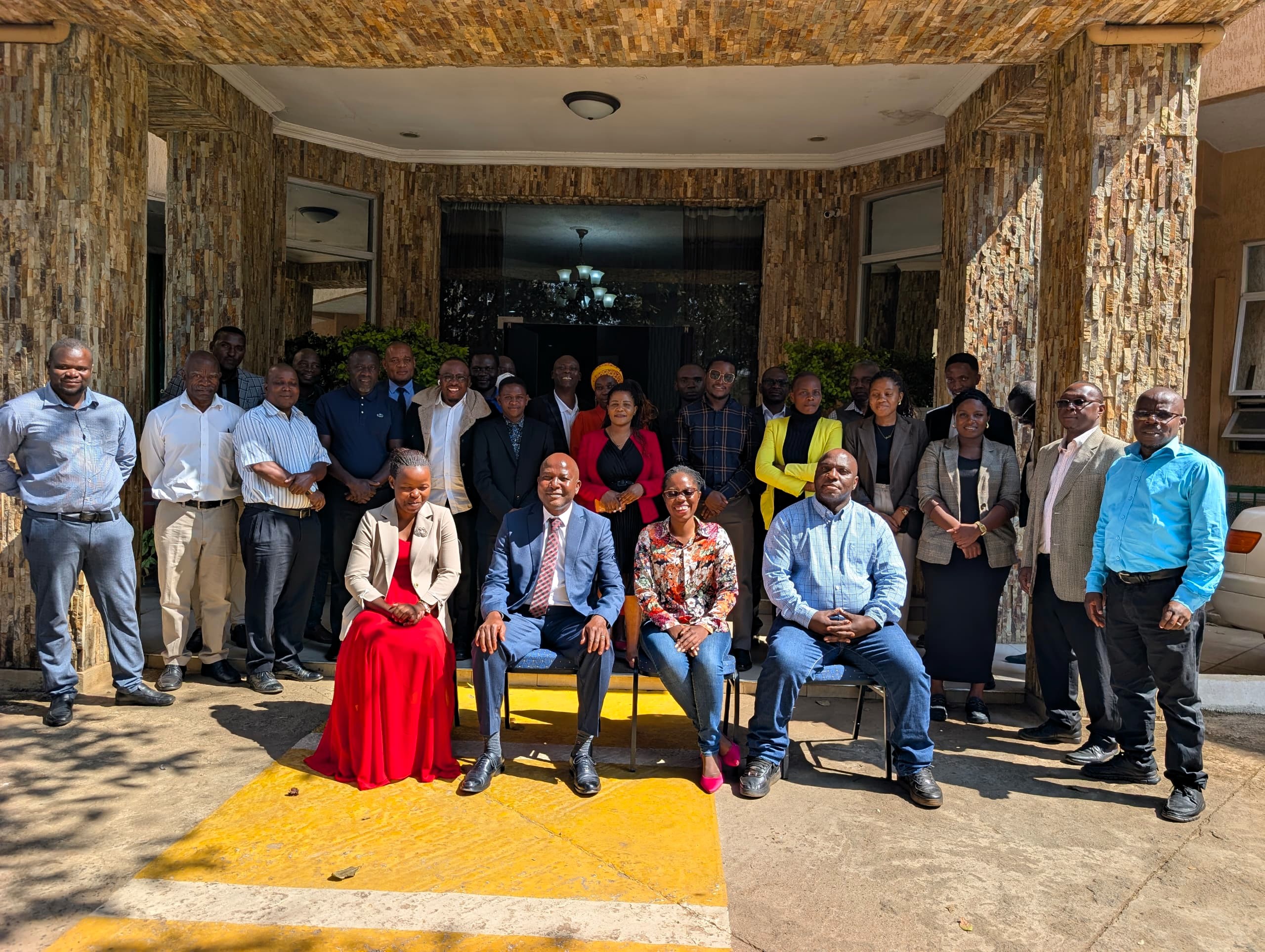
    Graduation ceremony for PHIM FETP Cohort 24

    Cohort 24 graduates and mentors at the scientific dissemination workshop.


    Highlights from the Scientific Presentations


    🚩
                       

    Investigation of a Diarrhoea Cluster in Mbandira EPA


    Investigated an acute watery diarrhoea cluster, identifying the source and at-risk populations. Findings informed targeted WASH interventions, preventing further spread.


    📈
                       

    Assessment of IDSR Data Quality for Measles in Chitipa South


    Conducted a data quality audit of the measles surveillance system, identifying gaps in completeness and timeliness. Recommendations improved reporting procedures and early warning sensitivity.


    🏕
                       

    Analysis of Malaria Case Trends in Agricultural Extension Planning Areas (EPA)


    Analyzed five years of malaria incidence data in key EPAs, identifying seasonal and geographic hotspots. The analysis guided targeted resource allocation for ITN distribution and larviciding.


    💉
                       

    Evaluation of Routine Immunization Coverage in Rural Health Facilities


    Assessed routine immunization coverage for children under two in underserved areas. The study identified access barriers, leading to the implementation of a mobile outreach clinic schedule.


    🦧
                       

    Evaluation of Tuberculosis Case Reporting Timeliness


    Assessed timeliness of Tuberculosis case reporting from diagnosis to national system entry. Recommended digital tools to expedite case notification and improve control measures.


    🐶
                       

    Rabies Post-Exposure Prophylaxis (PEP) Availability Audit


    Audited Rabies Post-Exposure Prophylaxis (PEP) availability and stock management at district health facilities. Findings ensure district readiness for animal bite incidents, reinforcing One Health collaboration.


    Capacity Building: The Core Objectives Achieved 


                The graduation is a tangible demonstration of PHIM’s commitment to achieving the core objectives of the Frontline FETP, which include:        


    • Improved Data Use: Increased appreciation among public health workers for the role of data in monitoring community health and informing decisions.
    •            
    • Enhanced Surveillance: Improved quality and use of surveillance data for disease and outbreak detection, strengthening the link between field epidemiology and laboratory services.
    •            
    • Rapid Response: Improved capacity to investigate and respond to public health events of importance, ensuring that local outbreaks are detected and prevented from spreading within and outside the country.
    •        
           

    Partner Acknowledgements


                The continued success of the Field Epidemiology Training Programme is made possible through the robust and sustained partnership between PHIM, the Ministry of Health, and our key technical and financial partners. We extend our sincere gratitude to:        


                    CDC Logo            
               
                    I-TECH Logo            


                PHIM extends its heartfelt congratulations to the 18 graduates of Cohort 24 and looks forward to their continued service as frontline defenders of public health in Malawi.