The Workshop Focuses on Health Workers’ Knowledge, Attitudes, and Practices.
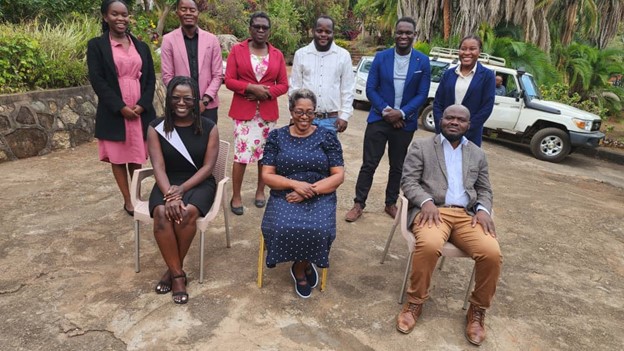
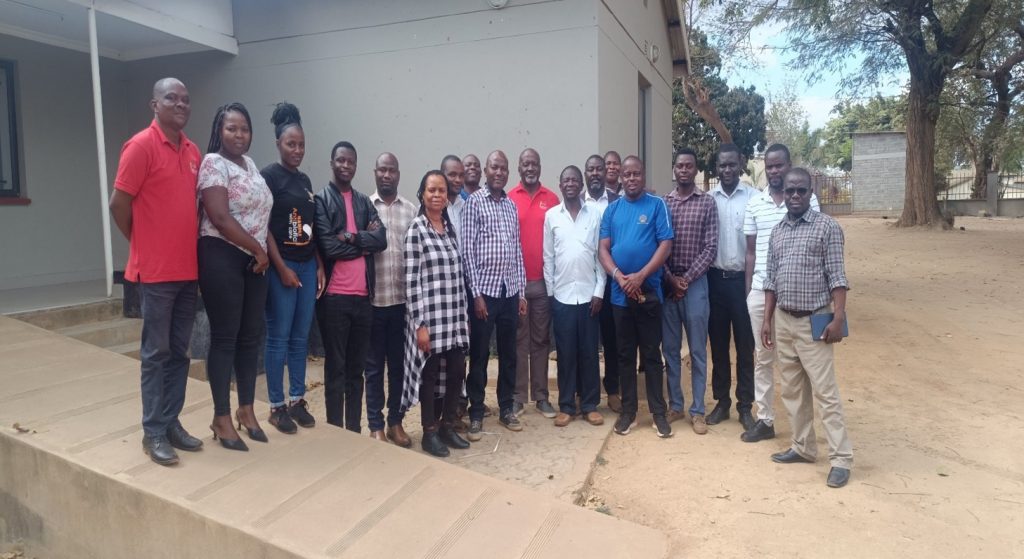
A group of researchers, public health professionals, and experts convened in Zomba, Malawi, to address the critical issue of healthcare waste management. The workshop, which aimed to develop a comprehensive manuscript on health workers’ knowledge, attitudes, and practices regarding this, highlighted the importance of innovative solutions to protect public health and the environment.
The workshop brought together a diverse group of stakeholders, including academic researchers, government officials, and representatives from healthcare institutions. The collaborative approach fostered a rich exchange of ideas and expertise, contributing to the development of evidence-based strategies for improving healthcare waste management practices in Malawi.
National Public Health Laboratory, Dar-es-Salam – Tanzania [26/08/2024].
The World Health Organisation (WHO) hosted a training on the Direct Detection and Nanopore Sequencing (DDNS) technique at the National Public Health Reference Laboratory in Dar es Salam, Tanzania from 26th August to 30 August 2024. The participating countries were Tanzania, Eritrea, Rwanda, Malawi and Kenya.
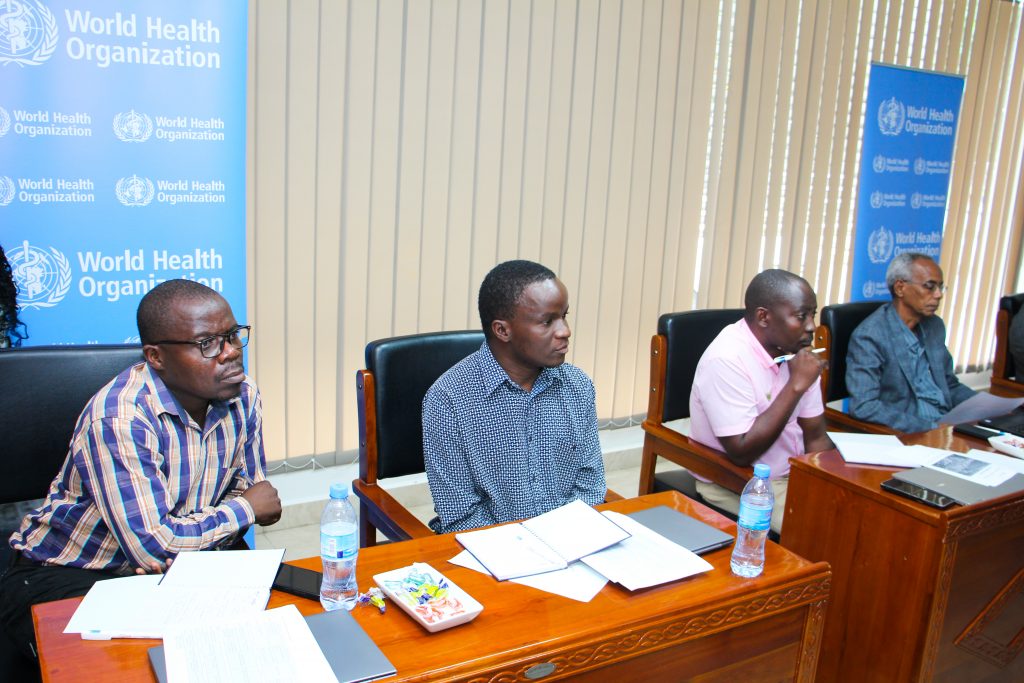
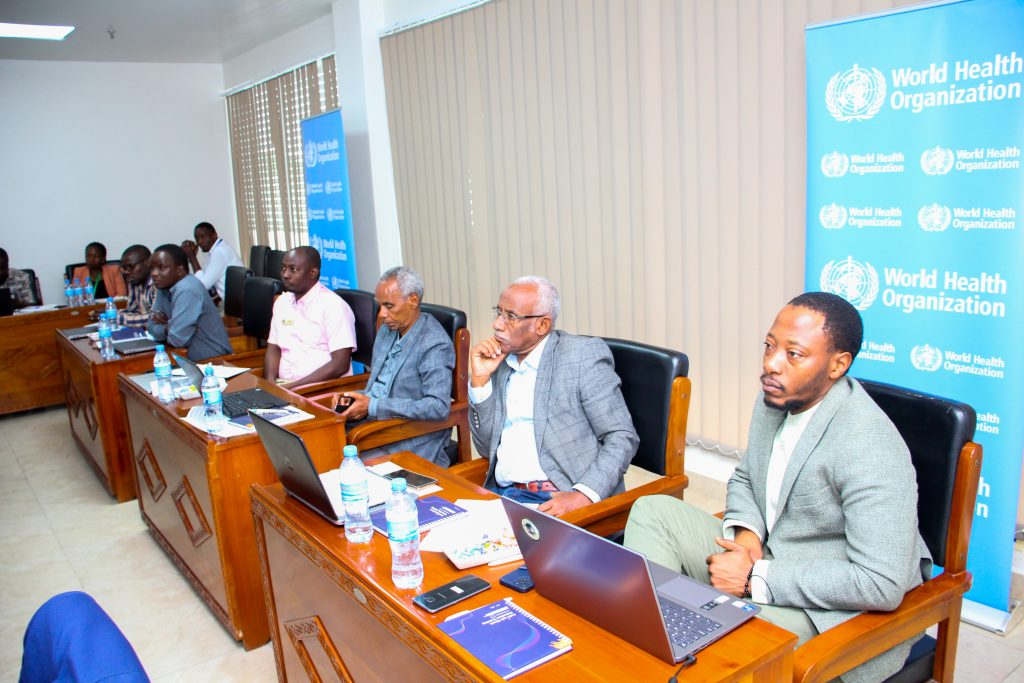
Mr. Happy Manda and Mr. Mphatso Bukhu listening attentively to one of the lectures.
Malawi was represented by Mr Mphatso Bukhu and Mr Happy Manda. The training was opened by the Deputy Director of Tanzania Public Health Institute who in her words encouraged the participants to be participative and facilitate networking in the family of the public health laboratories in Africa. She further emphasised working together in the fight against outbreaks with a citing as an example of the current Mpox pandemic that is threatening African countries.
The workshop targeted sequencing of poliovirus using Nanopore technology. Poliomyelitis (polio) is a highly infectious and sometimes fatal disease caused by a virus. Polioviruses are small single-stranded RNA viruses that belong to the Enterovirus subgroup of the family Picornaviridae. Humans are the only reservoir for the polio virus. The virus invades the nervous system and can cause irreversible paralysis. The disease usually affects children under five years.
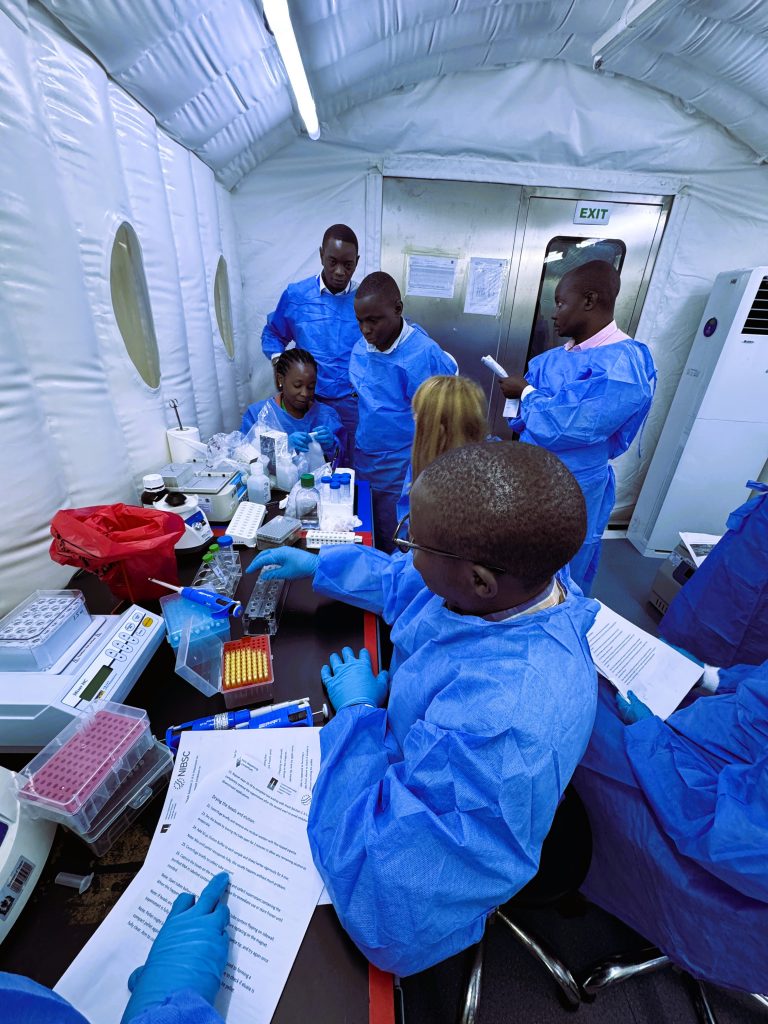
Practicing time in a genomics laboratory
Polio cannot be cured, but safe vaccines can effectively prevent the disease. When administered multiple times, a proper polio vaccine can protect a child from this disease for life. Despite the substantial progress made by the Global Polio Eradication Initiative (GPEI), poliomyelitis remains a major health problem in under-immunized communities. Emerging poliovirus transmission and current outbreaks of circulating vaccine-derived poliovirus (cVDPV) are such setbacks to the GPEI. Furthermore, a combination of delayed receipt (shipping) of stool samples, time taken for virus isolation using cell culture and insufficient sequencing capacity result in delay of outbreak interventions. The Global Polio Surveillance Action Plan (GPSAP) 2022-2024 aims to increase the speed of poliovirus detection, improving surveillance and timely intervention campaigns.
Multi – country participants listening attentively
Direct Detection by Nanopore Sequencing (DDNS) allows rapid molecular detection and sequencing of poliovirus from stool samples in a simple integrated protocol. It replaces cell culture, intratypic differentiation (ITD) and Sanger sequencing, allowing case confirmation by generating a VP1 sequence in less than 7 days of sample processing. It can be performed in any laboratory with experience conducting PCR, bringing sequencing capacity to many more Global Polio Laboratory Network (GPLN) laboratoriess. This improved next-generation sequencing method is currently being validated for implementation with ongoing successful parallel testing in priority Polio labs and the method offers an opportunity to interrupt ongoing transmission of polioviruses of programmatic importance.
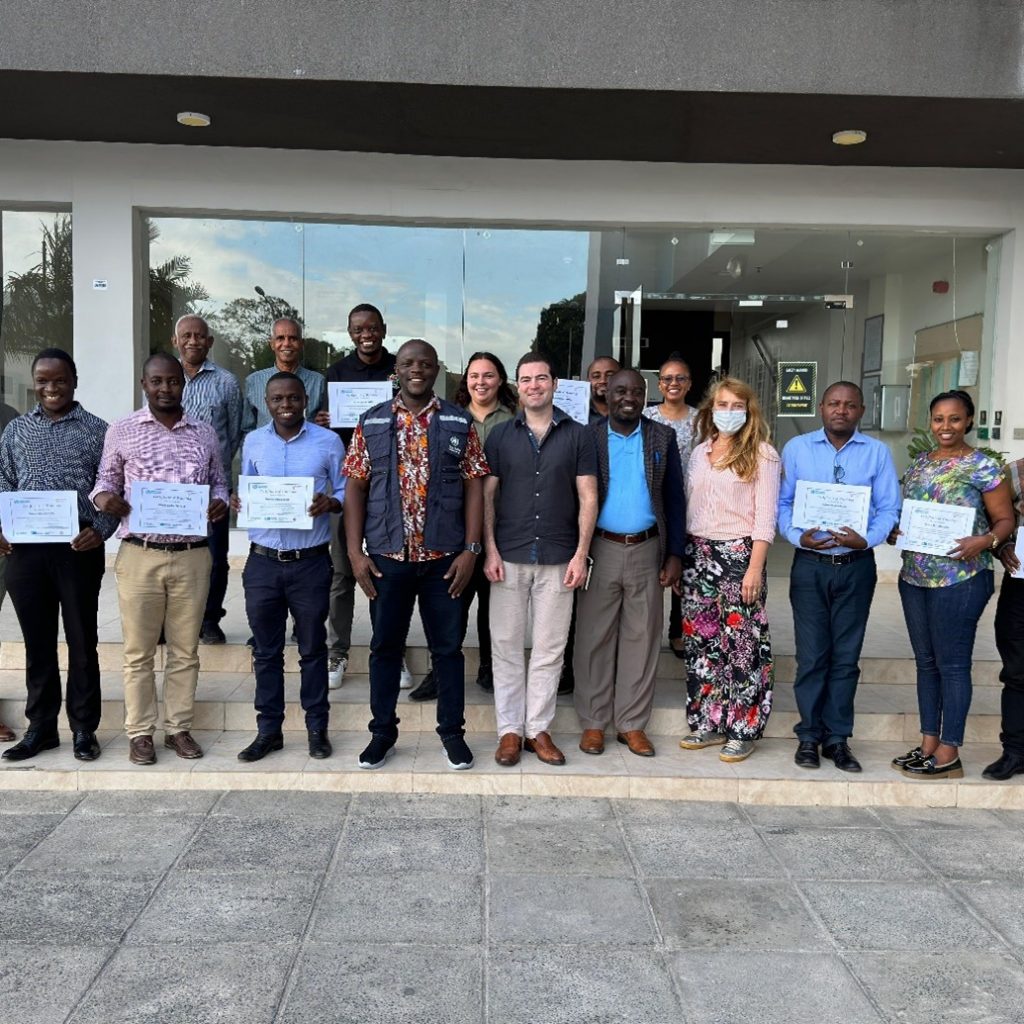
Participants went away with certificates.
In laboratories which are not part of the Global Polio Laboratory Network (GPLN) laboratories like Malawi, considering the Global Action Plan for Containment of polioviruses, it is imperative to prepare a comprehensive SOP to guide the handling, processing, and containment of stool specimens for poliovirus detection by Direct Detection and Nanopore Sequencing (DDNS). This will improve poliovirus detection and monitoring in countries whose laboratories are not part GPLN within the WHO-AFRO region.
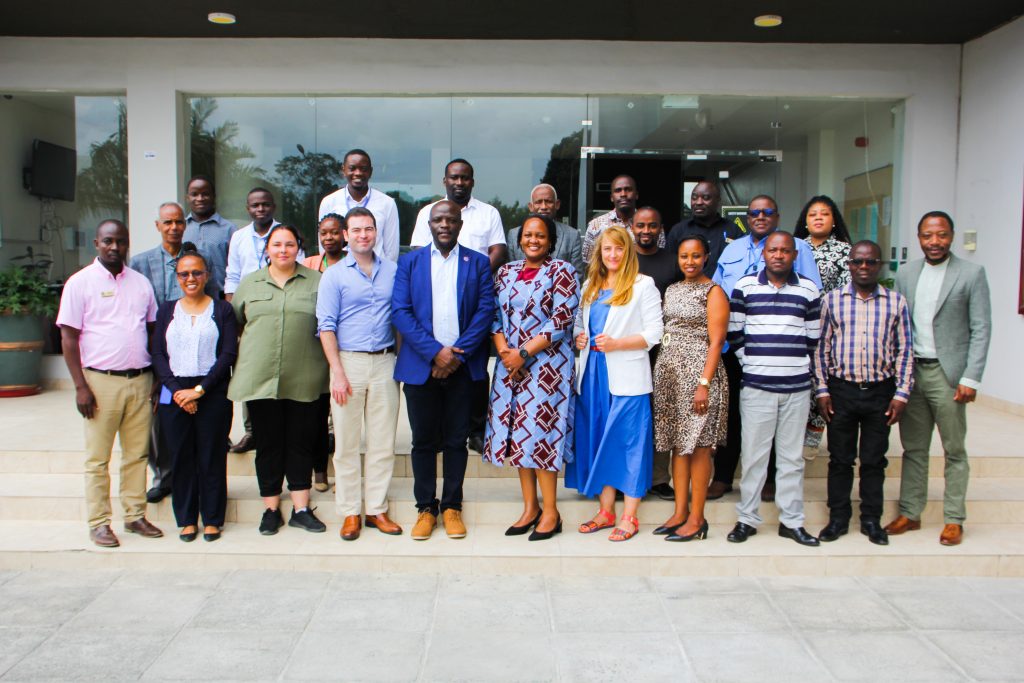
Mr Joseph Bitilinyu Bangoh standing in the middle front row, having a group photo with the participants and facilitators.
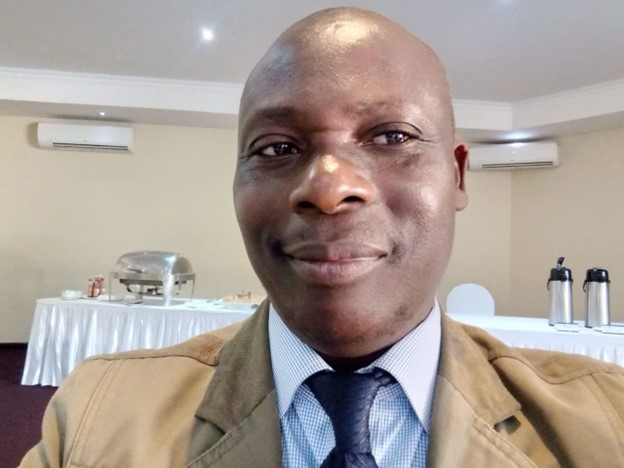
The Public Health Institute of Malawi with funding from UNICEF conducted an initial training of the laboratory officer working at the Chemistry, Haematology, Nutrition and Influenza Reference Laboratory, a department of the National Public Health Laboratory(NPHL). The meeting was opened by the Deputy Director responsible for NPHL Mr Joseph Bitilinyu Bangoh who, in the opening remarks, thanked the organizers of the training and the facilitators. He shed more light on the importance of the training in certifying food fortification by industries in Malawi. He further highlighted the activeness of the PHIM in many disease outbreak responses and the mandate it has in tackling issues of public health importance, seeing as an example current work on the Mpox outbreak threat. He further encouraged the participants to take the course seriously as the public looks up to the laboratory to safeguard the consumption of safe and nutritious food in Malawi.Days went unnoticed as the journey on fortification testing went very interesting
The coordinator of the training workshop Mr. Henry Limula, Chief laboratory Scientist responsible for The Chemistry, Haematology, Nutrition and Influenza Reference Laboratory, in his speech emphasised the importance of determining the level of fortification of food. He hailed the collaboration PHIM has with stakeholders and partners in Malawi. He told the participants to put much of their effort into understanding the testing protocols.
Mr Henry Limula, head of the Chemistry, Haematology, Influenza and Nutrition National Reference Laboratory.
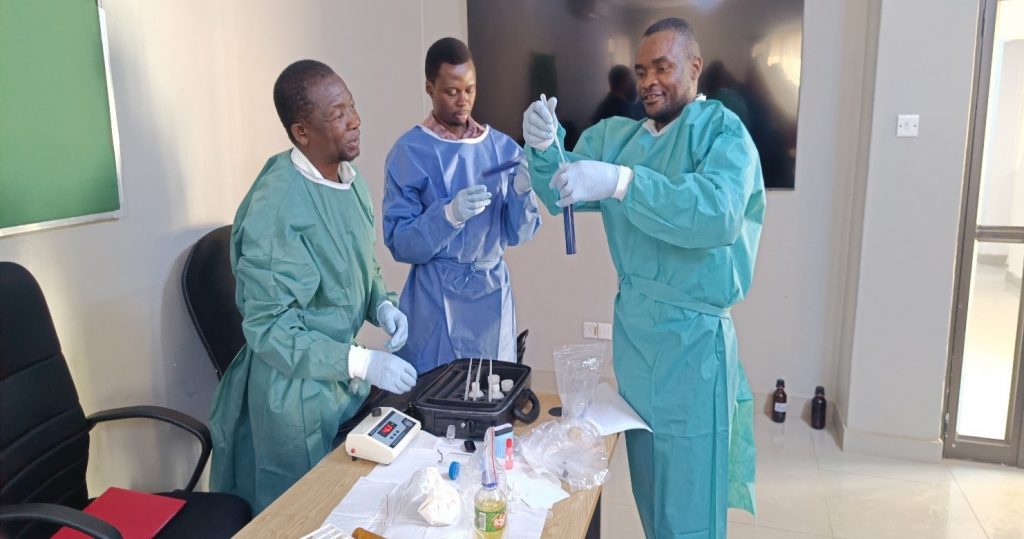
The training aimed to empower laboratory officers with the knowledge and skills required to conduct food fortification tests.
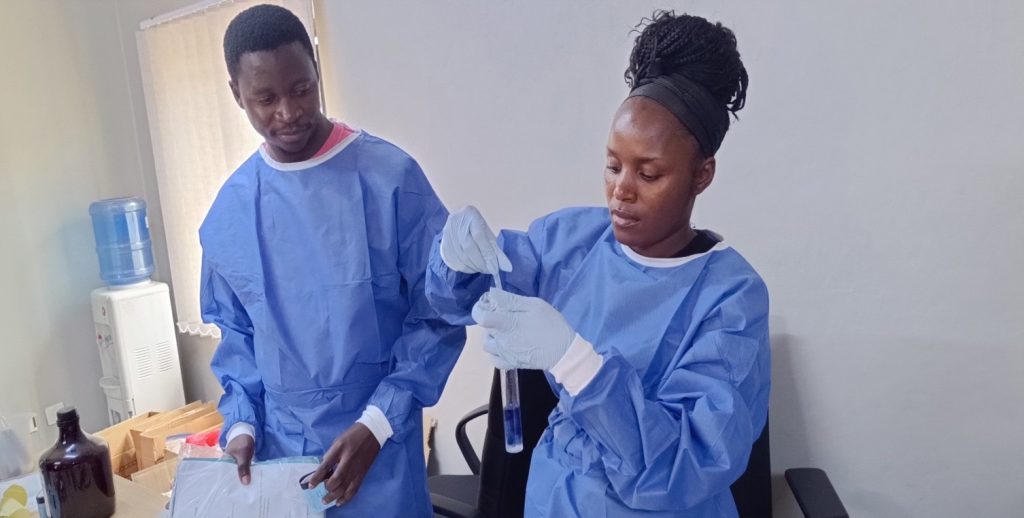
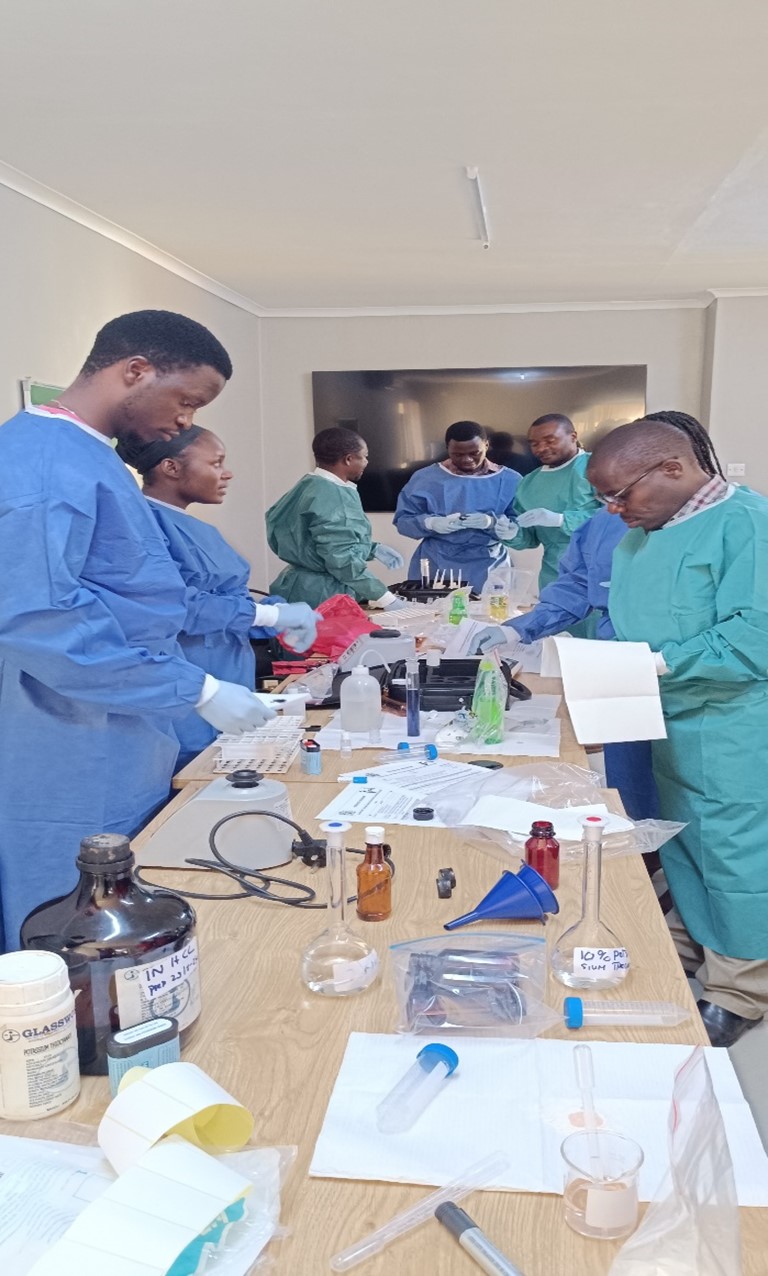
Laboratory officers testing food products during training.
Fortification of sugar, oil, wheat, and maize flour became mandatory in Malawi, and a gazette of standards was published in 2016. Edible oil is fortified with vitamin A. Raw, refined sugar is fortified with vitamin A. Maize and wheat flour is fortified with Vitamin A and Iron. Salt is fortified with Iodine. The training comprised 3 days of theory and 2 days of practicum.
The Ministry of Health (MOH) through the Environmental Health Directorate manages food fortification monitoring nationwide through district market and household surveillance. Samples are collected, quarterly, and tested at the National Nutrition Reference Laboratory (NNRL) at the Public Health Institute of Malawi. Results are sent to MOH with copies sent to districts For decision-making, reports are generated and shared with the National Fortification Alliance, and nutrition technical working group, and these feed into the National Nutrition Committee.