PHIM Responsive Header

Author: Moses Nyambalo Phiri

  • Mpox Situation in Malawi.

    Mpox Situation in Malawi.

    Mpox Situation in Malawi – Comprehensive Analysis
    Mpox Issue 73 | Current Status

    Epidemiological
    Intelligence

    Surveillance Update: 20th January, 2026

    PUBLISHED BY

    Moses Nyambalo Phiri

    Executive Case Briefing

    On 18th January 2026, the Public Health Institute of Malawi confirmed a new case in Salima District involving an 18-year-old female. This diagnostic confirmation, occurring 12 days after the initial hospital presentation, underscores the vital importance of molecular validation in managing the current outbreak, which has now accumulated 148 confirmed cases.

    148

    National Total

    01

    New Salima Case

    Clinical presentation of suspected Mpox lesions
    Primary Symptom: Characteristic Cutaneous Lesions

    Fig A: Typical clinical presentation observed in recent Central Region cases.

    Operational Response & Data Insights

    District Sentinel Analysis

    The notification from Salima District hospital on January 6th, followed by PCR confirmation on the 18th, highlights a critical window for containment. The Salima District Rapid Response Team (DRRT) has prioritized contact tracing around this 18-year-old female, who represents a significant demographic shift as younger populations increasingly become points of entry for the virus in rural settings.

    Operationally, the focus is now on “Ring Surveillance.” By mapping the patient’s interactions within the 21-day incubation period, the DRRT is effectively creating a safety perimeter. This prevents the transition from a sporadic case to a localized cluster, which is essential given Salima’s role as a transit and tourism hub that could easily facilitate cross-district transmission.

    One Health Surveillance Matrix

    The activation of the Incident Management System (IMS) signifies a transition to high-alert status. This multisectoral One Health approach is critical because it integrates human clinical data with animal health monitoring. Understanding the zoonotic potential of Mpox in Malawi is key to identifying the environmental reservoirs that might be driving these persistent “sporadic” infections across different districts.

    Furthermore, the IMS structure allows for real-time resource reallocation. As shown in the surveillance matrix, deployment of functional Rapid Response Teams (RRTs) is not static; it follows the trajectory of new confirmations. The training of National Emergency Medical Teams ensures that the surge capacity is prepared for any sudden spikes in severity or volume that may arise as the virus moves through the lake-shore communities.

    Diagnostic Efficiency Trends

    Diagnostic integrity is the cornerstone of the Malawi Mpox response. The PCR-based testing of lesion swabs provides the definitive evidence needed to trigger public health interventions. While the turnaround time for the Salima case reflects the logistical challenges of sample transport from district to central labs, the successful confirmation demonstrates a robust end-to-end diagnostic pipeline that can handle highly infectious specimens.

    Looking forward, the focus is on reducing the “symptom-to-confirmation” latency. By empowering district-level human and animal health workers through advanced training, PHIM aims to improve early suspicion and immediate sample collection. This diagnostic intelligence ensures that clinical management, including isolation and symptomatic treatment, begins at the earliest possible stage, significantly improving patient outcomes and reducing secondary attack rates.

    Specialized Mpox Isolation Units

    Containment Strategy: Infrastructure & Resilience

    The strategic deployment of dedicated Mpox Isolation Units is a vital component of Malawi’s health system resilience. By physically separating Mpox management from general medical wards, PHIM effectively mitigates the risk of nosocomial transmission. These units are not merely physical structures; they represent a specialized clinical ecosystem equipped with advanced waste management protocols and high-frequency disinfection cycles, ensuring that healthcare workers remain protected while delivering intensive supportive care.

    Beyond the immediate benefit of containment, these facilities foster clinical excellence through specialization. Staff assigned to these units are trained in specific lesion care, pain management, and the identification of secondary bacterial infections. This concentrated expertise is particularly crucial for younger patients, such as the 18-year-old from Salima, ensuring they receive evidence-based care in a dignifying and safe environment that prioritizes both physical recovery and community protection.

    Macro-Level Data Analysis

    1. Cumulative Geographic Burden (n=148)

    The distribution of 148 laboratory-confirmed cases reveals a persistent, low-intensity spread that spans across multiple regions. While large urban centers initially dominated the statistics, the recent case in Salima demonstrates that the virus is successfully exploiting mobility corridors. This geographic burden analysis suggests that surveillance cannot be localized; rather, a nationwide “blanket” surveillance approach is necessary to capture infections in districts that may not have high healthcare-seeking behavior but are nonetheless at risk.

    Strategically, this data indicates that the 148 cases represent only the “tip of the iceberg.” For every confirmed case, there is a statistical likelihood of sub-clinical or asymptomatic cases within the community. Public health efforts are therefore prioritizing districts with high population density and frequent transit, using this geographic data to allocate diagnostic kits and protective equipment where they are most likely to encounter the next “sentinel” case.

    2. National Epicurve & Temporal Dynamics

    The national epicurve illustrates the temporal progression of the outbreak since April 2025. Unlike explosive outbreaks, Mpox in Malawi exhibits a “smoldering” pattern, with sporadic cases occurring regularly over several months. The confirmation of Case 148 in late January 2026 confirms that the transmission cycle has not been broken. This trend analysis is vital for predicting seasonal peaks and ensuring that the healthcare system is prepared for sustained engagement rather than a short-term emergency response.

    Mathematically, the presence of the Salima case on the tail end of this curve suggests that the virus remains endemic in certain reservoirs. The epicurve analysis informs our Risk Communication and Community Engagement (RCCE) strategies—shifting from high-volume general awareness to targeted, behavior-change messaging in districts showing new activity. Constant vigilance is required to ensure that this smoldering trend does not ignite into a large-scale resurgence as environmental and social conditions fluctuate.

    Preventative Clinical Directives

    Public Safety Protocols

    • Zero Contact: Avoid all skin-to-skin contact with individuals presenting unexplained rashes or blisters.
    • Sanitization: Mandatory hand hygiene with soap and water or alcohol-based sanitizers in all public transit hubs.
    • Immediate Reporting: Any individual with fever and rash must report to the nearest health facility within 24 hours.

    Surveillance Mandate

    Following the Salima case, PHIM has mandated enhanced surveillance for all district hospitals. Health workers are directed to treat all “Fever + Rash” presentations as suspected Mpox until PCR results prove otherwise. This high-index of suspicion is our primary defense against widespread community transmission.

  • The Public Health Institute of Malawi (PHIM) Attends the International Association of National Public Health Institutes (IANPHI) Annual Meeting.

    The Public Health Institute of Malawi (PHIM) Attends the International Association of National Public Health Institutes (IANPHI) Annual Meeting.

    IANPHI ANNUAL MEETING

    Maputo, Mozambique – April 9-10th, 2025..
    by
    Settie Kanyanda in collaboration with Moses Nyambalo Phiri..

    The IANPHI Annual Meeting was held from April 9 – 10 in Maputo, Mozambique and was hosted by the National Institute of Public Health (NIS) of Mozambique. The Annual Meeting was held under the Theme: “The role of National Public Health Institutes (NPHIs) in promoting healthy, equitable and resilient societies to tackle current and future threats”. The meeting was attended by over 200 attendees from different countries around the world, with fifty countries physically represented at the meeting while others joined the meeting virtually. Malawi was represented by a delegation from the Public Health Institute of Malawi (PHIM) led by Dr. Matthew Kagoli, Director of PHIM, and accompanied by Dr. Dzinkambani Kambalame from Research Division and Setiala Kanyanda, Technical Advisor to PHIM Director. Also joining the team from PHIM were Dr. Guri Rørtveit, the Director General of Norwegian Institute of Public Health (NIPH), Dr Trude Arnesen and Dr. Bjorn Iversen from the NIPH, and Katarina Dihm from GIZ, Malawi Country Office

    Several speakers at the meeting who included the Minister of Health of the Republic of Mozambique, H.E. Dr. Ussene Isse, the president of IANPHI, Prof. Duncan Selbie, the Director General of Africa CDC, Dr. Jean Kaseya, pointed out some global health threats like climate change and increased frequency of diseases as health threats which require multilateral corporations and use of scientific intelligence to address.

    Some of the challenges affecting Africa include an unprecedented health financing crisis and rising disease outbreaks such that there has been a 41% increase in disease outbreaks from 2022 to 2024. Other problems include vulnerability of health systems, less domestic resources, insecurity and humanitarian crisis. The problem of health financing is evident in that only six out of the 55 countries in Africa have a national health financing plan.

    The withdrawal of the USA from WHO has left a gap in financial power and has created a need for other countries or organizations like the European Union to come in and provide support to strengthen the WHO activities. Global economic crisis makes health suffer where women, children, and the elderly suffer most.

    That will therefore have negative consequences for global health. Public health financing is therefore key in addressing global health threats and such finances should be properly prioritized. To be successful, NPHIs should look for traditional funding through public – private health financing and regional financing to strengthen primary health care including community health surveillance. Public Health Institutes (PHIs) are therefore key in addressing these global health challenges and this highlights the need for every country to have its own PHI. Currently, IANPHI has a total of 128 member institutions from 107 countries including Malawi. Seven new members which are Siera Leon, Mali, Venezuela, Kenya, Uganda, Singapore and Northern Ireland were presented with certificates during the meeting.

    Before the establishment of NPHIs, outbreaks were being responded to by ad hoc committees and at the end of the outbreak, the committees were dissolved resulting in loss of institutional memory which is not the case with NPHIs. The NPHIs have proper and well-organized mechanisms for responding to disease outbreaks and other global health threats. The NPHIs are supposed to collaborate with each other so that they can become stronger together to be able to protect and improve the health of the people.

    One of the focus areas that IANPHI is also making efforts on is addressing the impacts of climate change which include flooding, heat, and wildfires. As a way of showing its commitment to dealing with effects of climate, IANPHI signed a Memorandum of Understanding (MoU) with the World Meteorological Office (WMO) in December 2024. Some NPHIs like Austria NPHI has already established a competence center on climate and health which bundles interdisciplinary expertise from research, policy and practice at the interface of mitigation, adaptation, health promotion and health systems.

    The Austria NPHI also developed a national heat action plan using the modular design based on WHO recommendations to assist in its response to extreme high weather conditions. Climate and health problems call for a need to advocate for strengthening capacity of NPHIs to contribute effectively to climate and biodiversity. NPHIs therefore need to collaborate with international and regional organizations in the field of climate change. Mayotte Island in the Indian Ocean suffered the effects of climate change when it experienced a lot of infrastructure damage from Cyclone Chido.

    This damage affected response activities since communication structures for data sharing were also down and this resulted in the use of paper-based data collection which caused delays in timely sharing of data. This therefore requires advocating for investment in resilient infrastructure and community training.

    Dr. Kagoli with the new Secretary General.

    During the meeting, the new IANPHI Secretary General Prof. Neil Squires was unveiled. It is interesting to note that he once worked in Malawi as a District Medical Officer at Dowa District Hospital in the 1990s. In his speech, he quoted a Malawian proverb Mutu umodzi Susenza denga in trying to mention that not one NPHI will be able to carry the IANPHI to greater heights. This means all NPHIs are responsible for the success of IANPHI.

    It was interesting to note that IANPHI presented certificates of recognition of success to one IANPHI member per IANPHI Regional Network for the outstanding research projects they did. This serves as motivation to do more and to do better. The certificates were given to Finish Institute for Health and Welfare in Europe, Mexico NPHI in Latin America, National Institute of Health of Mozambique in Africa and Korea Disease Control and Prevention Agency in Asia.

    During the meeting, a declaration was developed which will be called “Maputo Declaration” which aims at making a call to action to address public health issues. This declaration will be a strong tool in strengthening Public Health and Public Health Institutes.

    A visit to the National Institute of Health of Mozambique, revealed how far the institute has come from. It started as a Medical Research Institute of Mozambique in 1955 and has over the years changed names and its responsibilities until in 2017 when it was re-defined as a Public Health Institute. It currently has offices in all the provinces of Mozambique which are headed by a director.

    These provincial offices also have provincial laboratories where clinical laboratories transport the samples to the provincial laboratories and if need be, the provincial laboratories transport the samples to the Reference Laboratories.  One of the key areas of focus for the INS is research whereby in 2024 alone, a total of 80 publications were made and it currently has 65 research projects underway. This is made possible through its collaborations with both local and international research institutions.

    Dr. Zinkambani Kambalame, Head of National Public Health Research Science -PHIM, giving a presentation.

    In Malawi, the partner for this project is GIZ. During the meeting, Dr. Dzinkambani Kambalame made a presentation on Malawi specific activities. The project is expected to commence in 2025

    Team Europe organized a side meeting for a project it is carrying out to support and strengthen selected10 African National Public Health Institutes which include PHIM. The project areas include networking and collaborating with other PHIs, gender transformative research, development of policy advice for policy change, digital literacy, and Sexual and Reproductive Health Rights (SRHR) surveillance framework.

  • PHIM and Partners Strengthens District Public Health Emergency Response Capacity Through PHEOC Training.

    PHIM and Partners Strengthens District Public Health Emergency Response Capacity Through PHEOC Training.

    DISTRICT PHEOC TRAINING

    Dowa, Malawi – April 7th, 2025.
    by
    Moses Nyambalo Phiri in collaboration with Ella Chamanga, Shaibu Safali, James Jere and Settie Kanyanda.

    With significant efforts to enhance the nation’s preparedness and response framework through rolling out comprehensive Public Health Emergency Operations Centre (PHEOC) training targeted at district level public health officials, the Public Health Instittute of Malawi (PHIM) with funding from the World Bank has rolled out the first district training sessions.

    This crucial initiative stems from the recently rolled out National-PHEOC Training of Trainers (ToT) conducted weeks ago fulfilling the PHIM’s core mandate, to effectively prepare for, prevent, detect, respond to, and mitigate public health emergencies (PHEs) and threats across all levels of the Malawian health system, now focusing on district level. The training program has been designed to strengthen coordination and operational efficiency within the multi-sectoral multi-disciplinary response architecture managed by the PHEOC.

    In an era where public health threats, from infectious disease outbreaks like Cholera, Mpox and Measles arising from potential impacts of climate change, demand robust and rapid responses, the presence of highly skilled Health Care Workers (HCWs) at the district level is paramount. All twenty nine districts often represent the front lines of public health surveillance and initial response. Therefore, according to this critical need, PHIM has launched the first phase of this districts-focused training program, initially encompassing officers from seven key districts: Lilongwe, Dedza, Salima, Karonga, Nkhotakota, Balaka, and Phalombe.

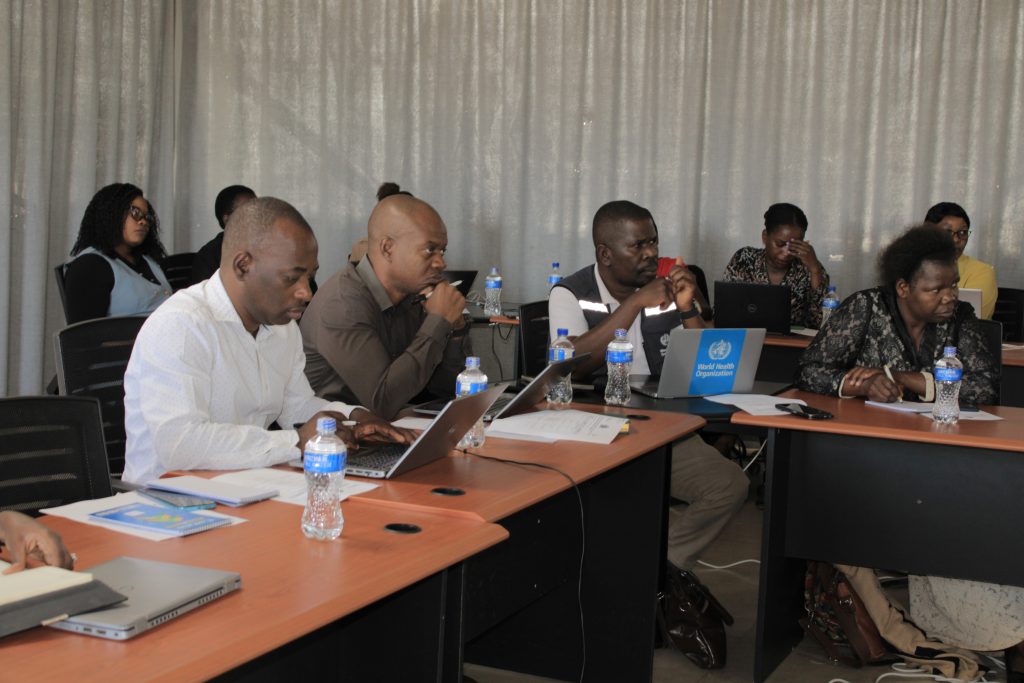
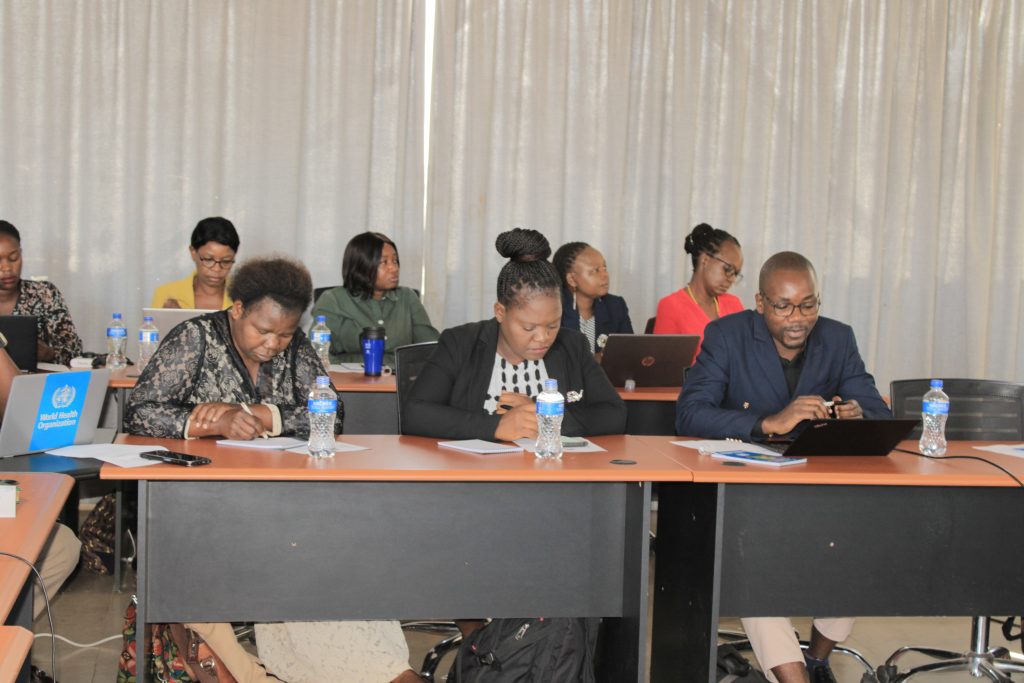
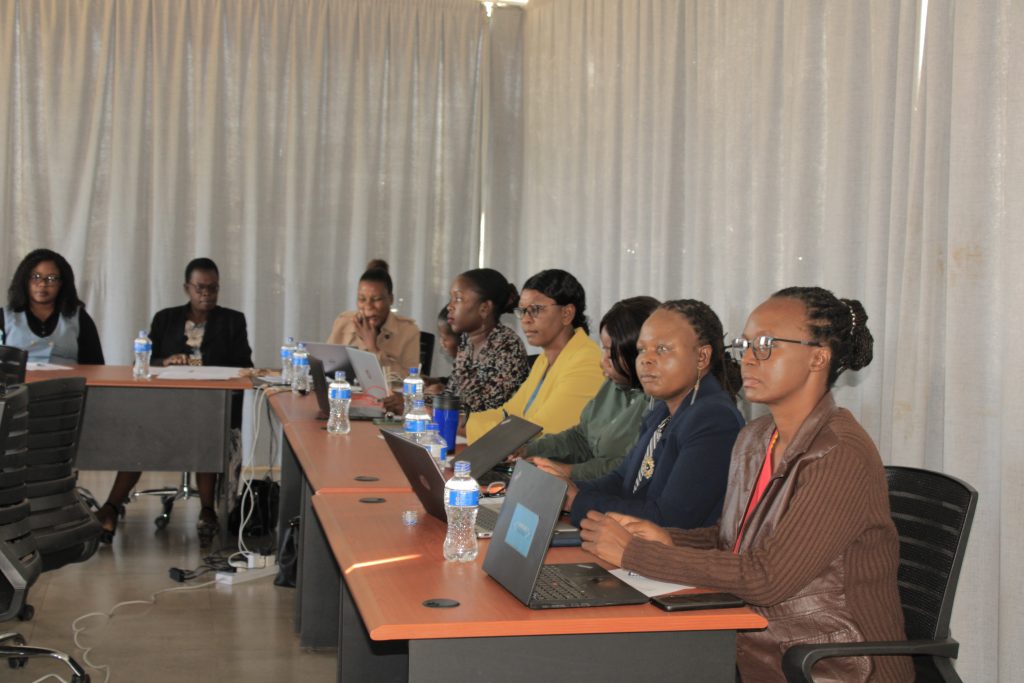
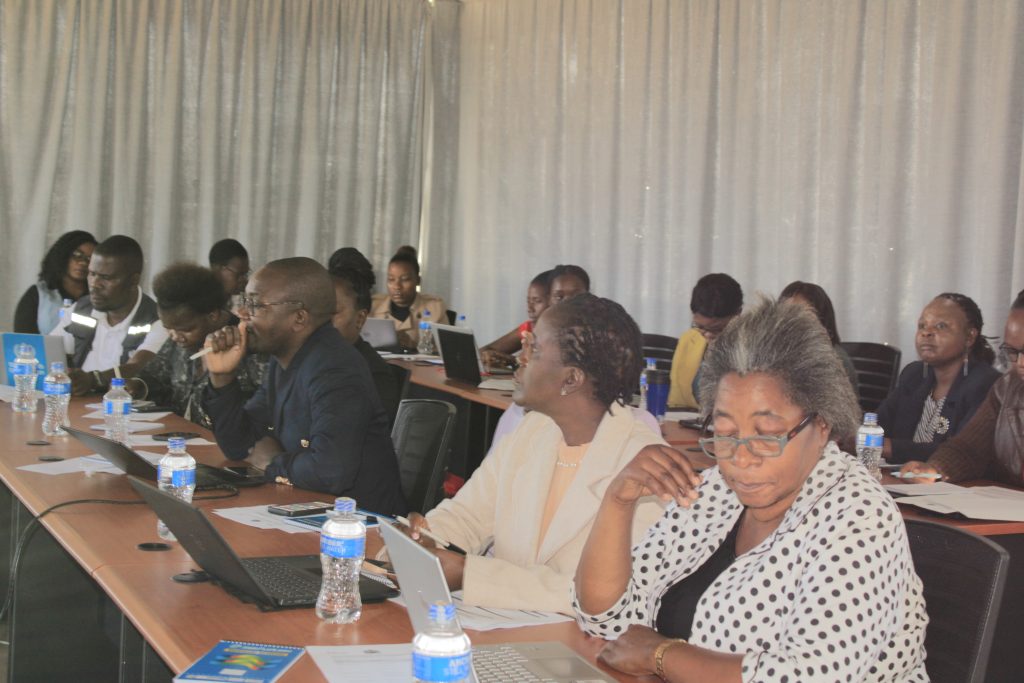
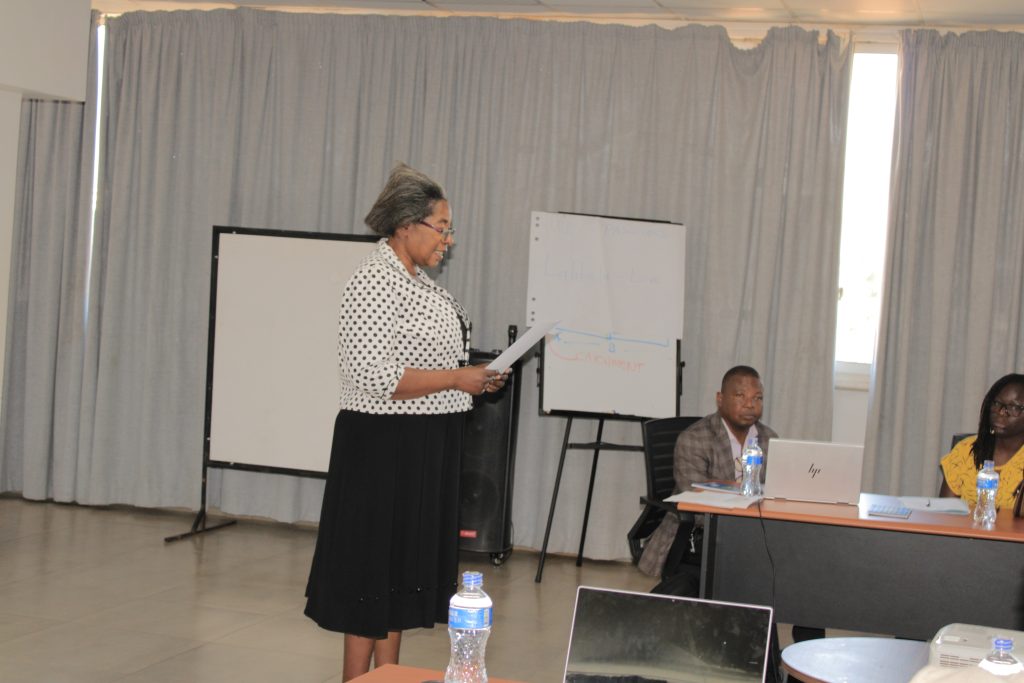
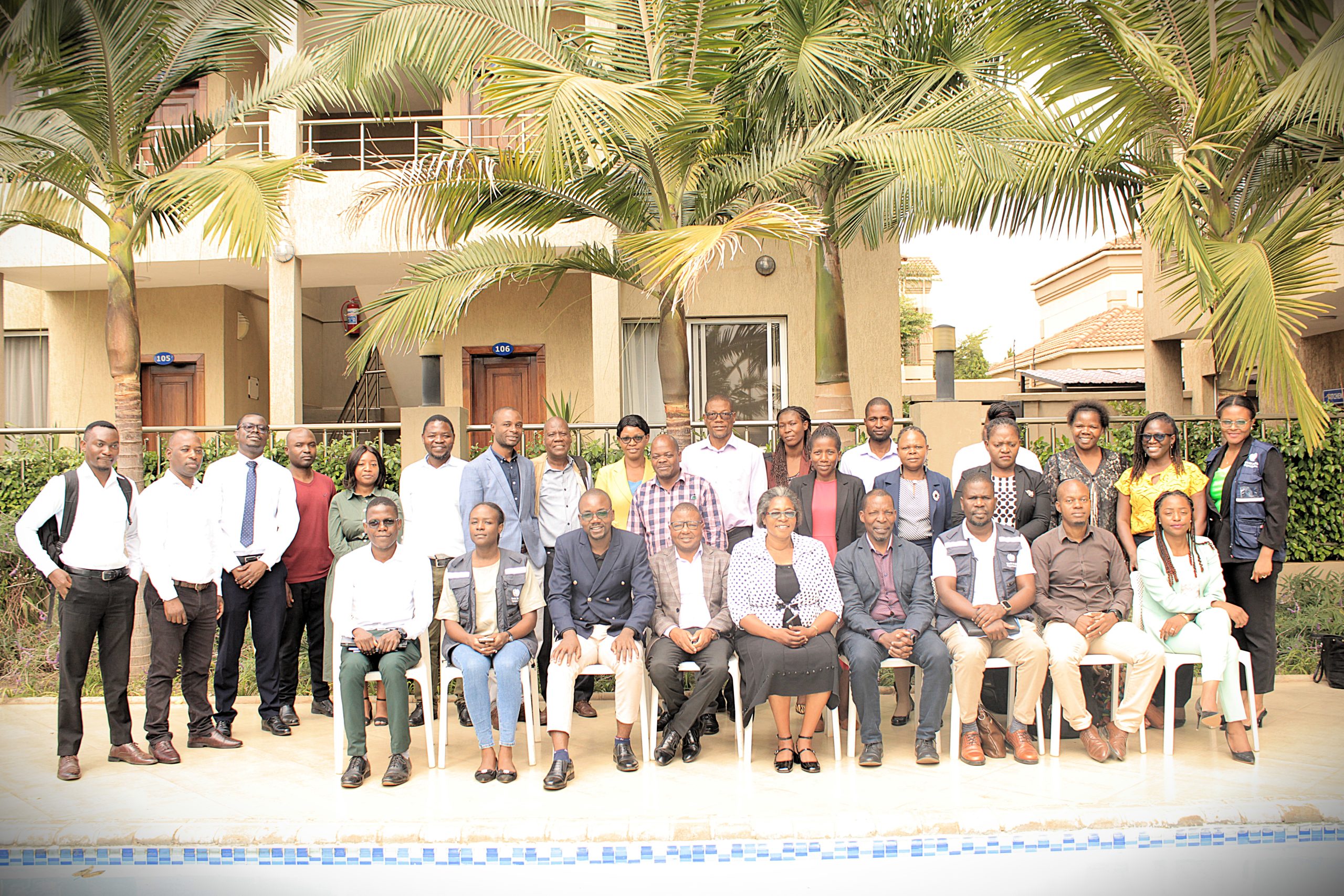
    Group work during training session in Mponela.

    The District-PHEOC serves as the central nervous system for coordinating all activities during a public health emergency within the district. It functions as a hub for information gathering and analysis, resource mobilization and allocation, strategic decision-making, and communication among various responding agencies supporting the district, including government MDAs, NGOs, and international partners.

    By equipping district officers who are often the first responders and key data sources with indepth knowledge of PHEOC protocols, Incident Management Systems (IMS), risk communication strategies, and data reporting mechanisms, PHIM aims to significantly improve interagency synergy and streamline communication channels, clearer roles and responsibilities, and ultimately, a more timely, coherent, and effective response to diverse public health threats, ranging from disease outbreaks to natural disasters with health consequences.
    Dr. Mike Chisema, EPI Manager.
    Dr. Chitsa Banda, Deputy Director Rensiponsible for Research Division.

    dr. Mike chisema and dr. chitsa Banda lecturing.

    Participants in the training include District Environmental Health Officers, Health Surveillance Assistants (HSAs), DODMA officers, clinicians, and other key personnel involved in public health surveillance and response. The curriculum covers essential modules on the PHEOC structure and functions, roles within an Incident Management System, emergency coordination principles, information management, and effective communication during crises.

    Dr. Annie Chauma Mwale-PHIM, led the team of facilitators.

    This training represents a vital investment in our human resources available at the district, stated Dr. Annie Chauma Mwale – PHIM. She said “Empowering our district teams with standardized PHEOC operational skills is fundamental to building a truly resilient national public health system. When the districts are strong and coordinated, the entire national response mechanism functions more effectively, safeguarding the health and well-being of the nation.”

    PHIM plans to extend this vital training to cover all districts in subsequent phases, ensuring nationwide competency in PHEOC operations. This first phase of District – PHEOC training portrays PHIM’s unwavering commitment to proactively strengthening Malawi’s health security architecture. The skills and knowledge imparted during these sessions are expected to be instrumental in ensuring a more coordinated, rapid, and impactful response to any future public health challenges the nation may face.