PHIM Responsive Header

Tag: PHIM

  • Call for applications for the APHR Traineeship Programme.

    Call for applications for the APHR Traineeship Programme.

    PHIM Laboratory Team
    Official Call for Applications

    Applied Public Health Research (APHR) Traineeship Programme

    PHIM-RKI Partnership Programme (October 2026 – December 2028)

    Building institutional capacity and developing a dedicated cohort of research multipliers across PHIM’s core operational divisions.

    Target Audience

    Early- to Mid-Career Staff

    BSc / MSc Qualifications

    Duration

    2 Years (Oct 2026 – Dec 2028)

    3 Workshops + Mentorship

    Cohort Size

    9 Selected Trainees

    R&D, Epi & NPHL Divisions

    Application Deadline

    09 September 2026

    Submit by 23:59 CAT

    Programme Overview

    The Public Health Institute of Malawi (PHIM), in collaboration with the Robert Koch Institute (RKI)—Germany’s national public health institute—is pleased to invite applications from eligible PHIM staff for the Applied Public Health Research (APHR) Traineeship Programme.

    Implemented under the framework of the Team Europe Initiative supporting the Public Health Institute of Malawi (TEI PHIM) and co-funded by the European Union and the German Federal Ministry for Economic Cooperation and Development (BMZ), this 2-year capacity-building programme is designed to strengthen applied public health research competencies across PHIM’s key operational areas.

    Train-the-Trainer (ToT) Multiplier Approach

    The APHR Traineeship aims to establish a high-caliber cohort of public health professionals who will not only advance their own research competencies but also act as trainers and mentors (“multipliers”), systematically cascading knowledge, methodologies, and skills within their respective divisions.

    Partner Institutions & Funding Attribution

    This initiative is jointly organized and supported by leading public health and development entities:

    PHIM Logo

    PHIM

    Public Health Institute of Malawi – Host institution & lead operational body.

    RKI Logo

    Robert Koch Institut

    Germany’s national public health institute – Technical collaboration & mentorship partner.
    GIZ Logo

    GIZ

    Deutsche Gesellschaft für Internationale Zusammenarbeit GmbH – Implementation partner.

    Implemented under Team Europe Initiative (TEI PHIM) Co-funded by the European Union & German Federal Ministry (BMZ)

    What Trainees Gain

    • Free, competency-based training in applied public health research.
    • Hands-on experience leading research projects of direct national relevance.
    • Mentorship from experienced national and international public health researchers.
    • Peer-reviewed publication: Expert support to publish research findings.
    • Policy engagement: Guidance in translating evidence into policy briefs and dialogues.
    • Certificate of Participation upon successful completion.

    What is Expected

    • Full participation across the 2-year programme duration.
    • Attend 3 in-person training workshops and adjacent cohort meetings.
    • Active engagement in monthly online seminars and mentoring sessions.
    • Completion of self-paced e-learning modules and coursework.
    • Conduct a small-scale applied research project in a team setting.
    • Cascade knowledge and skills to colleagues within PHIM.

    Curriculum Framework & Research Areas

    The programme provides a broad, competency-based curriculum grounded in the WHO Global Competency and Outcomes Framework (2024), tailored specifically to PHIM’s operational research priorities. It addresses core competencies under the Essential Public Health Function 11 (EPHF 11) across the complete research cycle:

    Priority Setting
    Protocol Development
    Ethics & Governance
    Data & Analysis
    Scientific Writing
    Knowledge Translation

    Three Strategic Focal Research Areas

    Aligned with Malawi’s National Health Research Agenda II (2023–2030), trainees will execute team projects in one of the following key pillars:

    Area 1

    Universal Health Coverage (UHC)

    Addressing health systems, equitable access, and essential healthcare delivery.

    Area 2

    RMNCH

    Reproductive, Maternal, Newborn, and Child Health clinical & population research.

    Area 3

    Health Security

    Surveillance, disease outbreak readiness, emergency response, and diagnostics.

    Indicative Time Commitment

    Applicants must ensure they can allocate sufficient time to complete all traineeship components alongside their operational duties:

    Programme Activity Estimated Time Commitment
    3 In-Person Workshops + Cohort Meetings Approx. 7 days each (8 hours/day)
    Live Online Group Sessions & Webinars 2 hours per month
    Self-Directed E-Learning & Exercises At least 2 hours per month
    Applied Research Activities At least 4 hours per month
    Cascading Training at PHIM (ToT) Preparation & delivery schedule TBC

    Eligibility Criteria & Cadre Scope

    PHIM Divisional Representation & Cadre Scope

    Open to active early- to mid-career technical officers, researchers, lab scientists, and public health staff serving in PHIM’s 3 core operational divisions: Research and Development (R&D), Epidemiology and Surveillance, or National Public Health Laboratories (NPHL).

    Educational Background

    Must hold a Bachelor’s or Master’s degree in public health, epidemiology, biomedical science, medicine, or a related discipline. Note: Candidates who already hold a PhD will not be considered.

    Research Motivation & Commitment

    Demonstrate a strong interest in applied public health research and commit to participating in all traineeship activities across the full 2-year timeline.

    Multiplier Potential & Capacity

    Willingness and professional standing (or demonstrated potential) to serve as a trainer and cascade learning to colleagues within their division.

    Supervisor Endorsement

    Provide written confirmation and signature from your direct supervisor agreeing to grant protected time for all programme activities.

    Application Checklist

    Complete packages must be submitted by email before the deadline.

    • Expression of Interest: Max 500 words addressing motivation, alignment with role, commitment, focal area choice, and cascading plan.
    • Curriculum Vitae (CV): Up-to-date, maximum 2 pages highlighting qualifications and experience.
    • Participant Application Form: Completed and signed (Annex 1).
    • Supervisor Endorsement: Official signature on Section F of the form.
    Download Application Form (.docx)

    Key Programme Timeline

    1

    26 August 2026

    Applications Open

    Call launched across PHIM divisions.

    2

    09 September 2026

    Submission Deadline

    All documents must be received by 23:59 CAT.

    3

    09–25 September 2026

    Selection Review Process

    Competitive evaluation by PHIM-led committee.

    4

    28 September 2026

    Applicants Notified

    Selected cohort of 9 trainees announced.

    October 2026

    Traineeship Commencement

    Programme runs through December 2028.

    Submission & Enquiries

    Submit all complete application components or send general inquiries to the Programme Coordinator:

    Contact Person

    Ms. Bessie Phiri

    phim-rki@health.gov.mw

    Participation is free of charge. Workshop travel and project research expenses are fully covered by the programme.

    Joint Partnership & Technical Collaboration

    Public Health Institute of Malawi (PHIM) · Robert Koch Institute (RKI) · Deutsche Gesellschaft für Internationale Zusammenarbeit (GIZ)

    Authored & Published By

    Penjani Phiri & Moses Nyambalo Phiri

    Public Health Institute of Malawi

    Ministry of Health, Republic of Malawi
  • IDSR Epidemiological Bulletin – Week 27.

    IDSR Epidemiological Bulletin – Week 27.

    IDSR Bulletin Dashboard – Week 27, 2026

    Weekly IDSR Bulletin

    Epidemiological Week 27 (29 June – 5 July, 2026)

    Status: Official Release Published: July 15, 2026

    Editorial Team

    Dr. Matthews Kagoli
    Mrs. Flora Dimba
    Mr. Settie Kanyanda
    Mr. Austin Zgambo
    Mr. Selemani Ngwira
    Mr. James Jere
    Mr. Noel Khunga
    Mr. Vincent Kamforzi
    Mr. Lwitikano Kaira
    Mrs. Ella Chamanga
    COMPLETENESS
    95.0%
    TIMELINESS
    80.0%
    MALARIA
    18,603
    EBS SIGNALS
    48
    TYPHOID
    42
    CHOLERA (S)
    0

    I. Performance & Surveillance

    Reporting Completeness & Timeliness Analysis

    Detailed Bulletin Analysis

    The national reporting performance for Epidemiological Week 27 has registered a stable completeness rate of 95.0% (remaining unchanged from Week 26). However, reporting timeliness on the One Health Surveillance Platform (OHSP) experienced a sharp drop, sliding from 93.0% in Week 26 down to 80.0% in Week 27. This sudden slide highlights mounting subnational administrative friction and clinical platform entry bottlenecks, reducing the timeliness of integrated alert tracking across the territory.

    At the subnational level, completeness remains high. All health zones and Central Hospitals successfully met the minimum target of 80% completeness (Central East, Central West, South West, and Central Hospitals all achieved 100.0%, while North achieved 92.2% and South East achieved 98.2%). However, timeliness parameters revealed severe regressions: Central Hospitals reached only 50.0% timeliness, and the South East Zone registered only 70.2% timeliness, both failing to meet the national minimum threshold of 80%.

    At the district reporting level, out of the 33 designated national reporting sites, 24 (73%) successfully achieved the target of 80% or greater on both surveillance metrics. Key sites failing specific thresholds have changed in Week 27. Districts including Nkhotakota, Machinga, Nsanje, Zomba, Mzuzu Central Hospital, and Queen Elizabeth Central Hospital failed to surpass reporting timeliness targets. Additionally, Likoma (100.0% completeness, 33.0% timeliness), Balaka (100.0% completeness, 48.0% timeliness), and Rumphi (94.0% completeness, 50.0% timeliness) failed to meet the minimum target for both completeness and timeliness metrics.

    To reverse this operational lag and preserve optimal platform sensitivity, the National IDSR Secretariat directs immediate remedial measures. IDSR coordinators and Zonal Epidemiology Officers must ensure timely verification and validation of clinical data immediately after facility focal points submit weekly forms. District Health Officers in underperforming zones, particularly Likoma, Balaka, Rumphi, Nkhotakota, Machinga, Nsanje, Zomba, Mzuzu CH, and QECH, must implement administrative audits to eliminate data entry delays and platform entry bottlenecks.

    II. Disease Morbidity

    Malaria Morbidity & Mortality

    Detailed Bulletin Analysis

    Malaria continues to stand as the dominant clinical and priority condition under active surveillance in Malawi, with Epidemiological Week 27 recording a national burden of Confirmed cases totaling 18,603 (including OPD and IPD cases) alongside 1 associated inpatient death. High-burden districts represent key transmission hotspots requiring continuous vector control monitoring, particularly Chikwawa DHO (1,880 cases), Mangochi DHO (1,843 cases), Blantyre DHO (1,497 cases), and Lilongwe DHO (1,109 cases).

    When contrasted with the preceding baseline in Epidemiological Week 26, the malaria data reveals an encouraging decrease of 8.67% in weekly cases (dropping from 20,369 down to 18,603 cases). Most significantly, confirmed inpatient deaths declined from 5 in Week 26 to 1 in Week 27, suggesting stable therapeutic timing and rapid response by clinical case management teams across central facilities during this cycle.

    To sustain this downward transmission trend and prevent fatal outcomes, we recommend that the National Malaria Control Program continues to coordinate antimalarial supply chain audits to ensure uninterrupted stocks of ACTs and RDTs. Clinical supervisors should conduct a rigorous mortality audit on the single recorded death to ensure therapeutic timing protocols were met. Concurrently, Health Surveillance Assistants (HSAs) must continue scale up community awareness campaigns emphasizing early care-seeking behaviors for febrile illnesses.

    Enteric Diseases (Typhoid & Diarrhoea)

    Detailed Bulletin Analysis

    The surveillance of waterborne enteric pathogens in Epidemiological Week 27 has flagged persistent transmission risks. Waterborne enteric diseases remain highly prevalent, with Diarrhoea with blood (Bloody Diarrhoea) cases recorded at 663 and Typhoid fever cases recorded at 42 (OPD and IPD Typhoid cases). Waterborne disease transmission remains a persistent threat, demanding a rapid transition from passive clinical tracking to active environmental health interventions.

    When compared to the baseline figures from Epidemiological Week 26, the enteric profile shows a mixed trajectory. Typhoid fever cases decreased by 10.6%, declining from 47 cases in Week 26 down to 42 cases in Week 27. Conversely, Bloody Diarrhoea cases rose slightly, moving from 629 cases to 663 cases. Geographically, a notable concentration of Typhoid cases remains localized within Mchinji DHO (25 cases) and Lilongwe DHO (9 cases), representing the primary share of the national enteric load in Week 27.

    Based on these findings, we recommend that Blantyre and Mchinji DHOs implement targeted interventions against Typhoid being reported in the districts. Stool and blood cultures must be collected from suspected cases to monitor potential antimicrobial resistance patterns and guide precise therapy. Concurrently, environmental health officers must implement localized water treatment protocols, distribute chlorine solutions, and conduct hygiene sanitization campaigns to break enteric transmission chains.

    III. Critical Alerts & Mortality

    Cholera and Mpox Status

    Detailed Bulletin Analysis

    Epidemiological Week 27 recorded zero (0) new suspected cholera cases, zero (0) new confirmed cases, and zero (0) deaths, reflecting strong containment. On the zoonotic disease front, Mpox surveillance detected zero (0) new confirmed cases and two (2) alerts. This keeps the cumulative national total stable at 158 confirmed cases and 4 cross-border cases since the outbreak began in April 2025. Lilongwe district represents 75.8% (119 cases) of the national load with a case fatality rate (CFR) of 0.63% (1 death on 10 August 2025).

    A comparison with Epidemiological Week 26 shows that Cholera suspected cases dropped from 1 in Week 26 to 0 in Week 27. Since the season started on 1 November 2025, Malawi has recorded a cumulative total of 3,009 cholera cases, including 319 laboratory-confirmed cases and 460 epidemiologically linked cases, alongside 5 deaths (CFR 0.65%). Geographically, 26 of Malawi’s 29 districts have reported at least one suspected case. Meanwhile, Mpox transmission remained completely silent, matching the zero confirmed case baseline from the previous week.

    To maintain this Cholera downward trend, the National Incident Management System must continue to direct emergency water, sanitation, and hygiene (WASH) resources to high-incidence hotspots. Oral Cholera Vaccine (OCV) campaigns in selected hotspot districts have achieved a total of 612,477 doses administered (101.3% coverage). For Mpox, District Rapid Response Teams (DRRTs) must remain alert, enforcing active cross-border screening and coordinating with Mozambique and Tanzania to ensure immediate detection of any imported cases.

    SARI & Respiratory Mortality

    Detailed Bulletin Analysis

    Severe Acute Respiratory Infections (SARI) presented 82 clinical cases and zero (0) inpatient deaths during Epidemiological Week 27. The severe respiratory burden continues to affect central districts, with Kamuzu Central Hospital (KCH) reporting 40 SARI cases (48.8% of the national load). Other districts with active respiratory caseloads include Nkhotakota DHO (7 cases), Neno DHO (7 cases), and Dowa DHO (6 cases). This concentration highlights the need for continuous sentinel respiratory surveillance and clinical preparedness in tertiary facilities.

    When evaluated against the preceding baseline in Epidemiological Week 26, the SARI surveillance data displays a slight upward shift in morbidity but positive progress in clinical mortality. National SARI cases rose from 71 cases in Week 26 to 82 cases in Week 27. Concurrently, SARI-associated deaths fell from 1 down to 0. This lack of clinical mortality is encouraging, yet clinical teams must remain highly vigilant to identify and respond to seasonal respiratory pathogens, such as Influenza A/B or RSV.

    We recommend that clinical teams at Kamuzu Central Hospital and other sentinel hospitals continue to systematically collect nasopharyngeal swabs from SARI patients for PCR diagnostic analysis. Healthcare facilities must ensure that pediatric oxygen delivery systems, clinical nebulizers, and essential respiratory therapeutics remain fully functional. Furthermore, clinicians must continue to document and report SARI cases on the OHSP, allowing public health teams to identify and respond to any new respiratory anomalies quickly.

    IV. Vaccine Preventable Diseases

    Measles & VPD Surveillance Distribution

    Detailed Bulletin Analysis

    Vaccine-Preventable Disease (VPD) surveillance remains a high-priority public health activity. In Week 27, Malawi reported 73 new suspected measles alerts, bringing the cumulative alerts to 1,690 with 695 confirmed measles-rubella cases in 2026. Cumulative laboratory-confirmed cases are distributed across 24 districts, with Balaka reporting the highest proportion at 20.9% (80 cases) and Nsanje at 17.8% (68 cases). Under the IDSR framework, Acute Flaccid Paralysis (AFP) surveillance recorded 0 cases, and Meningococcal meningitis recorded 12 cases (with 0 deaths), highlighting the need for active case searching.

    When compared to Epidemiological Week 26, weekly Measles alerts rose slightly, moving from 69 cases to 73 cases. AFP alerts fell from 5 cases in Week 26 to 0 cases in Week 27. Conversely, suspected Meningococcal meningitis cases rose slightly, moving from 9 cases in Week 26 up to 12 cases in Week 27, requiring immediate laboratory verification. Polio outbreak containment remains a high priority following the confirmation of 16 environmental sewage isolates since January 2026, with Round 3 of the nOPV2 campaign completed, achieving 105% coverage.

    We recommend that the Expanded Programme on Immunisation (EPI) continues targeting high-burden districts, particularly Balaka, Nsanje, and Chikwawa, with supplemental vaccination and outreach, while Dedza and Machinga districts require close monitoring. For vaccine safety parameters, district surveillance networks must coordinate with national labs. To prevent poliovirus spread, active community-level surveillance must be prioritized alongside preparations for subsequent vaccination campaigns, and the measles situation in Balaka district must receive focused attention.

    V. Summary of Recommendations

    1. Reporting Quality & District Targets

    Rumphi, Balaka, and Likoma DHOs must implement immediate data validation procedures to improve completeness and timeliness back to target levels of greater than or equal to 80%, while Nkhotakota, Machinga, Nsanje, Zomba, Mzuzu Central Hospital, and Queen Elizabeth Central Hospital must focus specifically on timeliness.

    2. Enteric & Outbreak Targeted Interventions

    Blantyre and Mchinji DHOs are directed to implement targeted interventions against Typhoid fever being reported in the districts, while Balaka, Chikwawa, and Nsanje districts must receive focused attention regarding their measles situation. Nkhata-bay DHO should investigate community-reported signals.

    3. AEFI Safety Investigation

    Mzimba-North district is directed to perform a detailed vaccine safety investigation on the 35 reported Adverse Events Following Immunization (AEFI) out of 64 nationally to maintain high community trust in routine childhood immunizations.

    Official Documentation

    Access the full PDF bulletin for Epidemiological Week 27, 2026, including detailed district-level performance tables and data annexes. You can verify and cross-reference these statistics in the official document named IDSR Epi Bulletin_Week 27_Malawi.pdf.

    Authored & Published By

    Moses Nyambalo Phiri

    Public Health Institute of Malawi

    Ministry of Health, Republic of Malawi

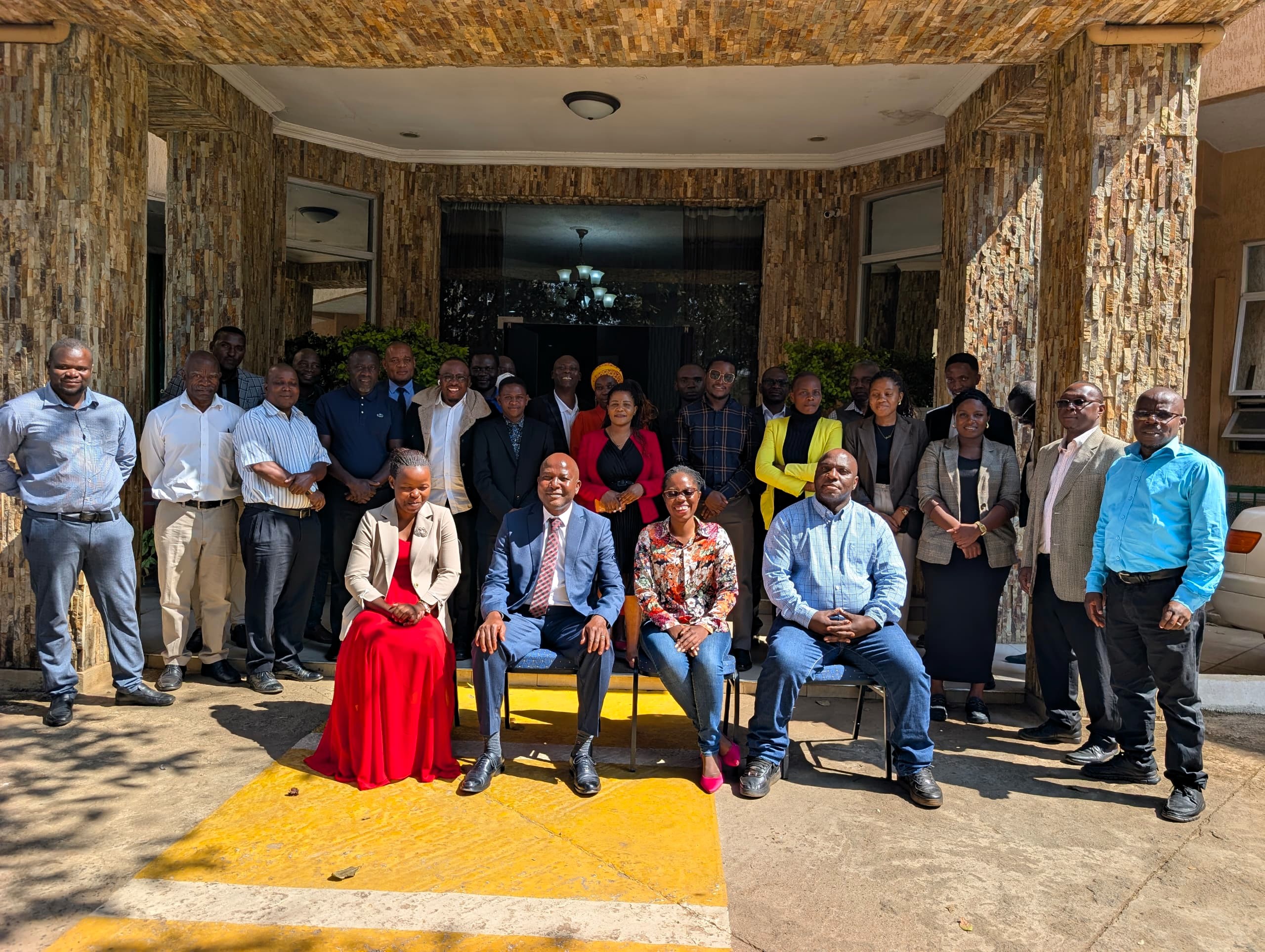
  • PHIM and WHO Strengthen National One Health Observatory for Enhanced Public Health Monitoring.

    PHIM and WHO Strengthen National One Health Observatory for Enhanced Public Health Monitoring.

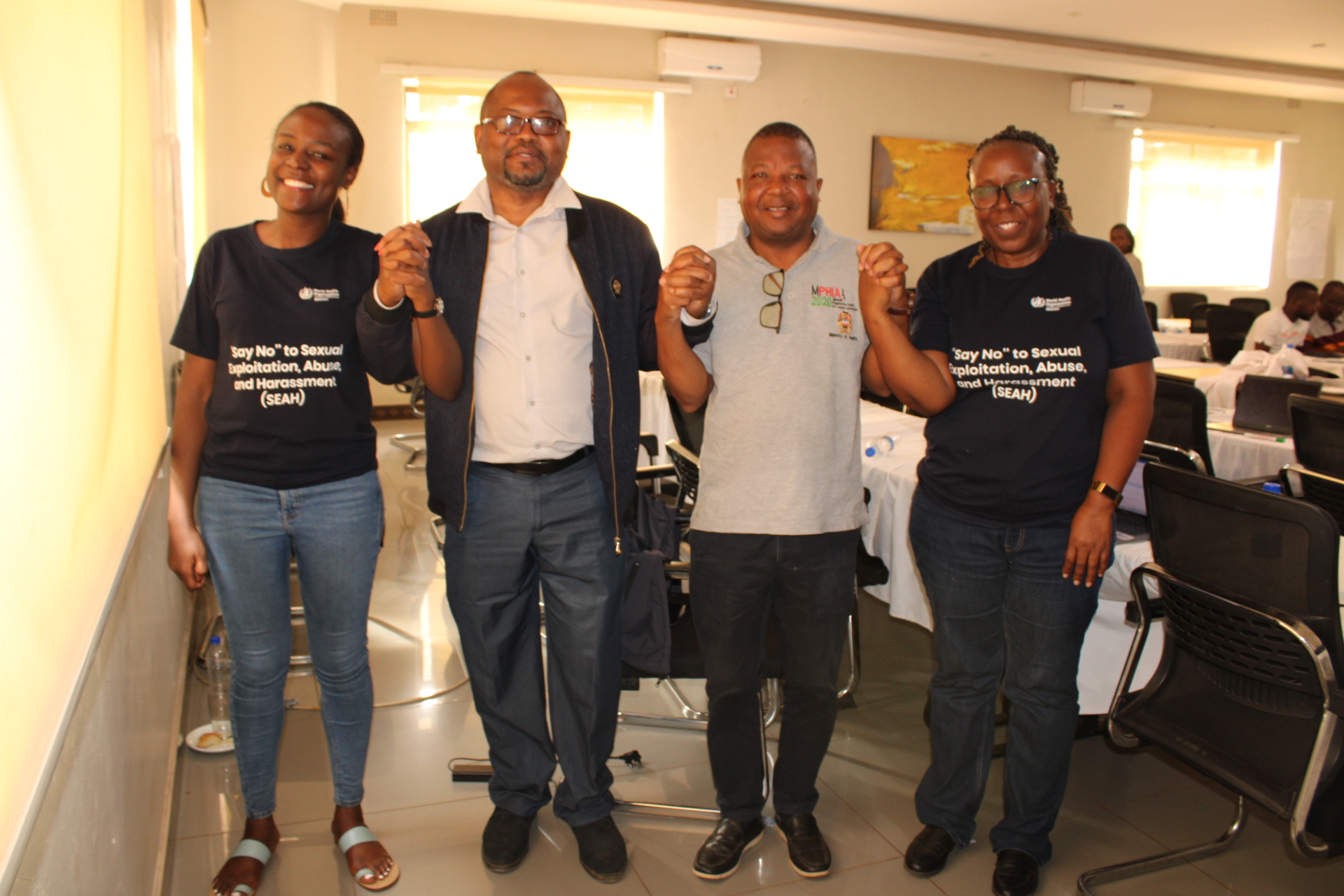
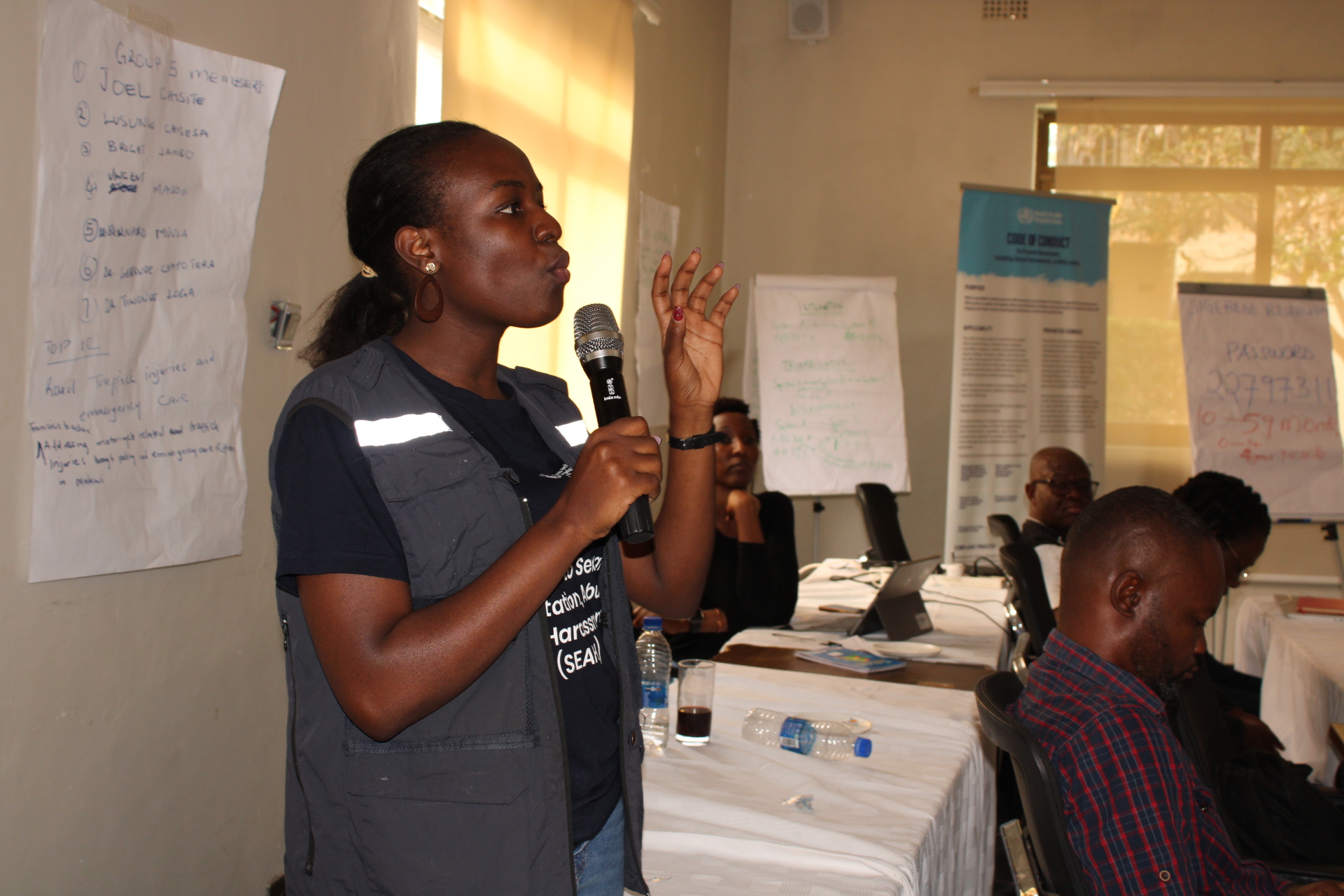
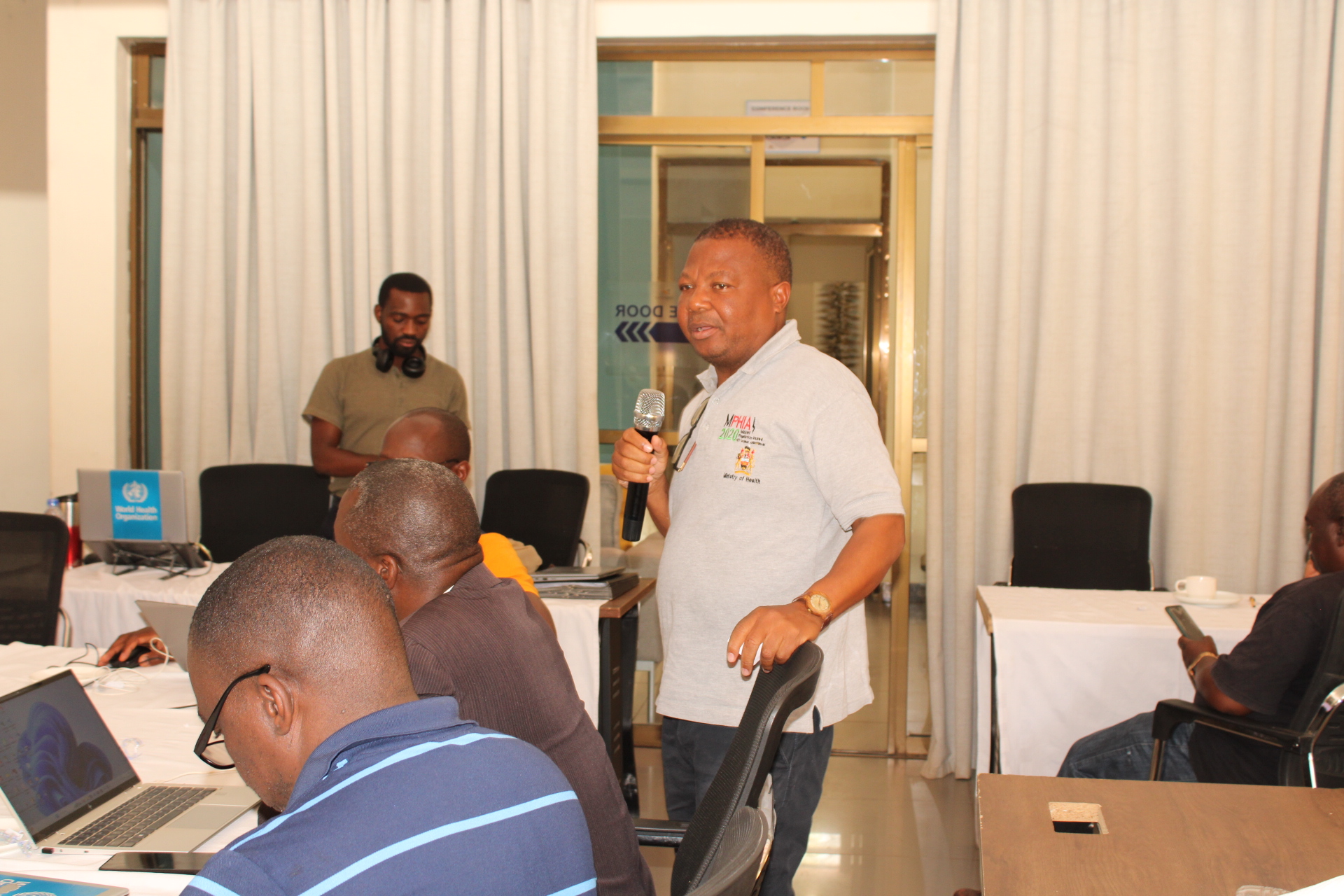
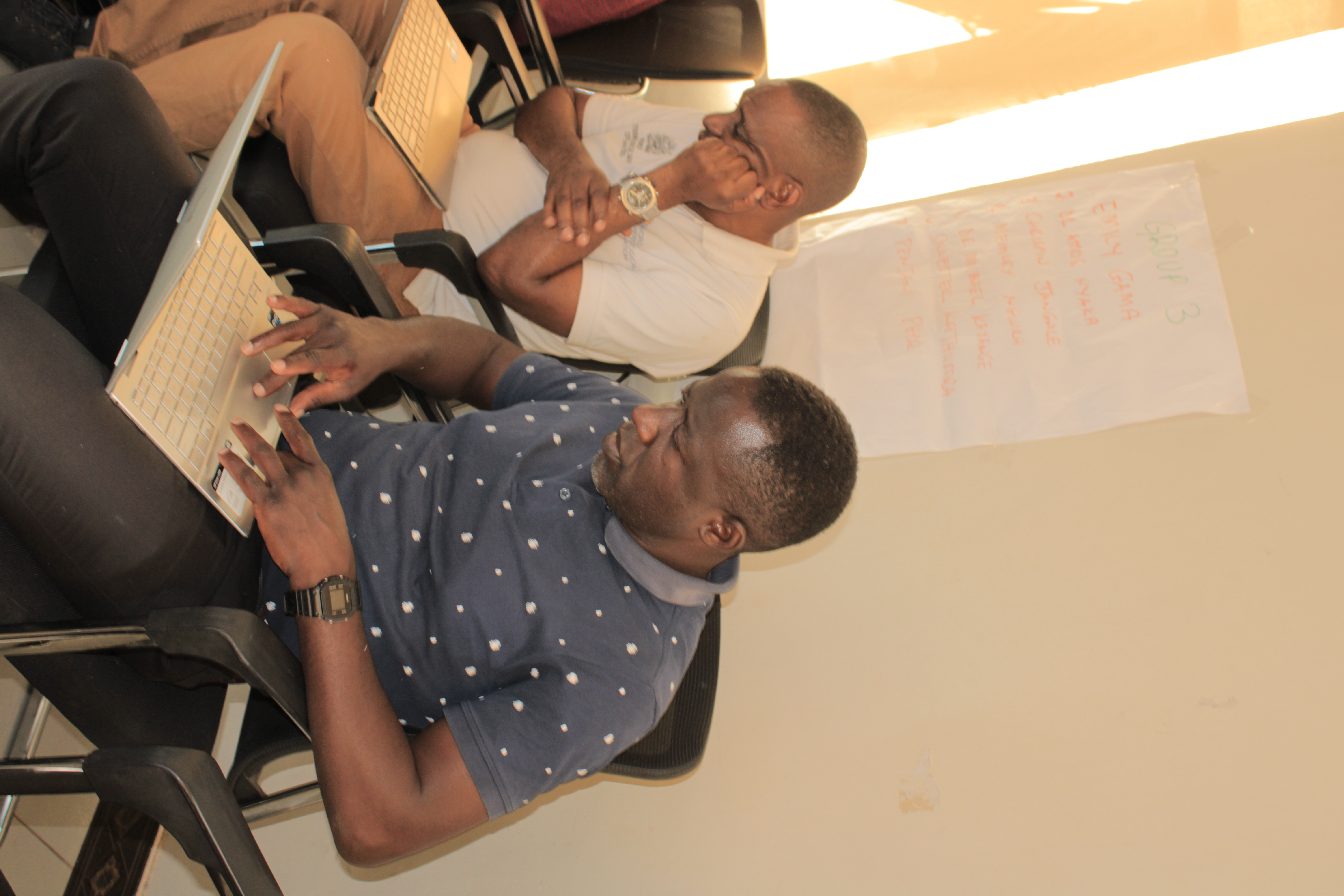
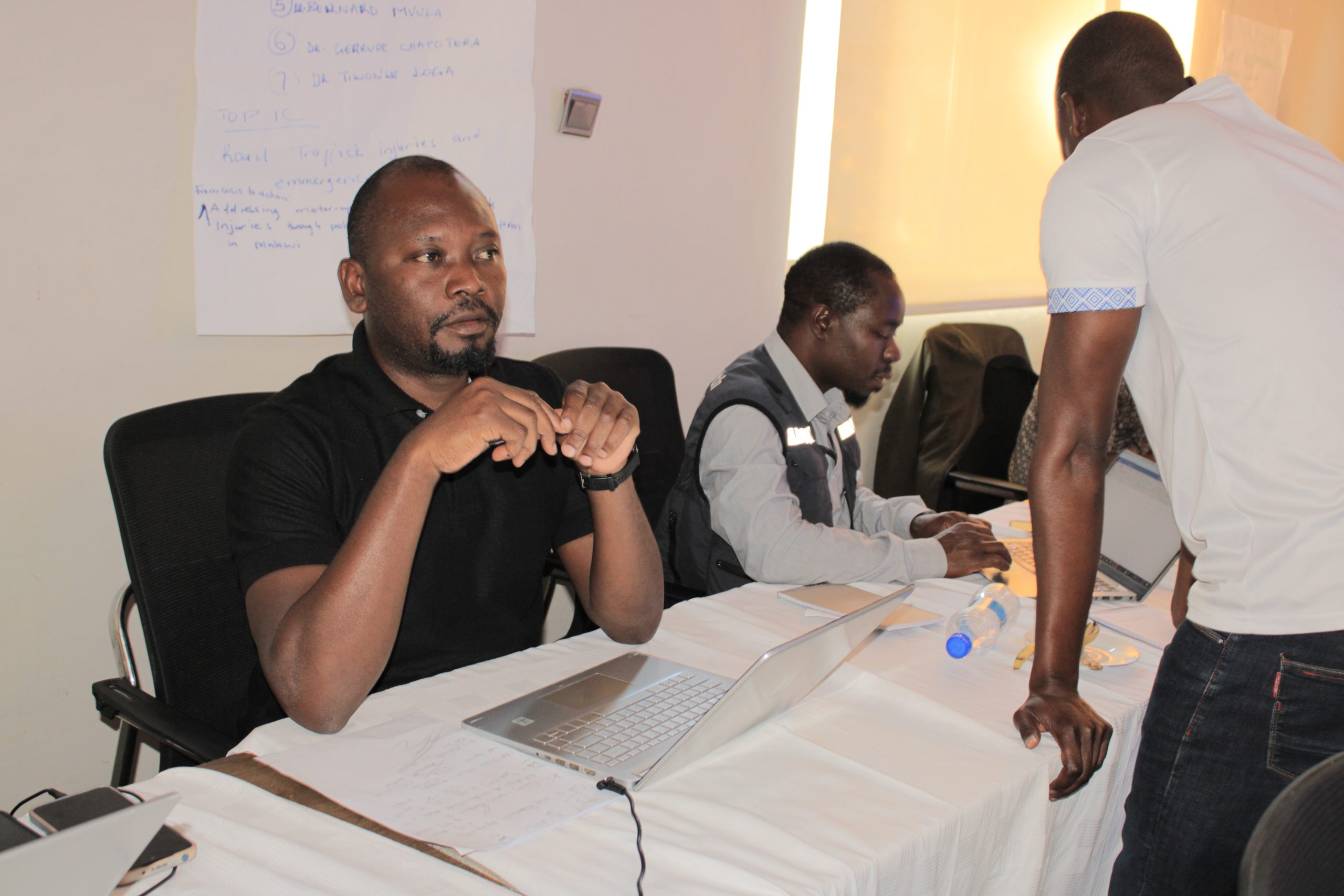
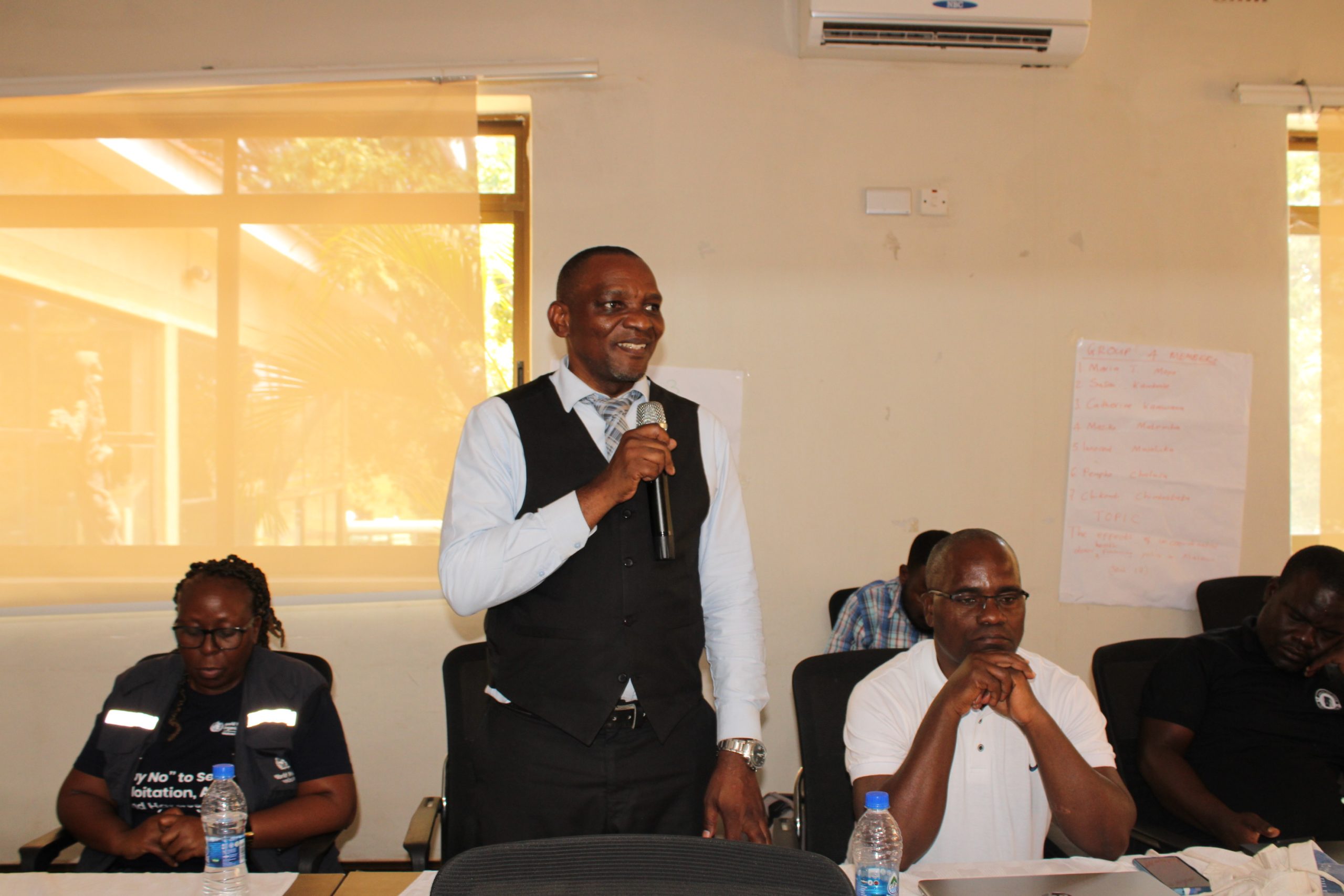
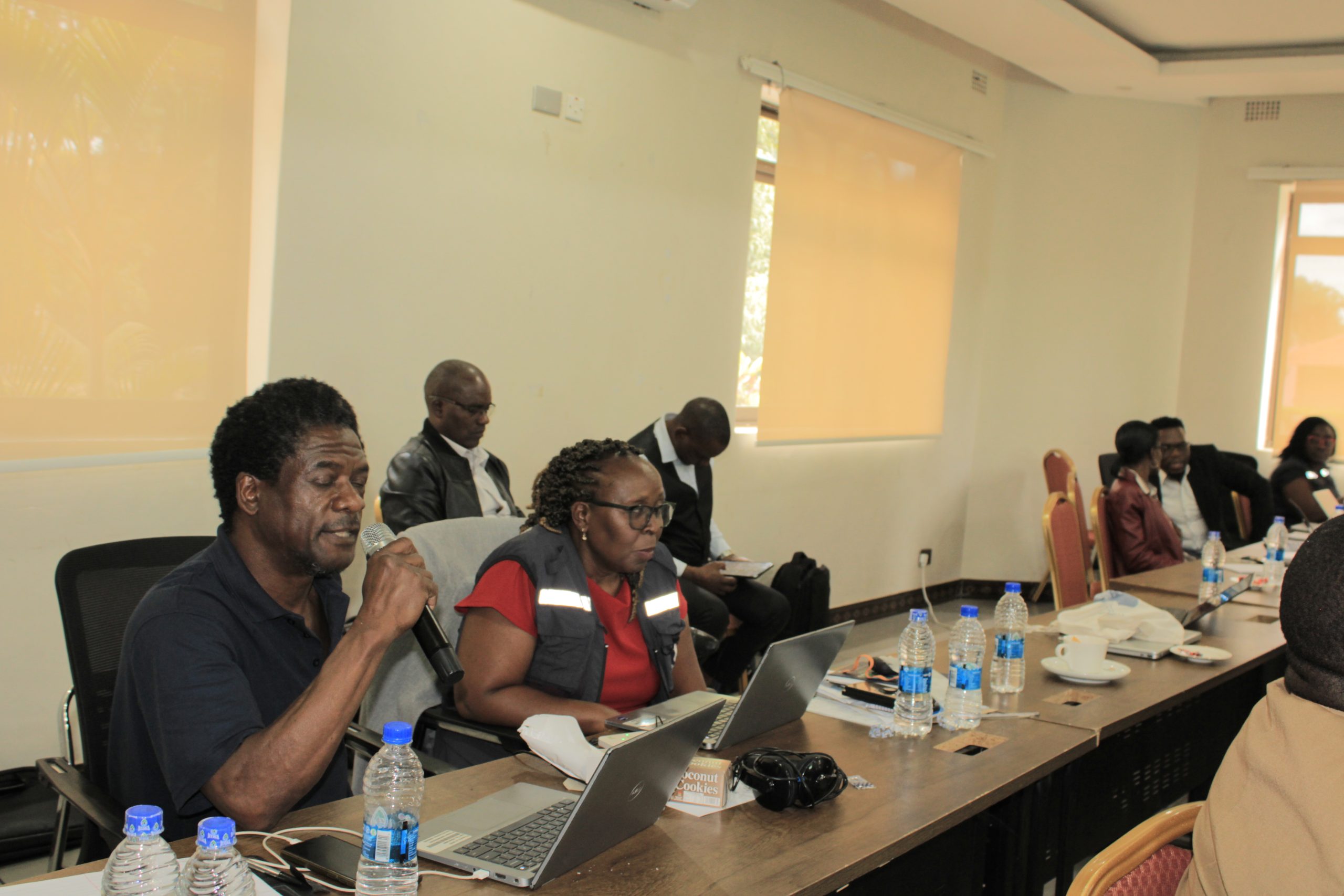
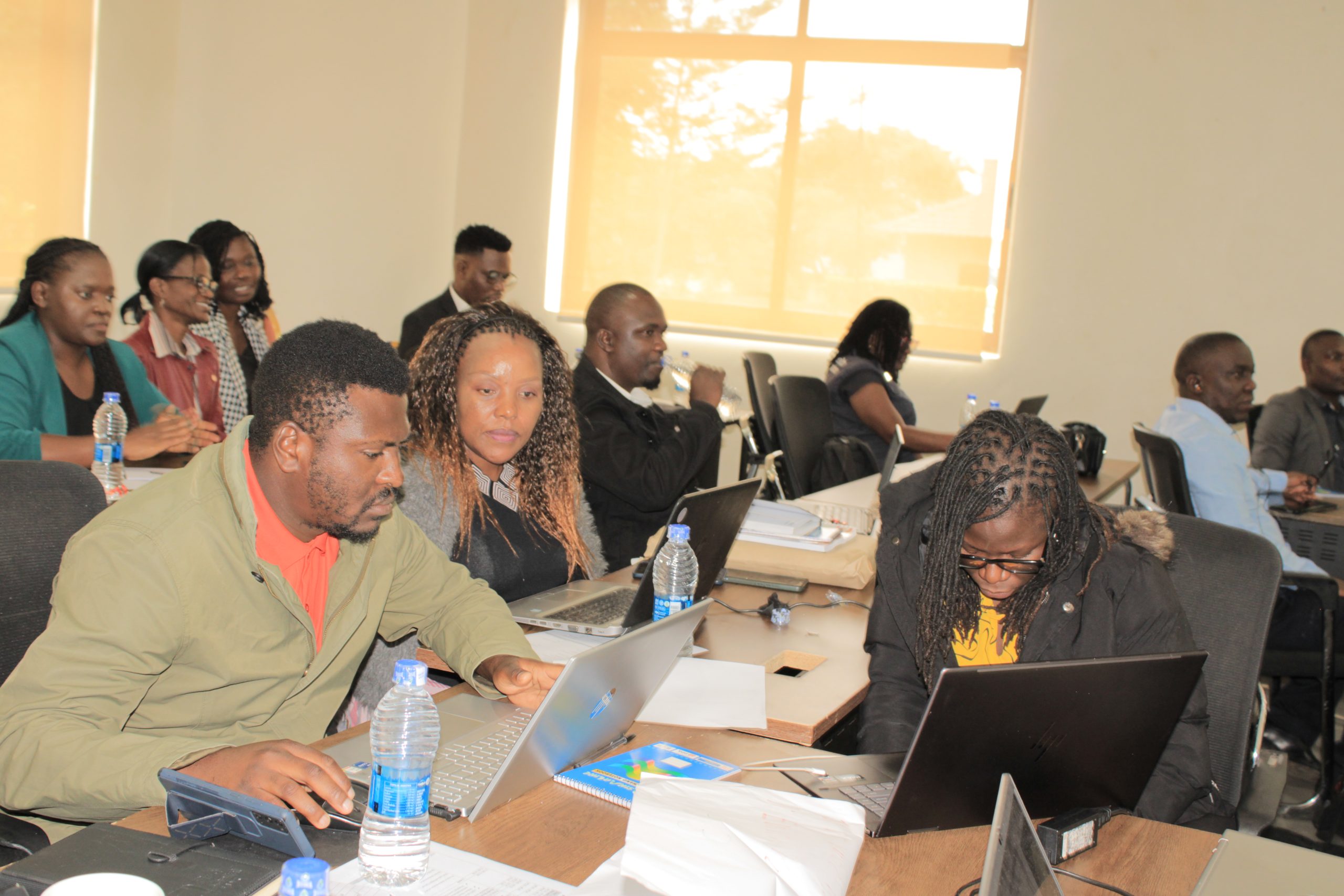
    One Health Observatory Worksop.

    Salima, Malawi June-2025..
    by
    Moses Nyambalo Phiri in collaboration with Dr. Bernard Mvula, Hamdan Saidi and Settie Kanyanda.

    PHIM has conducted its National One Health Observatory (NOHO) Workshop, a significant step towards strengthened its public health infrastructure.This workshop held at Sigelege, Salima, that brought together approx 72 officers across different directorates and programs including Interagency coordination office situated under the Office of the President and Cabinet, and was technically and financially supported by WHO.

    The NOHO integrates data from key sectors including health, agriculture, water, and the environment. This multi-sectoral approach aligns with the national One Health strategy, aiming to improve evidence-based decision-making, as indicated by a 2019 study by Vesterinen Id et al.

    Key objectives included strengthening capacity for generating actionable knowledge products (e.g., policy briefs, infographics, blogs), validating national indicator data, identifying gaps, proposing new indicators, and fostering collaboration in data governance and dissemination. A national roadmap for sustained observatory use was
    also developed. The NOHO holds significant implications for Malawi as it is expected to increase the country’s global visibility through centralized, quality data for policymaking.

    Furthermore, it will facilitate indicator harmonization, reinforce multisectoral collaboration via the One Health Approach, and improve data quality and dissemination. This initiative also aligns Malawi’s systems with the WHO-supported African Health Observatory framework, enabling effective tracking of Universal Health Coverage (UHC) progress.

    In his opening remarks, Mr. Joseph Bitilinyu Bango, Deputy Director rensiponsible for PHL, PHIM emphasized “This initiative is set to transform how Malawi gathers, analyzes, and utilizes health-related data, leading to more informed policy decisions and a healthier future for its citizens.”