PHIM Responsive Header

Tag: October 2026

  • IDSR Epidemiological Bulletin – Week 41.

    IDSR Epidemiological Bulletin – Week 41.

    IDSR Bulletin Dashboard – Week 41, 2026

    Weekly IDSR Bulletin

    Epidemiological Week 41 (5th – 11th October, 2026)

    Status: Official Release Reporting Rate: 95% Maintained Published: 18th October 2026

    Editorial Team & Contributors

    Dr. Matthew Kagoli
    Mrs. Flora Dimba
    Austin Zgambo
    Noel Khunga
    James Jere
    Sikhona Chipeta
    Lusungu Banda
    Vincent Kamforzi
    MALARIA CASES
    19,823
    12 Inpatient Fatalities
    COMPLETENESS
    95.0%
    Target ≥ 80% (Stable)
    TIMELINESS
    95.0%
    Target ≥ 80% (Stable)
    BLOODY DIARRHOEA
    740
    0 Deaths
    MEASLES ALERTS
    53
    13 Epi-Linked Cases
    EBS SIGNALS
    30
    14 Verified Events

    I. Main Epidemiological Feature: Disease & Event Burden in Epi Week 41

    National Feature Epi Week 41 Summary

    Malaria Reaches 19,823 Cases with 12 Deaths as Measles Alerts Rise to 53

    In Epidemiological Week 41, Malaria generated 19,823 cases nationwide alongside 12 fatalities. Public health surveillance also logged 53 new Measles alerts, 740 cases of bloody diarrhoea, 84 AEFI cases, 80 Typhoid cases, 77 SARI cases (2 deaths), 8 Meningococcal meningitis cases, 6 Maternal deaths, and 2 AFP cases.

    • Malaria Burden: Total reported cases increased slightly to 19,823 with severe malaria clinical outcomes resulting in 12 inpatient fatalities.
    • Measles & Vaccine-Preventable Diseases: 53 new alerts reported in W41 with 13 epi-linked cases. Nsanje has accumulated 523 cumulative cases and Balaka 494 cases since January 2026.
    • Respiratory & Meningeal Conditions: Severe Acute Respiratory Infections recorded 77 cases with 2 deaths, while Meningococcal meningitis recorded 8 cases with 0 deaths.
    Strategic Action Directives

    Case Management & Triage: Health facilities must reinforce early severe malaria clinical protocols and ensure continuous supply of mRDTs, parenteral Artesunate, and ACTs.

    Immunization Coverage: EPI teams must target persistent localized measles transmission pockets in Nsanje, Balaka, and neighboring outbreak districts.

    Priority Disease & Condition Alerts (Epi Week 41)

    Distribution of reported priority conditions and outpatient/inpatient alerts nationwide

    Highest Alert Volume Bloody Diarrhoea (740)
    Vaccine Alerts AEFI (84) / Measles (53)
    Severe Fatalities Malaria (12) / SARI (2) / Maternal (6)

    II. Health System Reporting Performance

    1. National Reporting Trend (W28 – W41)

    Analysis & Insights

    Analytics: National IDSR reporting maintained its strong performance trajectory in Week 41, holding steady at 95% for both completeness and timeliness on the One Health Surveillance Platform (OHSP).

    Insights: Following the temporary drop to 90% in Week 39, the prompt recovery to 95% in Week 40 was successfully sustained into Week 41, reflecting effective supervisory tracking across reporting units.

    Recommendations: Maintain active routine monitoring and system support on OHSP to sustain performance above the 80% national threshold.

    2. Zonal Reporting Rates (Week 41)

    Analysis & Insights

    Analytics: All health zones and Central Hospitals met or exceeded the 80% national reporting threshold. Central Hospitals and South West achieved 100% completeness and timeliness. South East scored 97% completeness and 97% timeliness, Central East and North achieved 95% on both, and Central West logged 95% completeness and 92% timeliness.

    Insights: Central Hospitals maintained their full performance rebound at 100%, proving that reporting bottlenecks at referral level remain resolved.

    Recommendations: Continue providing support to Central West zone to lift timeliness closer to the 95%+ standard of other zones.

    III. Event-Based Surveillance (EBS)

    3. Community EBS Signal Verification Status

    Analysis & Insights

    Analytics: During Epidemiological Week 41, 30 EBS signals were submitted from 8 reporting districts. Verification efforts by District Rapid Response Teams (DRRTs) confirmed 14 signals (46.7%) as true public health events, while 16 signals (53.3%) were unverified.

    Insights: Signals involving children with sudden limb weakness (AFP) or fever and skin rash accounted for 17 of the 30 reported community signals (8 verified, 9 unverified), reflecting high community vigilance for polio and measles.

    Recommendations: DRRTs should ensure all verified community events receive rapid field investigations and documented risk management plans.

    4. Verified EBS Signals by Risk Level

    Analysis & Insights

    Analytics: Risk assessments were conducted for all 14 verified community events. Results show 5 events (36%) classified as High Risk, 3 (21%) as Moderate Risk, and 6 (43%) as Low Risk.

    Insights: With over a third (36%) of confirmed community events assessed as High Risk, active field deployment remains necessary to manage localized health hazards.

    Recommendations: Prioritize immediate DRRT deployment to the 5 high-risk event sites while establishing routine monitoring for moderate and low risk alerts.

    IV. Epidemic Prone & Priority Conditions Performance

    5. Measles Outbreak: Cumulative Cases in Key Hotspots

    Analysis & Insights

    Analytics: In Epidemiological Week 41, 13 new epi-linked cases were recorded. Cumulative outbreak totals show Nsanje with 523 cases (84 lab-confirmed) and Balaka with 494 cases (74 lab-confirmed) since January 1, 2026.

    Insights: Sporadic measles transmission persists across localized districts including Nsanje, Balaka, Dedza, Chikwawa, Mchinji, Machinga, Zomba, and Mulanje.

    Recommendations: EPI teams must maintain targeted supplementary immunization activities in affected catchments to prevent wider pediatric transmission.

    6. Reporting Performance by Site (Underperforming Units)

    Analysis & Insights

    Analytics: Out of 33 reporting sites, 29 (88%) achieved the national target of ≥80% for completeness and timeliness. Four DHOs failed to hit the target for both indicators: Machinga DHO, Karonga DHO, Balaka DHO, and Dowa DHO.

    Insights: While overall national reporting performance remains strong at 95%, persistent bottlenecks in Machinga, Karonga, Balaka, and Dowa DHOs prevent full national compliance.

    Recommendations: Zonal surveillance focal persons must work directly with Machinga, Karonga, Balaka, and Dowa DHOs to resolve data upload disruptions on OHSP.

    V. Targeted District & Programmatic Recommendations

    1. District Reporting Compliance

    Machinga, Karonga, Balaka, and Dowa DHOs must urgently address internal reporting bottlenecks to ensure weekly completeness and timeliness return to the ≥80% national benchmark on OHSP.

    2. Severe Malaria Management

    All District Health Offices must maintain rigorous triage and severe case protocols for malaria to address the 12 inpatient fatalities recorded in Week 41 and ensure uninterrupted supplies of mRDTs and parenteral Artesunate.

    3. Outbreak Surveillance & EPI Response

    DRRTs and EPI must accelerate rapid field investigations for verified community signals and conduct routine childhood immunization catch-up activities in active measles hotspot districts like Nsanje and Balaka.
    Official IDSR Documentation

    Access the full official PDF bulletin for Epidemiological Week 41, 2026, including detailed district-level performance tables and annexes.

    PUBLISHED BY

    Moses Nyambalo Phiri

    Ministry of Health, Lilongwe, Malawi

  • ISO 15189:2022 Accreditation.

    ISO 15189:2022 Accreditation.

    Malawi’s National Genomic Sequencing Reference Laboratory Achieves ISO 15189:2022 Accreditation | PHIM
    Laboratory Accreditation Milestone

    Malawi’s National Genomic Sequencing Reference Laboratory Achieves ISO 15189:2022 Accreditation

    Dr. Mirrium Nyenje Happy Abraham Manda |
    October 2026 6 min read Lilongwe
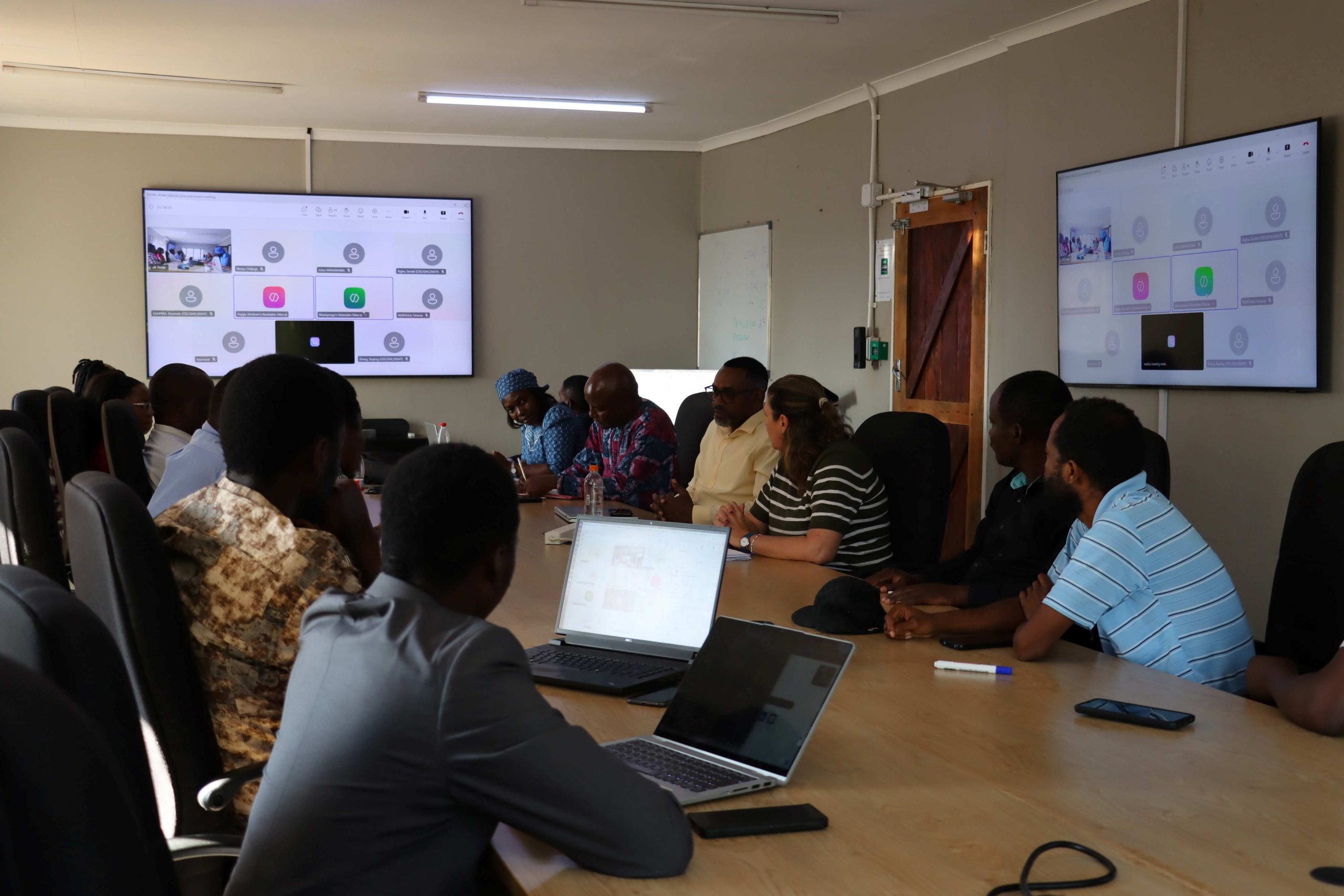
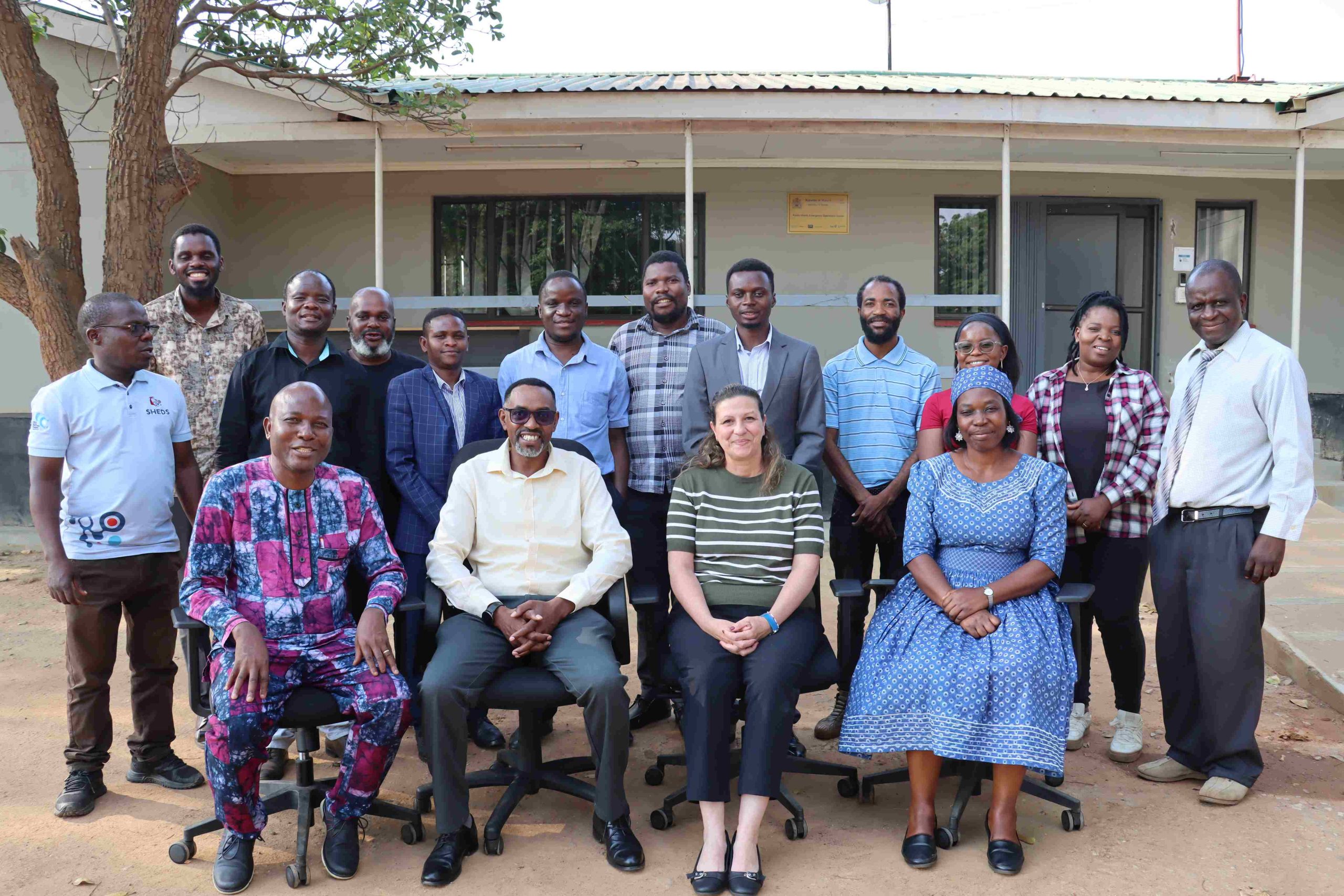
    SADCAS Assessors and PHIM Laboratory Staff during the ISO 15189:2022 Assessment
    ISO 15189:2022 Verified
    SADCAS assessors and PHIM laboratory officers following the successful initial assessment on 8–9 October 2026 in Lilongwe. Photo: Chris Kaudzu

    National Genomic Sequencing Reference Laboratory (NGSRL) at the Public Health Institute of Malawi (PHIM) has been recommended for accreditation to ISO 15189:2022, the gold standard for quality and competence in medical laboratories.

    The Southern African Development Community Accreditation Service (SADCAS) officially recommended the laboratory for accreditation following a rigorous initial on-site assessment conducted on 8–9 October 2026. The assessment concluded on a high note, with SADCAS assessors and PHIM leadership celebrating the culmination of years of dedicated work by the laboratory team to establish world-class genomic quality systems.

    International Recognition for National Data

    “Accreditation to ISO 15189:2022 is far more than a technical requirement. It is a strategic investment in the quality, credibility, and long-term sustainability of Malawi’s public health system—ensuring that our genomic data and disease surveillance results command global confidence.”

    What the NGSRL Does

    Operating under the Ministry of Health, PHIM plays a central role in strengthening Malawi’s public health laboratory system, epidemic intelligence, disease surveillance, and evidence-informed decision-making. As a specialized national facility, the NGSRL delivers crucial diagnostic and genomic surveillance services for priority pathogens, including:

    • Viral Threats: HIV, Influenza viruses, mpox virus, SARS-CoV-2, and epidemic-prone viral hemorrhagic fevers.
    • Bacterial & Parasitic Pathogens: Mycobacterium tuberculosis, Vibrio cholerae, and malaria parasites (Plasmodium falciparum).
    • Antimicrobial Resistance (AMR): Monitoring resistant superbugs and bacterial strain profiles nationwide.

    By generating molecular data for pathogen characterization, tracking transmission pathways, monitoring drug resistance, and investigating disease outbreaks, the NGSRL equips clinical managers and national public health programs with reliable, technically valid results.

    SADCAS Lead Assessor reviewing laboratory documentation and quality manuals
    Rigorous Document & Protocol Review SADCAS assessors evaluating NGSRL’s standard operating procedures, validation data, and quality management systems against ISO 15189:2022 standards.
    SADCAS Assessors and PHIM Scientists discussing technical genomics procedures
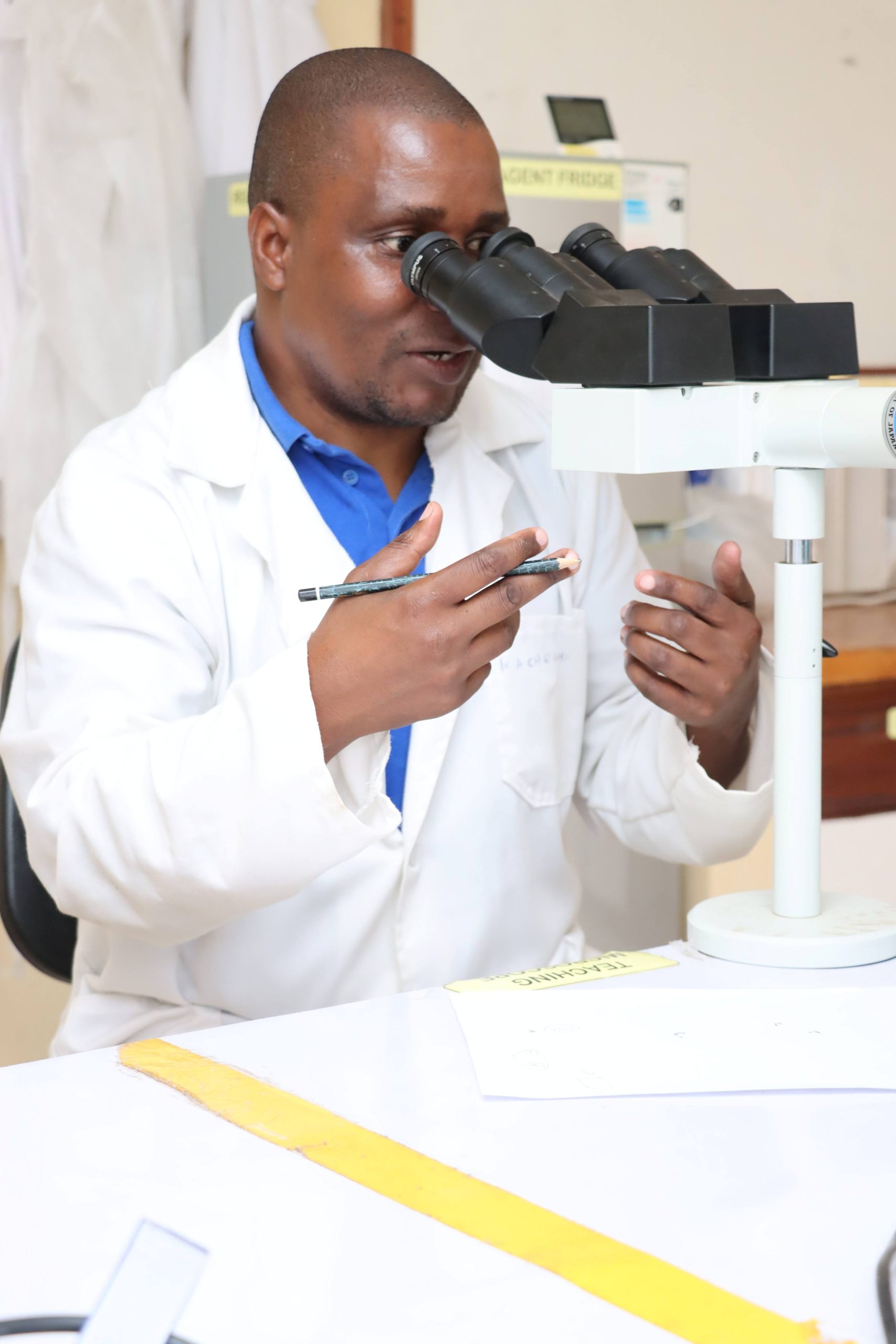
    Technical Competence Verification Assessors observing sequencing workflows, equipment calibration logs, and biosafety controls inside the NGSRL facility.

    A Capability Built Over Several Years

    In-country genomic sequencing is a transformative advancement for Malawi. Prior to establishing local sequencing infrastructure, specialized diagnostic samples had to be shipped to regional hubs in South Africa, Uganda, or Kenya—a process that often introduced logistical delays during health emergencies.

    Malawi’s journey gained momentum during the COVID-19 pandemic. Having detected the country’s first case in April 2020, national reference scientists deployed low-throughput equipment to sequence Malawi’s first batch of COVID-19 samples in June 2021, dramatically reducing reliance on external laboratories.

    Today, genomics is formally anchored in national policy. On 3 July 2025, the Ministry of Health launched the updated National Genomic Surveillance Implementation Plan (2025–2030), outlining a roadmap for integrating genomic technologies across public health facilities. SADCAS accreditation ensures this strategy rests on independently verified laboratory quality.

    Meeting the Updated ISO 15189:2022 Standard

    The timing of this achievement carries significance. Published on 6 December 2022, the updated ISO 15189:2022 edition replaced the earlier 2012 standard, placing greater emphasis on risk management, patient welfare, and continuous process control. SADCAS established a three-year transition window ending 5 December 2025. By achieving compliance, NGSRL operates under the latest, most stringent global standard.

    Why SADCAS Accreditation Matters

    As a multi-economy accreditation body recognized across SADC Member States, SADCAS operates under the Mutual Recognition Agreements (MRAs) of the International Laboratory Accreditation Cooperation (ILAC) and the African Accreditation Cooperation (AFRAC).

    This means sequencing results produced by Malawi’s NGSRL are internationally recognized. Whether reporting new viral variants, tracking regional drug resistance, or submitting epidemiological data to global repositories, accreditation guarantees that Malawi’s public health data meets uncompromising international quality benchmarks.

    Looking Ahead

    Accreditation is an ongoing commitment rather than a static destination. Moving forward, PHIM will continue to refine quality workflows, expand technical scopes, and invest in continuous professional development for laboratory staff—ensuring that Malawi remains at the forefront of disease surveillance and epidemic response.

    Share Article:

    Published By

    Moses Nyambalo Phiri

    Ministry of Health, Republic of Malawi

  • IDSR Epidemiological Bulletin – Week 40.

    IDSR Epidemiological Bulletin – Week 40.

    IDSR Bulletin Dashboard – Week 40, 2026

    Weekly IDSR Bulletin

    Epidemiological Week 40 (28th Sept – 4th October, 2026)

    Status: Official Release Performance Rebound (+5%) Published: 2nd October 2026

    Editorial Team & Contributors

    Dr. Matthew Kagoli
    Mrs. Flora Dimba
    Austin Zgambo
    Noel Khunga
    James Jere
    Settie Kanyanda
    MALARIA CASES
    19,295
    19,083 OPD | 212 IPD | 5 Deaths
    COMPLETENESS
    95.0%
    Target ≥ 80% (+5%)
    TIMELINESS
    95.0%
    Target ≥ 80% (+5%)
    BLOODY DIARRHOEA
    752
    0 Deaths
    MEASLES ALERTS
    48
    18 Confirmed (W40)
    EBS SIGNALS
    39
    12 Verified Events

    I. Main Epidemiological Feature: Malaria Disease Burden in Epi Week 40

    National Feature Epi Week 40 Summary

    Malaria Morbidity Reaches 19,295 Cases with 5 Inpatient Fatalities

    In Epidemiological Week 40, Malaria continues as the primary cause of morbidity nationwide, registering 19,295 cases. Outpatient consultations (OPD) comprised 19,083 cases, while 212 severe cases required inpatient care (IPD).

    • Total Fatalities: 5 inpatient malaria deaths were recorded during Week 40 (3 deaths in Salima DHO, 1 in Dowa DHO, and 1 in Balaka DHO).
    • High Burden Districts: Blantyre (3,408 OPD), Mangochi (2,475 OPD), Nkhata-Bay (1,569 OPD), Chikwawa (1,446 OPD), and Salima (1,178 OPD) represented the top transmission zones.
    • Inpatient Burden: Salima DHO reported 29 IPD cases and 3 deaths, Mangochi reported 27 IPD cases, and Mwanza DHO reported 20 IPD cases.
    Strategic Action Directives

    Clinical Management & Severe Malaria Protocols: Salima, Dowa, and Balaka DHOs must audit IPD clinical workflows to address factors contributing to the 5 recorded inpatient malaria deaths.

    Stock Availability: Facility focal points in high-volume districts like Blantyre, Mangochi, and Nkhata-Bay must ensure continuous availability of mRDTs and parenteral Artesunate for severe cases.

    Top 10 High-Burden Malaria Districts (Epi Week 40)

    Outpatient (OPD) and Inpatient (IPD) Cases across District Health Offices

    Top District (OPD) Blantyre (3,408)
    Highest IP Burden Salima DHO (29 IP)
    Inpatient Deaths 5 Deaths (Salima, Dowa, Balaka)

    II. Health System Reporting Performance

    1. National Reporting Trend (W28 – W40)

    Analysis & Insights

    Analytics: National IDSR reporting demonstrated a significant recovery in Epidemiological Week 40. Both completeness and timeliness rebounded sharply from 90% in Week 39 back to 95%, maintaining performance well above the 80% national threshold.

    Insights: The quick restoration of reporting rates highlights successful follow-up interventions by zonal epidemiologists and IDSR coordinators following the dip in Week 39.

    Recommendations: Maintain robust data validation pipelines on the One Health Surveillance Platform (OHSP) to ensure sustained timeliness and data quality.

    2. Zonal Reporting Rates (Week 40)

    Analysis & Insights

    Analytics: All health zones, as well as Central Hospitals, successfully met or exceeded the 80% target. Central Hospitals and South West Zone achieved 100% on both completeness and timeliness. Central West achieved 96%, North 95%, South East 94%, and Central East 88%.

    Insights: Central Hospitals recorded a full recovery in timeliness (reaching 100% up from 75% in Week 39), resolving the bottleneck previously noted in referral tertiary centers.

    Recommendations: Provide targeted supervisory support to Central East zone to elevate its reporting rates closer to the >95% benchmark achieved by other zones.

    III. Event-Based Surveillance (EBS)

    3. Community EBS Signal Verification Status

    Analysis & Insights

    Analytics: In Week 40, 39 EBS signals were submitted from 9 reporting districts. Following verification by District Rapid Response Teams (DRRTs), 12 signals (31%) were confirmed as true public health events, 25 signals (64%) were unverified, and 2 signals (5%) were discarded.

    Insights: Signals related to sudden limb weakness/fever with rash represented the majority of community alerts (26 total signals reported), reflecting high community awareness regarding polio and measles surveillance.

    Recommendations: DRRTs should ensure timely, documented risk assessments for all verified events and continue refining signal triggers with community health workers.

    4. Verified EBS Signals by Risk Level

    Analysis & Insights

    Analytics: Risk assessments were conducted for 11 of the 12 verified events. The findings indicate that 5 events (46%) were classified as High Risk, 2 (18%) as Moderate Risk, 2 (18%) as Low Risk, and 2 (18%) as Very Low Risk.

    Insights: The high proportion of High Risk events (46%) underscores active public health threats across districts, requiring immediate field investigations and response interventions.

    Recommendations: Priority rapid response deployment must be maintained for the 5 high-risk event sites to prevent further disease transmission.

    IV. Epidemic Prone & Priority Diseases

    5. Priority Notifiable Conditions Case Distribution

    Analysis & Insights

    Analytics: Diarrhoea with blood generated the highest alert volume among epidemic-prone diseases (752 cases, 0 deaths). SARI followed with 143 cases and 1 death. Typhoid fever recorded 90 cases (50 in Mchinji, 15 in Blantyre, 10 in Lilongwe), AEFI registered 82 cases, Measles alerts recorded 48 cases, Meningococcal meningitis 6 cases (1 death in Nsanje), Maternal deaths 5 cases, and AFP 1 case.

    Insights: Typhoid fever cases remain concentrated in Mchinji DHO (50 cases) and Blantyre DHO (15 cases). Severe Acute Respiratory Infections (SARI) recorded 1 death at Kamuzu Central Hospital.

    Recommendations: Intensify water quality testing and sanitation control measures in Mchinji, Lilongwe, and Blantyre. Maintain active case searching for respiratory and meningeal signs in referral centers.

    6. Measles Outbreak: Cumulative Cases by District

    Analysis & Insights

    Analytics: In Week 40, 18 new confirmed cases were reported (3 lab-confirmed in Zomba, 15 epi-linked in Nsanje). Cumulatively, Nsanje leads with 514 cases, Balaka 494 cases, Chikwawa 387 cases, Dedza 375 cases, Mulanje 67 cases, Zomba 26 cases, Mchinji 14 cases, and Machinga 3 cases.

    Insights: Over 70% of confirmed cases occur in unvaccinated individuals or those with unknown vaccination status, and >85% are under 15 years of age. Outbreaks in Balaka, Machinga, and parts of Nsanje have been contained (no new cases >42 days), while active transmission persists in Golomoti (Dedza), Ngabu (Chikwawa), Ndamera (Nsanje), Mbiza/Mulanje DH (Mulanje), and Matawale (Zomba).

    Recommendations: EPI must strengthen routine childhood immunization outreach in active hotspot catchment areas to close identified immunity gaps.

    V. Special Interventions & Performance Bottlenecks

    7. Polio Vaccination Campaign Coverage

    Analysis & Insights

    Analytics: Cumulative coverage figures across the 5 executed nOPV2 rounds highlight sustained high performance: Round 0 (1.71M doses administered), Round 1 (103% – 6.22M), Round 2 (106% – 6.64M), Round 3 (105% – 7.07M), and Round 4 (103% – 7.29M).

    Insights: A total of 18 variant polioviruses (plus 1 imported case from Mozambique) have been isolated since the January 2026 outbreak declaration. Environmental surveillance remains active in Blantyre and surrounding sites.

    Recommendations: Maintain heightened AFP surveillance sensitivity across all health facilities and border entry points.

    8. Underperforming Reporting Units (Week 40)

    Analysis & Insights

    Analytics: Out of 33 reporting sites, 30 (91%) met the ≥80% national target. Only 3 reporting sites failed to meet the target for both completeness and timeliness: Balaka DHO (67%), Dowa DHO (73%), and Machinga DHO (78%).

    Insights: Likoma DHO, Karonga DHO, and Mzuzu Central Hospital—which were underperforming in Week 39—successfully rebounded to meet and exceed national benchmarks in Week 40.

    Recommendations: Zonal Epidemiology Officers should engage Balaka, Dowa, and Machinga DHOs to resolve data reporting delays and ensure full compliance on OHSP.

    VI. Targeted District & Programmatic Recommendations

    1. Data Verification & Reporting

    Balaka, Dowa, and Machinga DHOs must improve reporting timeliness and completeness on OHSP. Zonal officers must assist in resolving local data submission challenges.

    2. Enteric Disease & WASH Management

    Mchinji, Blantyre, and Lilongwe DHOs are advised to maintain active water surveillance and targeted WASH interventions to curb Typhoid fever and bloody diarrhoea cases.

    3. Outbreak Surveillance & Immunization

    DRRTs must conduct prompt risk assessments for all verified community signals. EPI should focus routine immunization outreach on active Measles hotspots (Dedza, Chikwawa, Nsanje, Mulanje, Zomba).

    Official IDSR Documentation

    Access the full official PDF bulletin for Epidemiological Week 40, 2026, including detailed district-level performance tables and annexes.

    PUBLISHED BY

    Moses Nyambalo Phiri

    Ministry of Health, Lilongwe, Malawi