
Mr. Henry Limula
NPHL-PHIM, Ministry of Health, Lilongwe
Date of Event: July 14–15, 2026
Published on: July 14, 2026
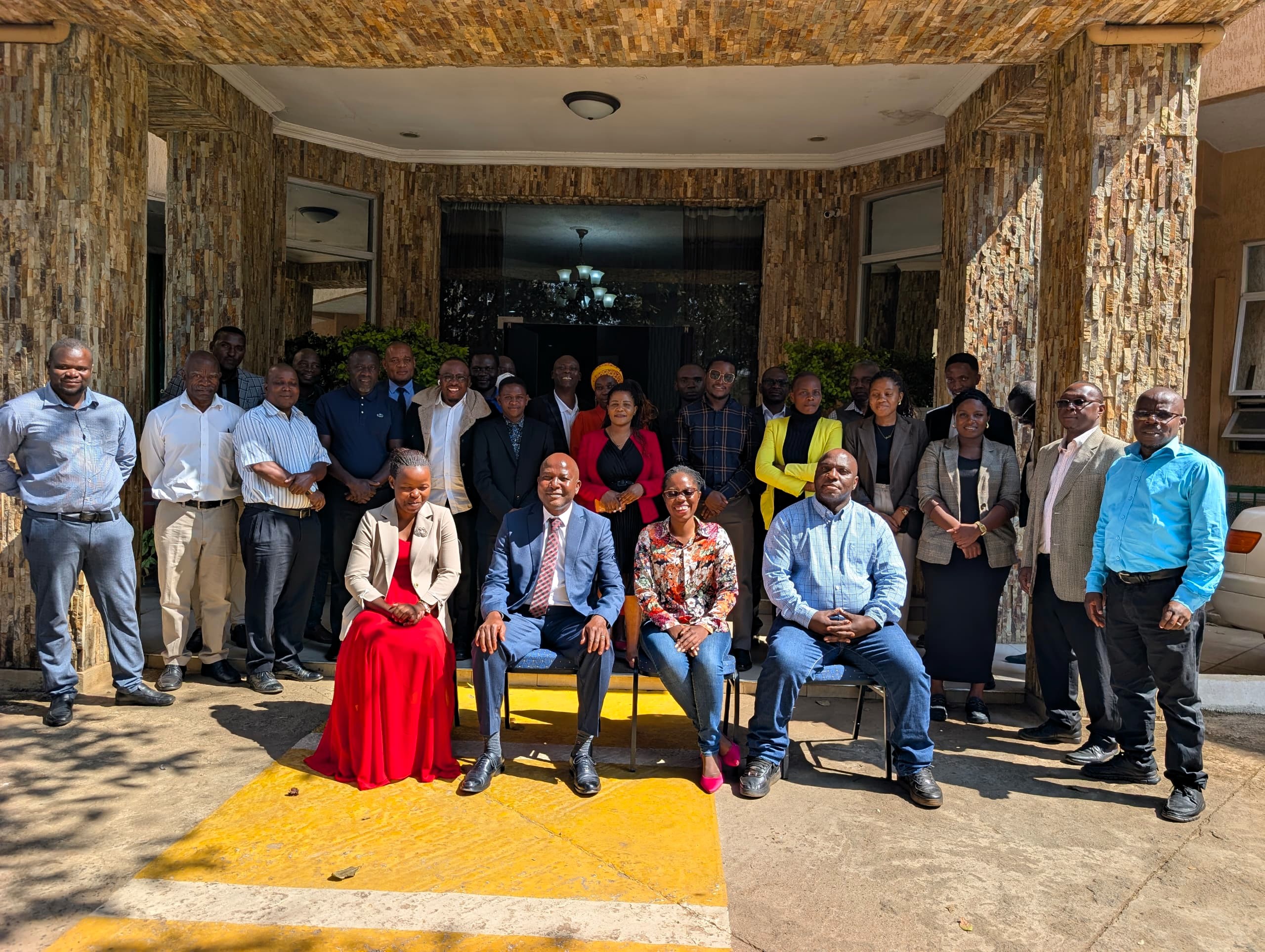
The PHIM laboratory team and key public health stakeholders collaborating to align national diagnostic work plans.
To build a resilient, efficient, and responsive national diagnostic network, the Public Health Institute of Malawi (PHIM) has launched a strategic stakeholder meeting to consolidate multiple external funding streams into a single, harmonized national laboratory work plan.
The Public Health Institute of Malawi (PHIM), under the Government of Malawi, is currently hosting a two-day work package meeting from 14th to 15th July 2026 at the Malville Hotel in Lilongwe. This technical assembly brings together key stakeholders, health program managers, and technical laboratory experts to build a single, cohesive blueprint for national laboratory operations spanning from 2026 through 2027.
The principal mandate of this technical convention is to review laboratory activities planned under various funding sources, streamline resource allocations, eliminate operational redundancies, and align investments with national health security priorities.
Contextual Background: The Capital Hotel Support Mission
The strategic foundations for this workshop were laid during the recent In-Country Support Mission for the Malawi Health Emergency Preparedness, Resilience and Response Program (MHEPRR). This World Bank-funded project, executed by the Government of Malawi, underwent a comprehensive progress review at the Capital Hotel in Lilongwe.
A thorough evaluation of the diagnostic and laboratory pillar activities within the MHEPRR during that support mission generated critical recommendations. The ongoing workshop at the Malville Hotel is the operational vehicle tasked with disseminating, analyzing, and executing those key recommendations.
The Challenge: Eliminating Multi-Project Overlaps
A core finding from the MHEPRR support mission is that several laboratory activities appear parallelly in different project portfolios and across distinct funding streams. Without structured coordination, this redundancy risks causing inefficiencies and fragmented resource distribution across the national health grid.
Currently, laboratory systems in Malawi receive vital support from several prominent, concurrent funding channels. These include:
- The World Bank-supported Malawi Health Emergency Preparedness, Resilience and Response Program (MHEPRR)
- The Multi-Country Pandemic Fund & Country Pandemic Fund
- The Tackling Deadly Diseases in Africa Programme (TDDAP)
- The STRIDES Initiative
- The CDC-Malawi Cooperative Agreement (CDC-MW CoAG)
Strategic Realignment & Repurposing Strategy
To resolve these structural bottlenecks, PHIM has established an analytical framework for the workshop. Rather than allowing duplicate funding lines to target identical activities, technical teams are executing a strict, three-pronged realignment methodology:
Identify & Consolidate
Map duplicate laboratory activities and assign execution to a single, most appropriate funding line.
Repurpose Capital
Reallocate surplus funds cleared during consolidation to unaddressed laboratory gaps.
Bridge Critical Gaps
Fund vital diagnostic needs, equipment maintenance, and quality standards previously lacking financial support.
As emphasized, this optimization guarantees that public health resources are deployed with maximum efficiency. It prevents resource duplication, helps clean up fiscal allocations, and expands the reach of donor-backed support to build sustainable laboratory systems.
Structured Technical Work Areas
To facilitate rapid, expert-led planning, workshop participants have been split into five specialized technical working groups. These groups are directly analyzing budget lines, reviewing technical specifications, and aligning target activities across these four programmatic areas:
- Sample Referral Systems & Biorepositories: Streamlining and modernizing the transport networks that securely move patient specimens from community clinics to regional laboratories, alongside preserving national biorepository collections.
- Biosafety & Biosecurity: Strengthening facility protocols, safety gear, and secure diagnostic workflows to safeguard laboratory personnel and host communities from hazardous pathogens.
- SLIPTA and Laboratory Accreditation: Harmonizing compliance assessments and continuous quality improvement projects to transition more domestic facilities toward international ISO standards using the Stepwise Laboratory Quality Improvement Process Towards Accreditation (SLIPTA) framework.
- Equipment, Reagents, and Supplies Management: Drafting rigorous, standardized specifications for laboratory instrumentation, optimizing supply chains for reagents, and preventing stock-outs across diagnostic tiers.
Technological Specifications Under Review
The workshop is dedicated to reviewing and drafting specifications for major hardware, diagnostic platforms, and digital tools to ensure consistent procurement. These include:
Expected Outcomes
This operational blueprint will merge diverse partner contributions into a cohesive diagnostic investment guide, setting a new benchmark for national public health administration in the region.
With improved strategic alignment, the Ministry of Health and PHIM are strengthening national defense mechanisms against emerging biological threats, ensuring that every kwacha invested directly reinforces health emergency preparedness and resilience across Malawi.