
Research and
Development Division
A lead department in the advancement of Health Research and Innovation, championing biomedical research to generate evidence for national policy and decision-making.
Division Leadership and Structure

Chikondi Chimbatata
Acting – Deputy Director, NPH Research Division
Division Oversight
Leads the division in executing biomedical research and fostering innovation to address critical public health problems, ensuring generated evidence is accessible and used for effective decision-making.
Human Subject Protection

Head of Bioethics & Governance
Chikondi Chimbatata
Strengthens functional ethical review boards (ERBs), ensures all research complies with the highest bioethical principles, and provides essential ethics training.
Research Science

Head of Research Science
Dr. Zinkambani Kambalame
Manages the national research proposal repository, conducts data analysis, and develops crucial evidence briefs to inform policy making.
Knowledge Management
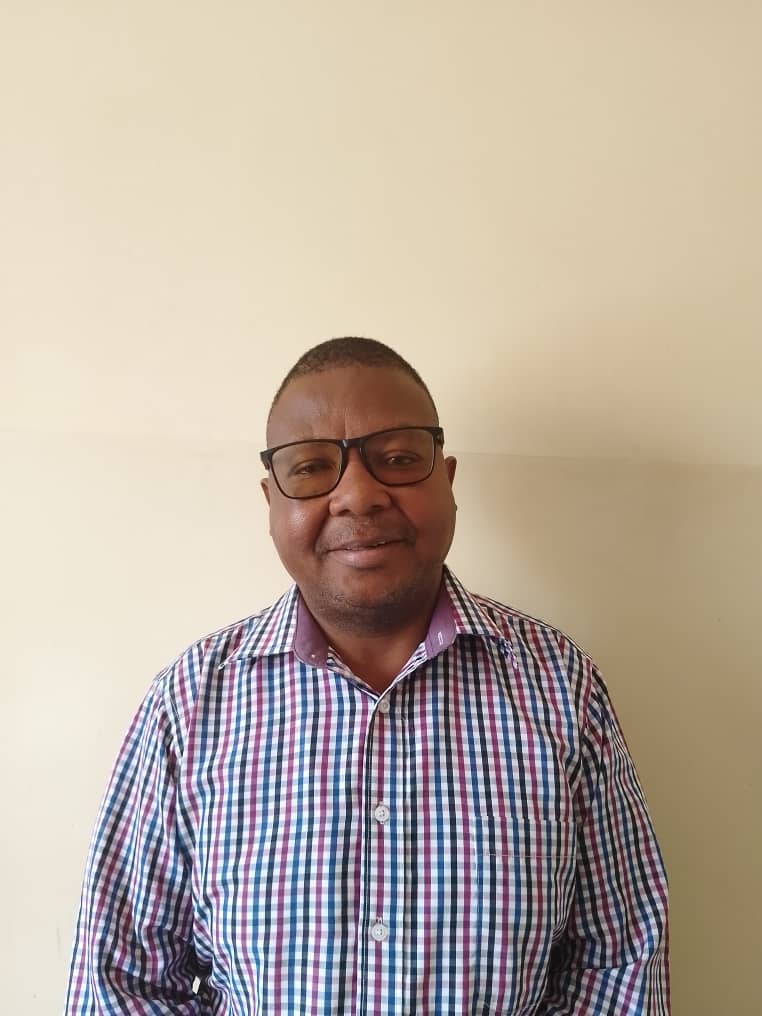
Head of Knowledge Translation
Dr. Mvula Bernard
Reinforces the dissemination of all approved research findings, convenes annual conferences, and establishes functional research infrastructure including libraries.
Capacity Building

Head of Research Training
Bessie Phiri
Develops and implements specialized research skills training programs, including grant writing and knowledge synthesis, supported by mentorship initiatives.
Generating Evidence for Policy
RS – Research Science & Policy
This section provides the scientific backbone for PHIM’s research agenda. It is responsible for developing internal guidelines for research execution, managing a comprehensive repository of all research proposals, and facilitating the collaborative development of new proposals. Crucially, the team conducts robust data analysis, develops concise evidence briefs for senior management and policymakers, and works to strengthen national guidelines on the use of scientific evidence for high-level decision-making.
KM – Knowledge Translation
Focused on ensuring research findings reach their intended users, the KM section sets up electronic systems for document capture and retrieval. They are mandated to reinforce the timely dissemination of all approved research findings and actively monitor the submission of research reports to the department. A key activity is convening annual research dissemination conferences in collaboration with stakeholders, alongside establishing and maintaining functional research infrastructure, including specialized libraries at both national and district levels.
CB – Skills & Mentorship
The Capacity Building section ensures a sustainable research workforce. It develops and implements focused training programs on essential research skills, conducts continuous capacity building initiatives at all institutional and individual levels, and develops targeted mentorship programs on research implementation. A special focus is placed on developing training programs in research grant writing skills and liaising with training institutions to upskill PHIM staff in grants synthesis and knowledge translation.
HSP – Ethics & Review
The Human Subject Protection section is the ethical guardian of PHIM’s research. Its core mandate is to strengthen and support functional Ethical Review Boards (ERBs). They oversee the ERBs’ implementation and strict compliance with national and international bioethical principles. This ensures that all PHIM-supported research involving human participants is conducted with integrity, respect, and protection of participant rights. This section also conducts continuous ethics training for researchers.