
Malawi Launches NAPHS Resource Mapping Workshop to Fund and Secure Its Health Security Blueprint
The Public Health Institute of Malawi (PHIM), under the Ministry of Health and with support from the World Bank, the Malawi Health Emergency Preparedness, Response and Resilience (MHEPRR) Project, and the World Health Organization (WHO), successfully conducted the State Party Annual Self-Assessment Report (SPAR) 2025 and is transitioning into the implementation of the National Action Plan for Health Security (NAPHS) 2025–2030.
Malawi has taken a decisive step toward securing the health of its 20 million citizens, officially opening the National Action Plan for Health Security (NAPHS) Resource Mapping (REMAP) Workshop on 2nd June 2026 at the Bingu International Convention Centre in Lilongwe. Co-supported by the World Health Organization (WHO) alongside PHIM, this critical four-day assembly represents the operational bridge translating raw strategic data directly into physical health system defense.
The launch signifies the formal transition from historical self-assessment datasets directly into a focused, fully costed deployment of funds. Rather than letting the rigorous results of the SPAR 2025 process sit on library shelves, Malawi’s health sector is systematically tracing every capability deficit to a specific development partner’s pocket. In doing so, the nation is establishing a unified operational script across 15 core disciplines of international health security.
The official opening day set a serious tone, gathering the core architects of Malawi’s healthcare systems. Leaders sat shoulder-to-shoulder to declare a war on epidemiological fragmentation, pledging that partner investments would no longer clash, but work in tandem to shield Malawi from incoming pathogens.
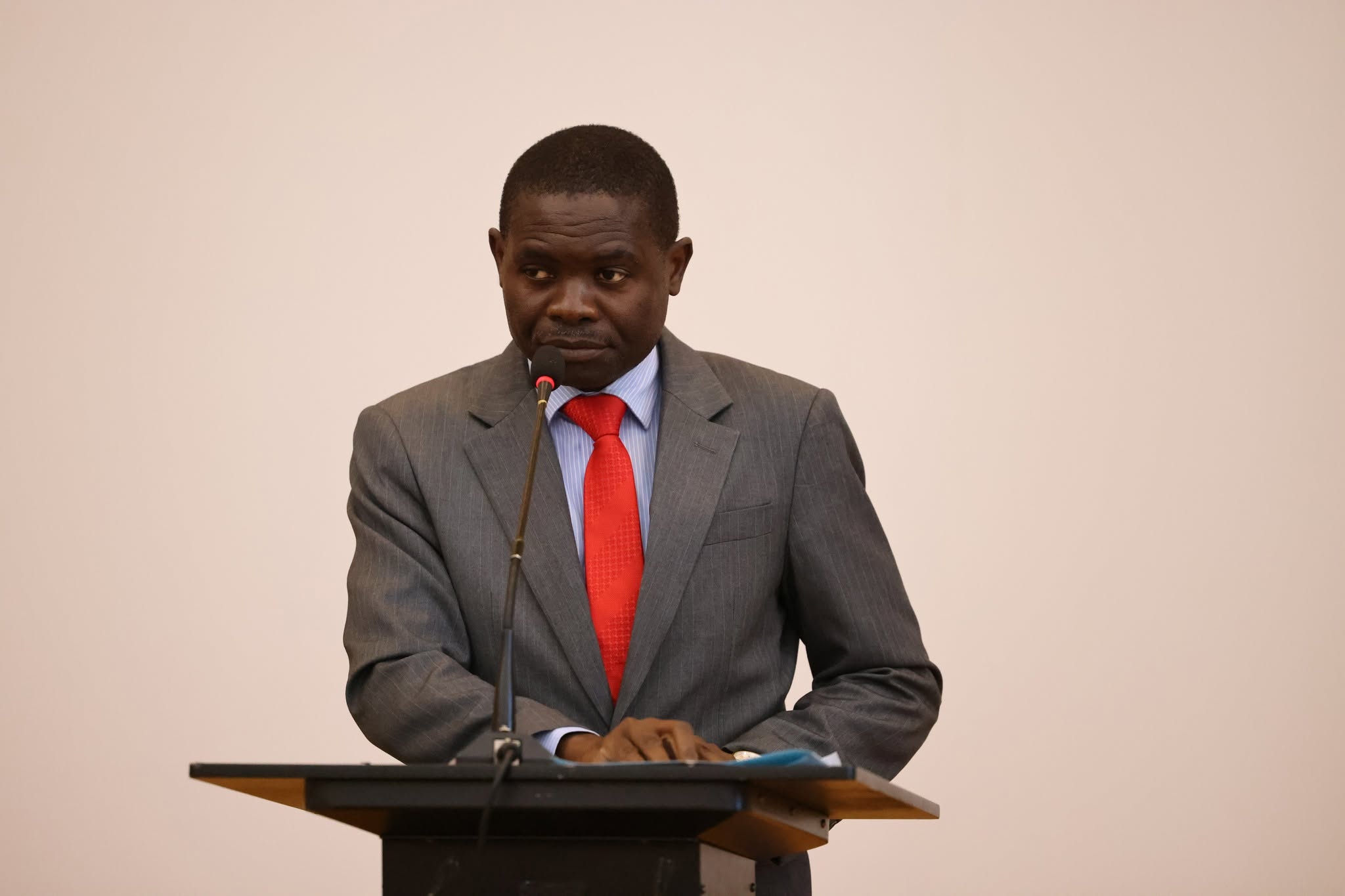
The Guest of Honor examined the seating and composition of the delegation, so as observers can appreciate the massive scale of the One Health coordination mechanism. Representatives from the Public Health Institute of Malawi sat alongside World Bank directors, WHO health emergency experts, and various ministerial budget heads. This diverse gathering is vital because funding a laboratory network, drafting quarantine rules, and staffing border gates require resources far beyond the traditional reach of the Ministry of Health alone.
The REMAP workshop is designed to remove the guesswork from health financing, creating an ironclad mechanism that matches the cost of every action plan item with specific, verified funding sources. This ensures that the gaps identified during the 2024 Joint External Evaluation (JEE) are permanently addressed.
The Ministry of Health, through the Public Health Institute of Malawi, with support from the World Health Organization (WHO), officially opened the National Action Plan for Health Security (NAPHS) Resource Mapping (REMAP) Workshop. Findings will inform the development of Malawi’s NAPHS — a key step in strengthening IHR implementation and advancing health security in Malawi.
Unifying the 15 Core Technical Areas
The resource mapping exercise evaluates capacities across all 15 IHR core technical areas, organizing them into a unified, cross-sectoral defense structure:
1. Legal Instruments: Overhauling local legislation, specifically fast-tracking the updated Public Health Act, to provide a firm legal framework for emergency disease control, quarantine, and biosecurity measures.
2. Financing: Creating stable, dedicated domestic funding streams to ensure epidemic response budgets do not depend entirely on unpredictable international emergency grants.
3. IHR Coordination: Hardening communication links between the National IHR Focal Point, various animal-and-human-health ministries, and international warning networks.
4. Surveillance: Transitioning from sluggish, paper-based reporting to real-time, digital event-based community and clinical surveillance systems that can catch outbreaks in their first hours.
5. National Laboratory Systems: Establishing diagnostic networks that allow highly infectious pathogens to be collected, safely shipped, and genetically sequenced locally within 24 to 48 hours.
6. Health Emergency Management: Equipping Public Health Emergency Operations Centres (PHEOCs) at national and regional levels with multi-hazard communications and dedicated 24/7 staff.
7. Infection Prevention and Control (IPC): Standardizing sanitary practices across community clinics and tertiary hospitals to entirely mitigate the risk of nosocomial (hospital-acquired) infections.
8. Health Service Provision: Preserving the continuity of primary healthcare delivery during severe epidemics so that routine treatments are never interrupted.
9. Human Resources for Health: Recruiting, retaining, and continuously training field epidemiologists and rapid response units across all 28 districts.
10. Risk Communication and Community Engagement (RCCE): Combatting the spread of rumors and misinformation by engaging communities with trusted, scientifically verified health directives.
11. Zoonotic Diseases: Coordinating with veterinarians to monitor high-risk biological interfaces and halt livestock-to-human transmission vectors before they spill over.
12. Food Safety: Developing regulatory systems to manage market sanitization and monitor food-borne contamination pathways across the country’s local supply chains.
13. Chemical Events: Organizing chemical incident detection systems and emergency guidelines for industrial zones and transport corridors.
14. Radiation Emergencies: Standardizing procedures and physical detection units to manage rare but highly dangerous radiological hazards.
15. Points of Entry and Border Health: Hardening screening systems, isolation zones, and medical response structures at major land borders and international airports.
To systematically address these 15 areas, workshop participants were organized into intensive working groups. The working layout illustrated below shows the diverse teams at work. Veterinarians sat alongside lawyers, and environmental scientists worked directly with computer scientists. This collaborative design was engineered to tear down the professional silos that historically kept various sectors from coordinating effectively during biological crises.
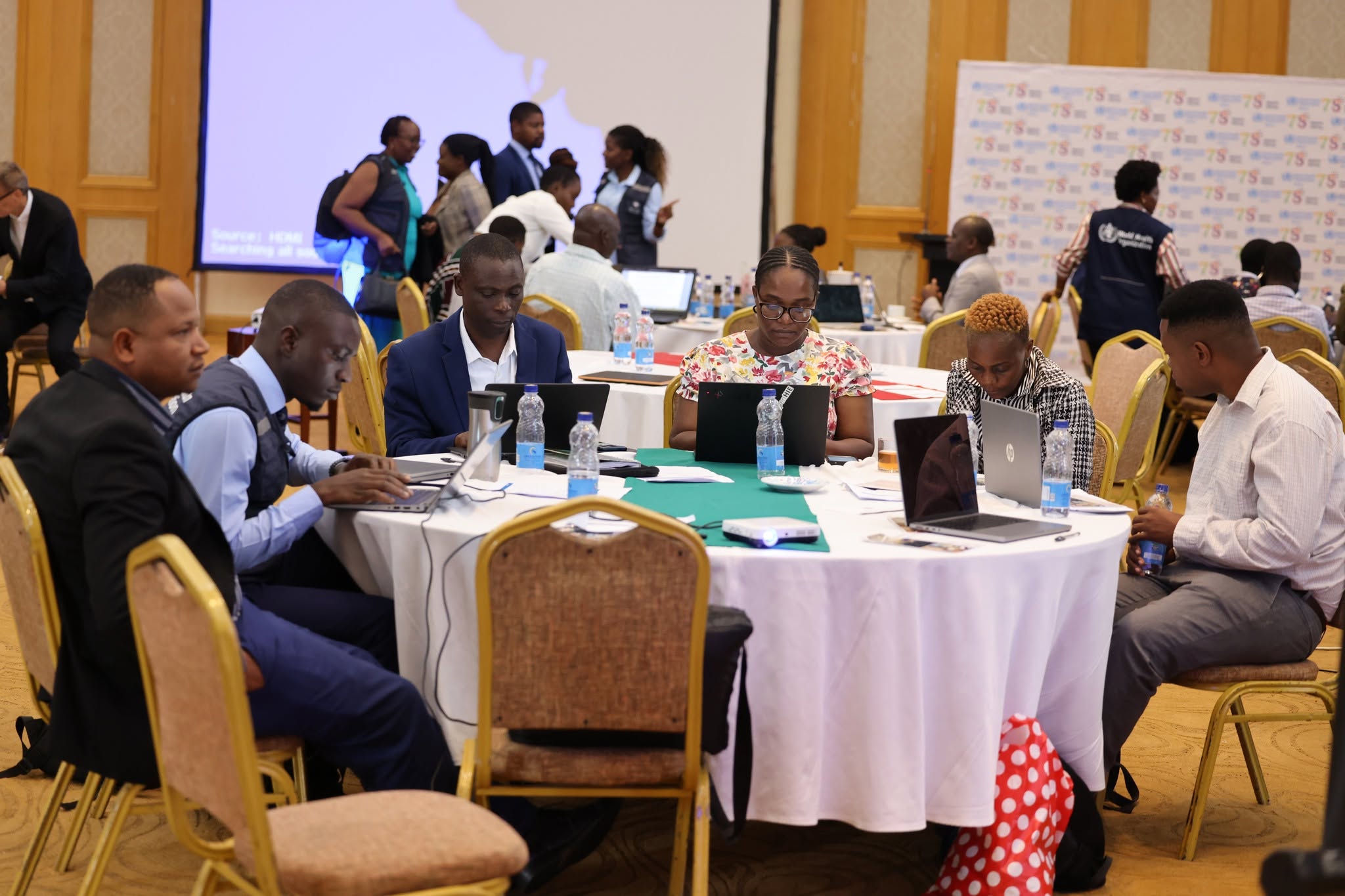
The workspace was arranged to promote active discussion and joint problem-solving. Each group was given a specific subset of the 15 technical areas, charged with comparing current field data with existing partner budgets. This direct alignment of financial spreadsheets with real-world capabilities allowed teams to locate critical underfunded areas that would otherwise remain invisible. This hands-on process proves that health security is built on meticulous, cross-sectoral collaboration, rather than simple administrative paperwork.
Malawi’s Unique and Compounding Vulnerabilities
Understanding the importance of this work requires examining Malawi’s deep vulnerability to environmental and health crises, as documented in detail by WHO in its Pandemic Fund project profiles. The country faces more than just isolated disease events; it is dealing with a convergence of environmental, economic, and epidemiological shocks that mutually reinforce one another, stressing the entire national health system.
Malawi is ranked 5th globally on the Climate Risk Index for most-affected countries and sits among the top 50 countries most vulnerable to infectious disease threats. Over 70% of the rural population depends on agriculture, leaving communities extremely exposed to climate shocks. Droughts worsen food and water insecurity; floods displace communities and trigger cholera and malaria outbreaks; cyclones overwhelm national response systems. These hazards are compounded by undernutrition, limited infrastructure, overburdened health services, and porous borders that increase the risk of cross-border disease transmission.
Crucially, Malawi’s NAPHS development explicitly integrates climate change and health. This forward-looking approach recognizes that the country’s health challenges cannot be separated from its environmental vulnerabilities. This integration puts Malawi at the forefront of climate-responsive health security planning in the African region. By designing response systems that account for extreme weather patterns, PHIM ensures that climate adaptation and disease surveillance are treated as two sides of the same coin.
This integrated approach was put into practice during the technical breakout sessions. As depicted in the image below, focal points from each department utilized digital mapping software to trace national and partner investments directly down to the district level. By inputting physical budget data into a centralized database, they were able to visualize exactly where resources are concentrated and where critical deficits remain.
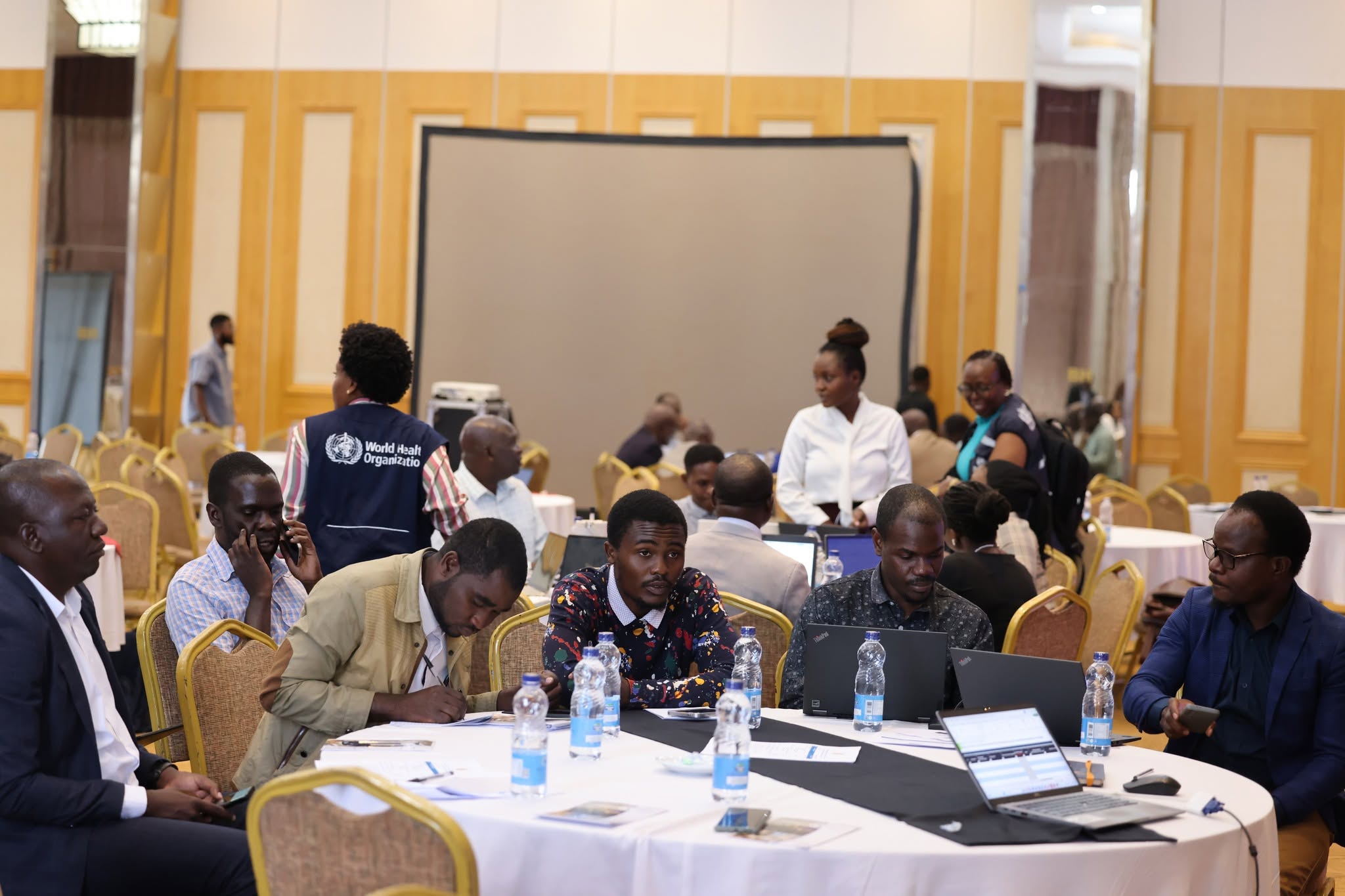
The technical coordination session captured in Data Compilation highlights the digital heart of the REMAP process. Utilizing a system developed by the WHO, focal points systematically entered physical budget numbers, project durations, and geographic focus areas into a single database. This real-time synthesis of information allowed policymakers to detect areas where multiple international partners were accidentally funding the same activities, while other vital areas remained completely unaddressed.
What the 2024 Joint External Evaluation Found
The NAPHS 2025–2030 was built on evidence, not assumptions. The December 2024 Joint External Evaluation (JEE) — a rigorous WHO-led independent assessment covering 19 technical areas including prevention, detection, response, and other hazard management — gave Malawi an honest reckoning of where its health security stands.
The JEE did not pull its punches. It celebrated Malawi’s institutional breakthroughs, particularly the rise of PHIM as a stabilizing public health anchor, but highlighted systemic gaps that threaten to compromise response operations. The evaluation made it clear that while Malawi is incredibly capable of rallying temporary support during a visible crisis, its foundational, day-to-day legal, regulatory, and financial structures remain delicate and under-resourced.
JEE Recognised Strengths
- Establishment of PHIM as a dedicated public health institution
- Operationalised Public Health Emergency Operations Centres (PHEOCs)
- Strong disease surveillance and laboratory services
- Demonstrated multi-sectoral collaboration capacity
! Priority Gaps Identified
- Weak legal and regulatory frameworks (Public Health Act not yet enacted)
- Unsustainable health security financing
- Fragmented biosafety and biosecurity legal instruments
- Training and capacity-building gaps at national and district levels
The JEE findings directly shaped NAPHS priorities. Among the concrete actions emerging from the process: fast-tracking enactment of the Public Health Act; developing a national multi-sectoral strategy for Points of Entry; and consolidating a national inventory of high-consequence pathogens. The REMAP Workshop now ensures those priorities are matched with real, sustainable resources, rather than temporary, unpredictable grants.
A Journey Built on Evidence (Key Milestones)
The path leading to the June 2026 REMAP workshop was built over years of intensive collaborative labor. Health security is an iterative discipline, requiring endless alignment, feedback loops, and validation exercises across multiple ministries. To contextualize how Malawi reached this advanced state of planning, it is useful to review the core operational milestone timeline.
The WHO REMAP Tool: What It Does
At the heart of this workshop is the execution of the WHO-developed digital resource mapping tool. First introduced in 2018, this proprietary software serves as an analytical clearinghouse for national and subnational health resource flows.
In typical developing-nation contexts, different donor organizations (such as the US-CDC, World Bank, and various UN agencies) often fund similar surveillance or laboratory projects in complete isolation. This results in costly administrative redundancies in some districts, while neighboring areas face severe resource droughts. The REMAP digital tool combats this by demanding comprehensive, data-driven transparency. It maps all ongoing and planned partner commitments down to the district level, matching them explicitly against the costed activities of the national plan.
By bringing this high-definition transparency to the planning table, the REMAP tool empowers PHIM to lead discussions from a position of authority. Instead of waiting passively for external grants, national coordinators can point directly to the digital map, guiding international partners to underfunded critical areas, such as biosafety legal drafting or sub-national laboratory logistics.
Resource mapping is a milestone exercise with the potential to identify important underfunded areas. The REMAP process fosters dialogue between countries and partners for a coordinated, multisectoral approach — increasing the visibility of partner health security efforts so that countries and stakeholders can see the full landscape of ongoing activities, avoid duplication, and facilitate alignment toward national priorities.
Malawi joins a growing community of African nations that have conducted REMAP exercises, including South Sudan, Ethiopia, Tanzania, Zanzibar, Mali, Niger, The Gambia, Lesotho, Madagascar, Cabo Verde, and Central African Republic. Of the 47 countries in WHO’s African region, 22 have completed a NAPHS — with 11 more in development. Malawi’s REMAP positions the country at the leading edge of this continental effort, showing how a structured, digitally aided planning sequence can lead directly to sustainable systemic investments.
The Pandemic Fund: Malawi’s US$2.7 Million Catalyst
While the REMAP workshop focuses on coordinating all external and domestic resources, a vital cornerstone of Malawi’s contemporary funding is its dedicated allocation from The Pandemic Fund. Co-founded by the G20, the World Health Organization, and the World Bank, the Pandemic Fund represents a global mechanism designed specifically to close critical health security gaps in low- and middle-income countries.
For Malawi, the Pandemic Fund has provided a critical US$2.7 million catalytic grant. Unlike standard humanitarian aid, which is typically released in response to active catastrophes, this funding is spent exclusively on preventive capacity-building. It is directed at the “unpopular” but essential parts of health infrastructure — the background systems that make immediate discovery and response possible before an epidemic can spiral into a regional or global disaster.
This US$2.7 million investment is being directed into four strategic areas. First, it is strengthening integrated disease surveillance, with a particular focus on environmental and genomic surveillance. Second, it is expanding laboratory capacity across human, animal, and environmental health sectors. Third, it is bolstering human resources through the rollout of the Field Epidemiology Training Programme (FETP) and the training of Rapid Response Teams at both national and district levels. Finally, it supports the development and operationalisation of the NAPHS itself — including the reinforcement of Public Health Emergency Operations Centres (PHEOCs).
To ensure strict accountability and coordination, the program is overseen by a National Steering Committee. This body is chaired by the Secretary for Health, with the WHO Representative serving as Co-Chairperson, having first convened in September 2025. This governance structure ensures that the catalytic grant is used to mobilize and align other donor resources, magnifying its impact.
A Call for Multisectoral Partnership
The foundational core of the NAPHS and the REMAP workshop is the understanding that health security is not a job for doctors and clinics alone. In a highly connected, land-linked economy, a virus or chemical contaminant travels along trade routes, crosses rivers, and infects livestock before ever appearing in an emergency ward. True health security requires the coordinated attention of the entire state apparatus.
The multisectoral character of this work was evident throughout the NAPHS development process. Officials from across government — including the Ministries of Justice, Agriculture, Natural Resources and Climate Change, Gender, Community Development and Social Welfare, the Treasury, and the Malawi Police Service — have been active participants.
The final working groups of the workshop took on the massive task of consolidating all data streams. As shown in the closing-day assembly photo below, representatives from all key sectors stood together under the One Health framework. This final alignment session represented the culmination of the REMAP journey, where agricultural risk analysts, financial treasurers, and epidemiologists shook hands on a unified investment map for Malawi’s future.
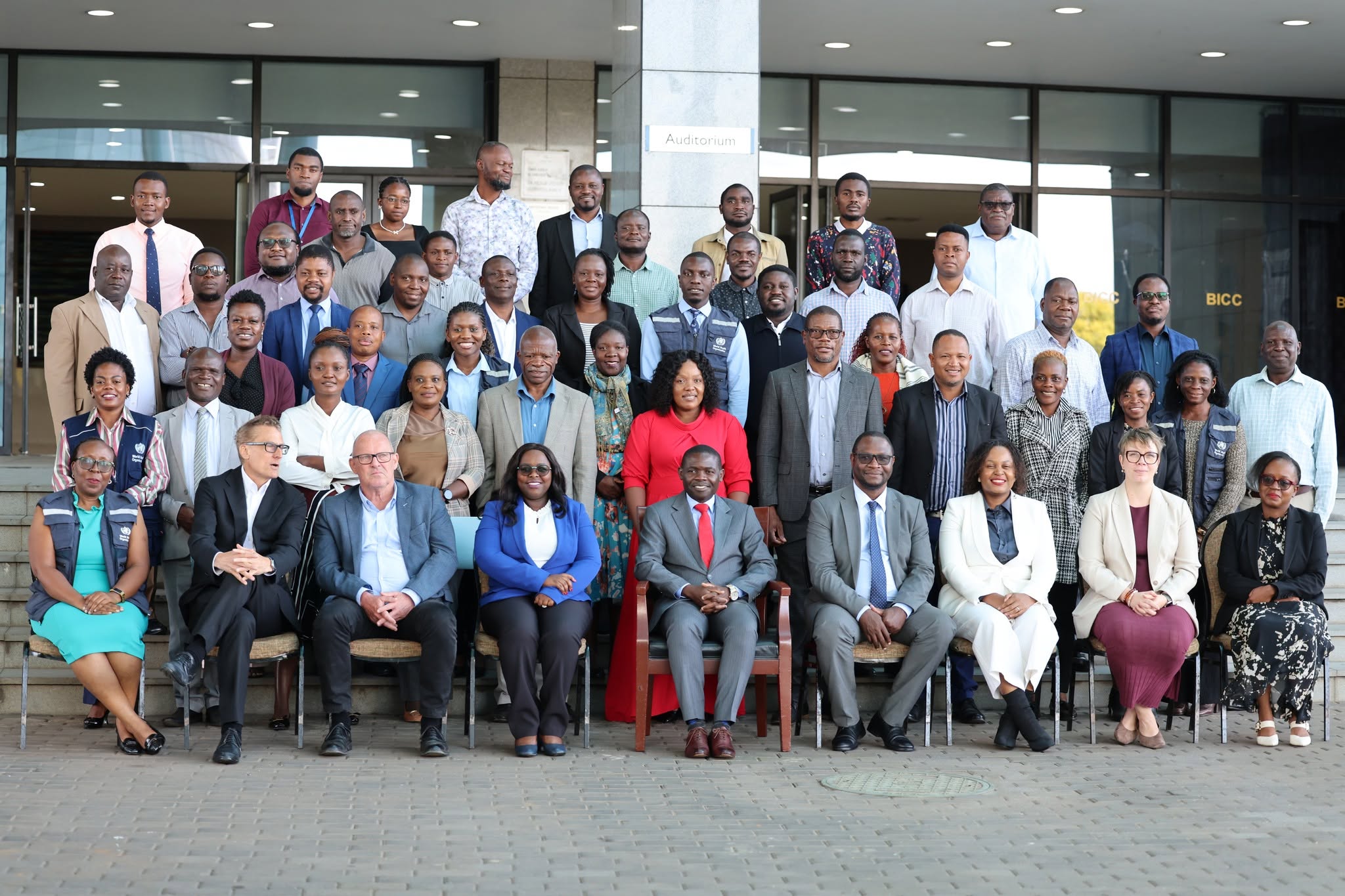
The Multi-Sectoral and Multi-Disciplinarycongregation resulted in shared sense of accomplishment. The submission of the completed REMAP database represents a turning point in Malawi’s public health history. For the first time, all key stakeholders—including international donors, national treasurers, and local emergency coordinators—are operating from the exact same database. This digital alignment removes the risk of duplicated efforts, ensuring that every kwacha and dollar is directed exactly where it is needed most.
The partners gathered at the REMAP Workshop represent a formidable coalition: