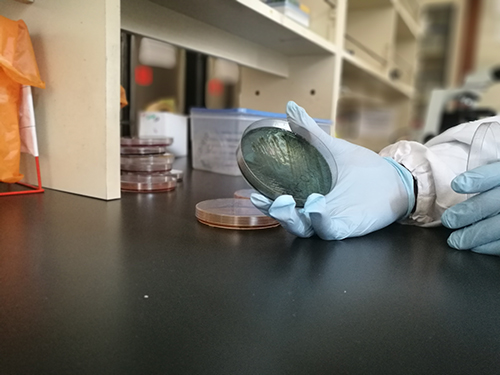
Laboratory Sample
Transport Management
Advancing Malawi’s public health diagnostic networks through digital integration, standard operating procedures, and enhanced data quality across all levels of care.
Start Time
09:00 AM CAT
Keynote Presenters

Dr. Matthew Kagoli
Director, PHIM
Dr. Kagoli provides comprehensive strategic leadership for the Public Health Institute of Malawi, overseeing the national health security agenda. He is dedicated to advancing the country’s diagnostic capabilities through innovation and evidence-based policy implementation. Under his guidance, PHIM has strengthened its role in pandemic preparedness and routine disease surveillance across Malawi.

Dr. Bitilinyu Bango
Deputy Director, PHIM
Dr. Bango serves as the Deputy Director of PHIM, where he spearheads technical operations and institutional coordination. He plays a pivotal role in modernizing diagnostic systems to ensure equitable access to laboratory services throughout the nation. His expertise in health systems strengthening is vital for maintaining the efficiency of Malawi’s integrated laboratory network.
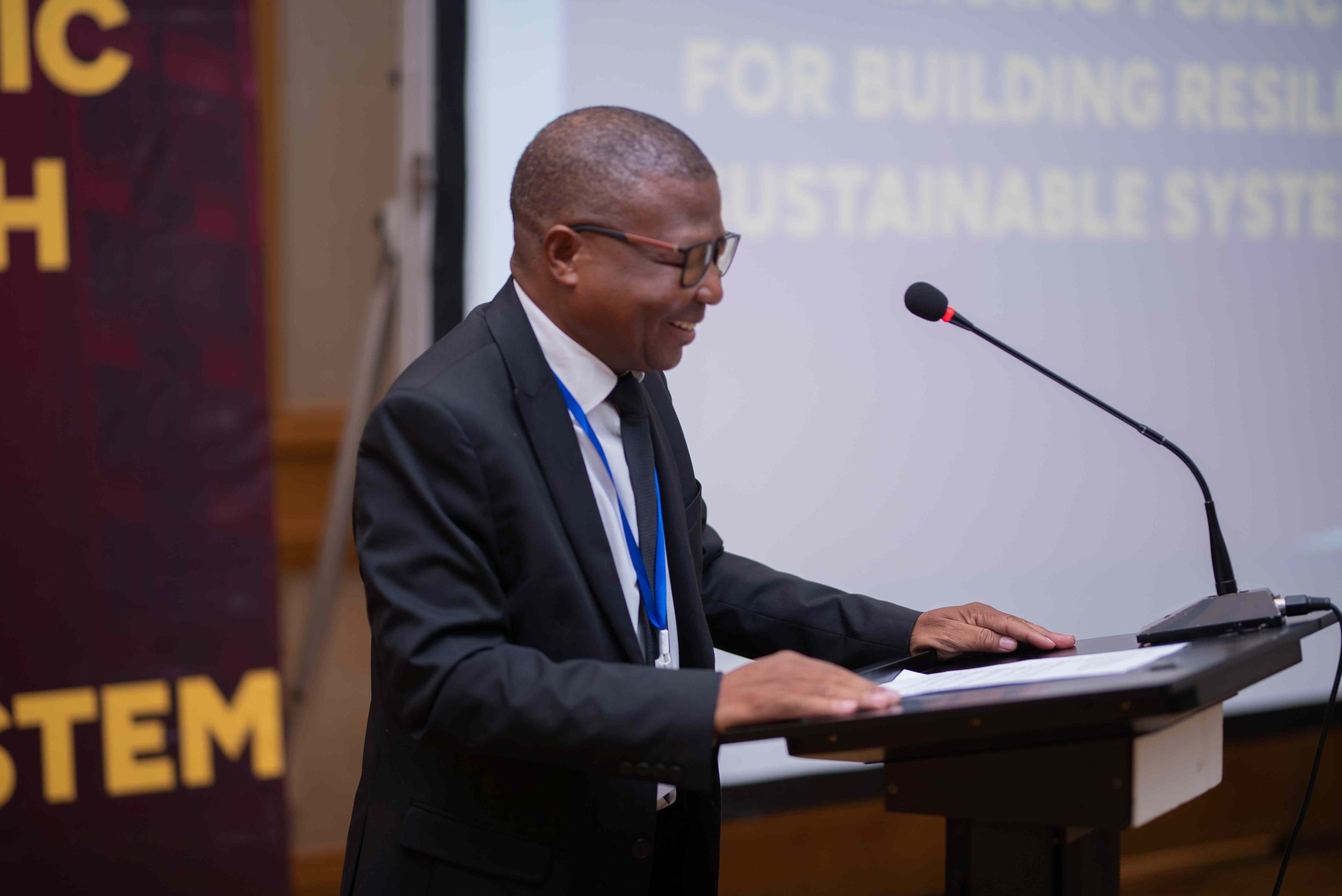
Dr. Bernard Mvula
Head Of Knowledge Managementes
Dr. Mvula is a specialist in clinical laboratory management with extensive experience in public health service delivery. He is instrumental in developing national quality standards for laboratory operations and sample logistics. His work ensures that the link between diagnostic testing and clinical decision-making is seamless, efficient, and meets international accreditation standards.
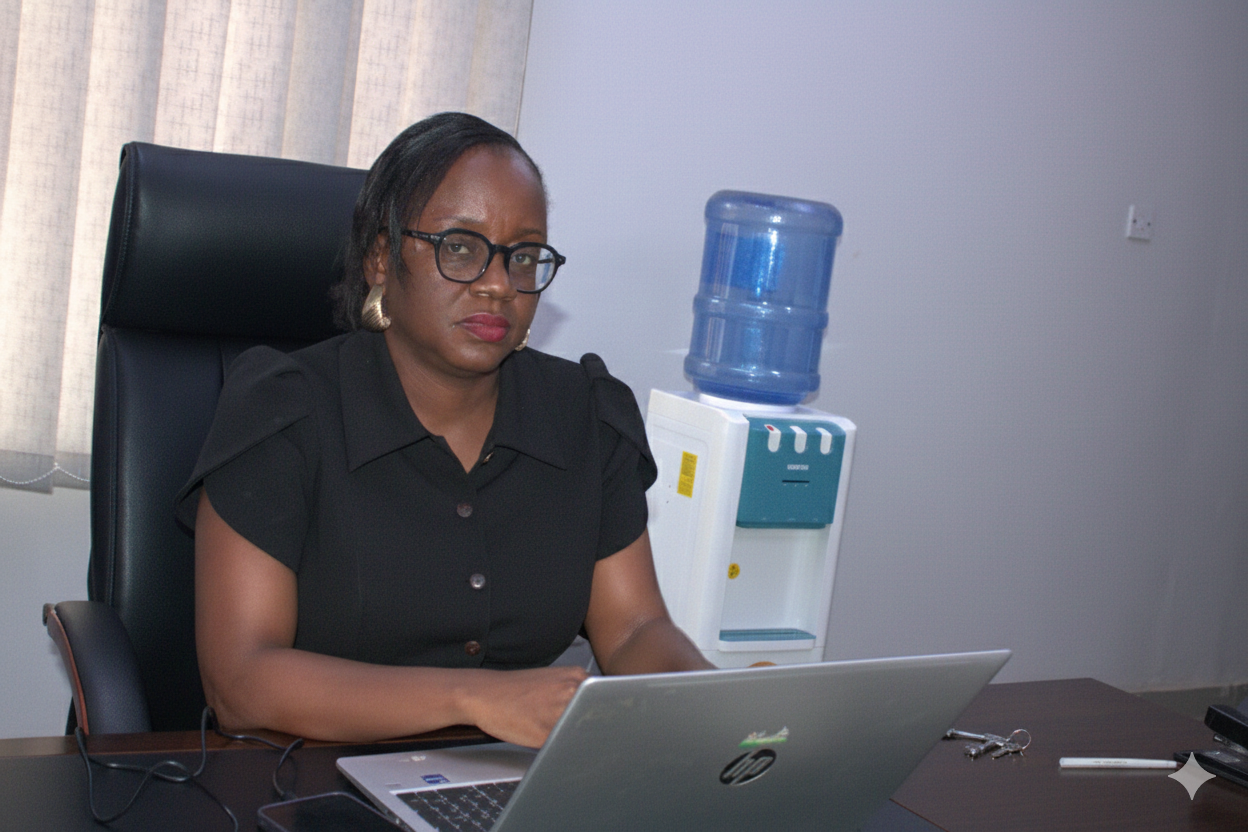
Flora Dimba
Deputy Director, E&S Unit
Ms. Dimba provides essential technical leadership within the Epidemiology and Surveillance Unit, specializing in field data logistics and monitoring. She is dedicated to optimizing sample workflows to improve the speed of laboratory reporting across rural and urban healthcare centers. Her work directly contributes to the overall resilience and transparency of Malawi’s health monitoring systems.
How it will be Delivered
This 60-minute intensive session combines technical policy updates with practical digital module walkthroughs.
- Interactive Live Demonstrations
- Expert Q&A Panel
- Automated Certification
Program Schedule
60 Mins SessionInstitutional Announcements
Genomics Strategic Plan
New digital guidelines for epidemic response now available for download.
Download NowAuthored & Published By
Moses Nyambalo Phiri
Public Health Institute of Malawi
Ministry of Health, Republic of Malawi
Building a Healthier Malawi, Together!