
PHIM Launches Applied Public Health Research Traineeship to Build a New Generation of Evidence-Driven Public Health Researchers
Advancing Evidence-Informed Policy & Practice in Malawi
LILONGWE, 17 NOVEMBER 2026 — The Public Health Institute of Malawi (PHIM), together with the Robert Koch Institute (RKI) and Deutsche Gesellschaft für Internationale Zusammenarbeit (GIZ), has officially launched the Applied Public Health Research Traineeship Programme. The launch marks the start of a two-year hybrid training initiative running from November 2026 to December 2028 to strengthen Malawi’s capacity to generate and use scientific evidence for public health decision-making.
Implemented under the Team Europe Initiative “Support to the Public Health Institute of Malawi (PHIM)” and co-financed by the European Union (EU) and the German Federal Ministry for Economic Cooperation and Development (BMZ), the programme is part of a broader four-year action led by the Ministry of Health and Sanitation (MoHS) and GIZ. It reflects a deliberate investment in PHIM’s researchers, epidemiologists, laboratory scientists, and data specialists—strengthening institutional capacity across research, knowledge generation, evidence-based policy advice, workforce training, advocacy, and regional and international partnerships.
How the Traineeship Works & Research Priorities
Delivered with technical support from RKI—Germany’s national public health institute—the programme integrates structured training with hands-on applied research so trainees learn by designing, conducting, and analysing studies that respond directly to Malawi’s health system needs. Nine PHIM staff from the Research and Development, Epidemiology and Surveillance, and Public Health Laboratory divisions are organised into three multidisciplinary teams aligned with priorities in Malawi’s National Health Research Agenda:
- Universal Health Coverage (UHC): Investigating public health emergency management coordination and health system delivery.
- Reproductive, Maternal, Newborn and Child Health (RMNCH): Examining service delivery approaches for adolescent health and prevention priorities.
- Health Security: Addressing disease surveillance, outbreak preparedness, and health protection priorities.
Launch Highlights & Partnership in Action
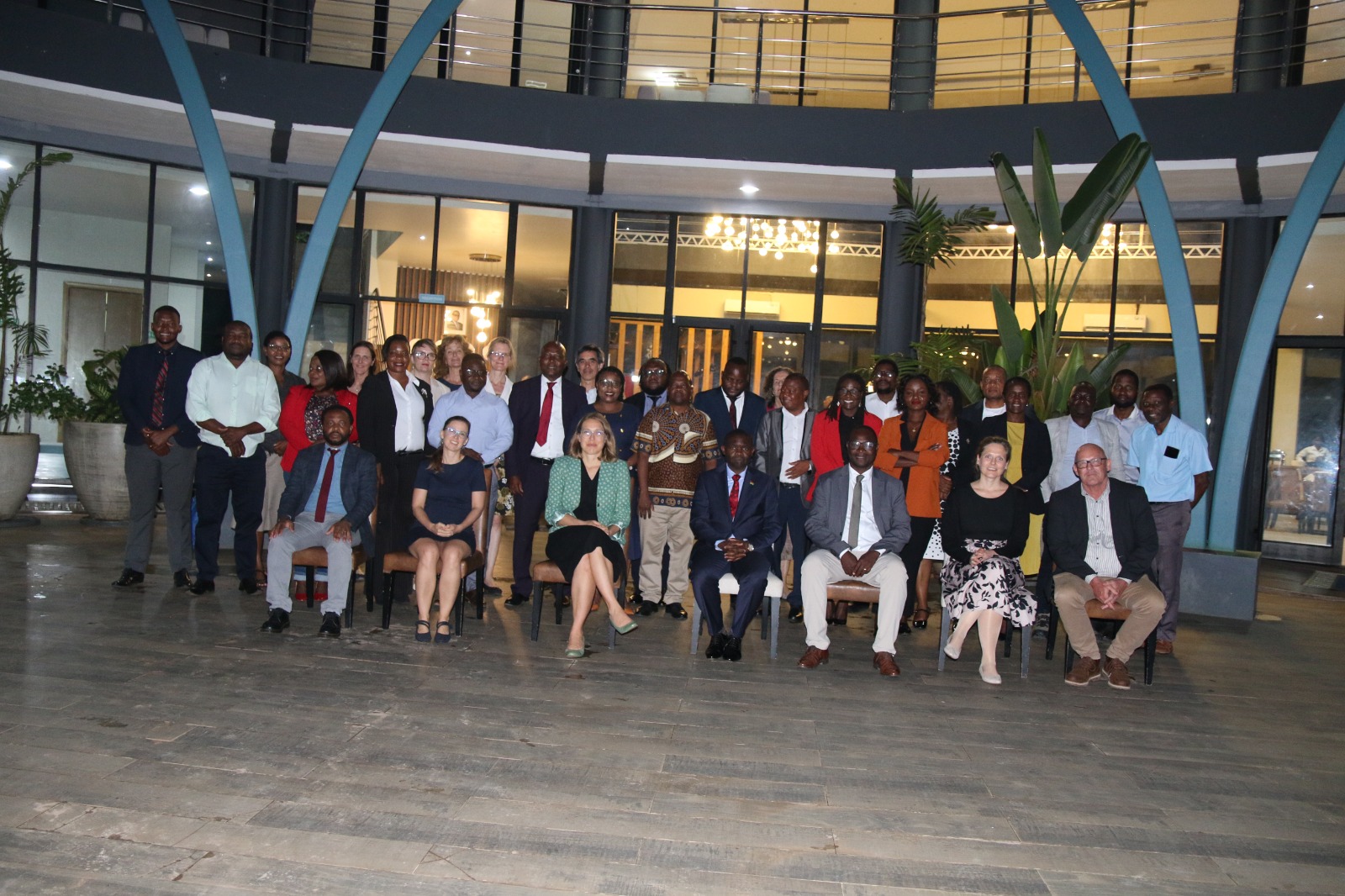
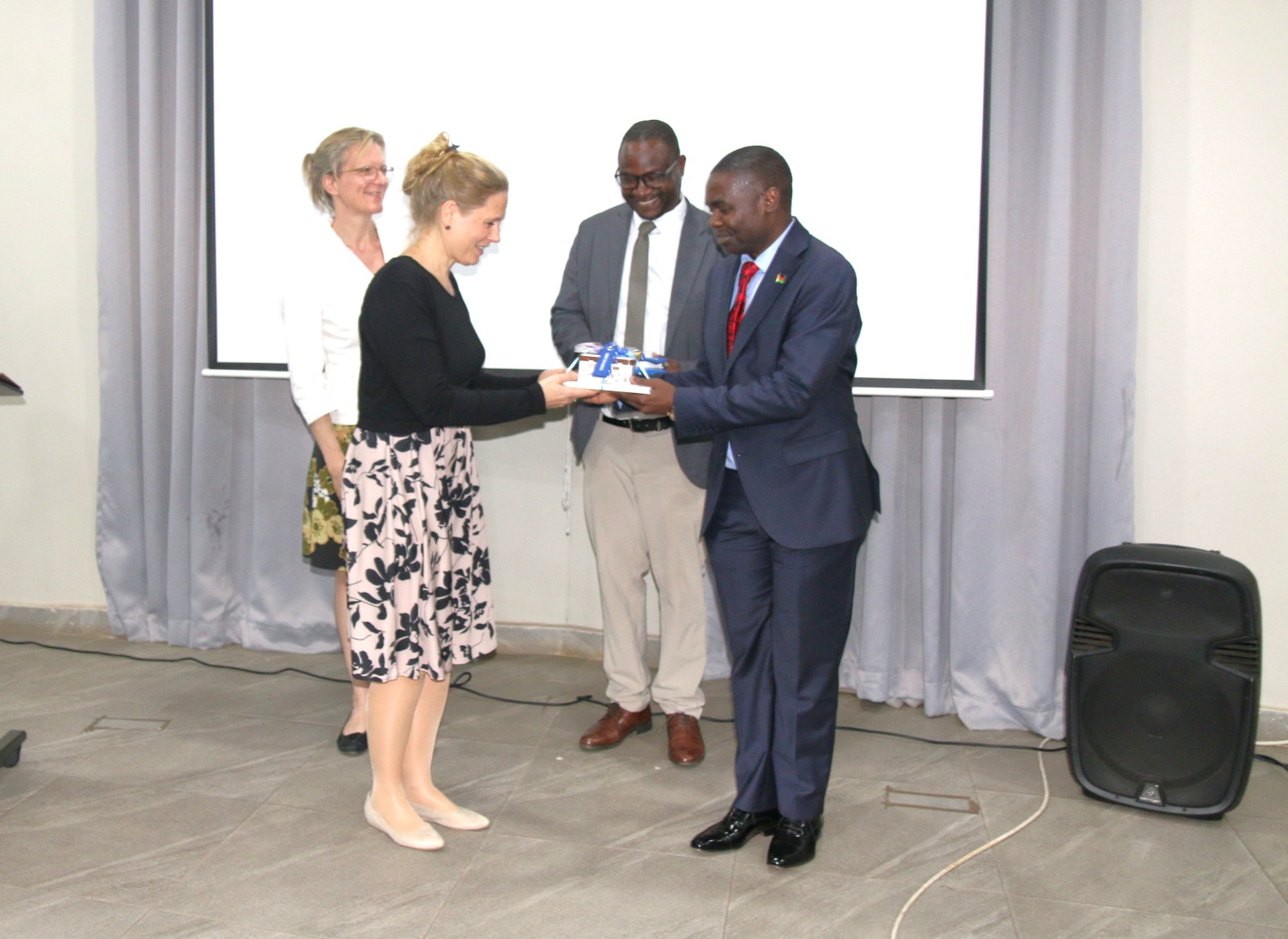
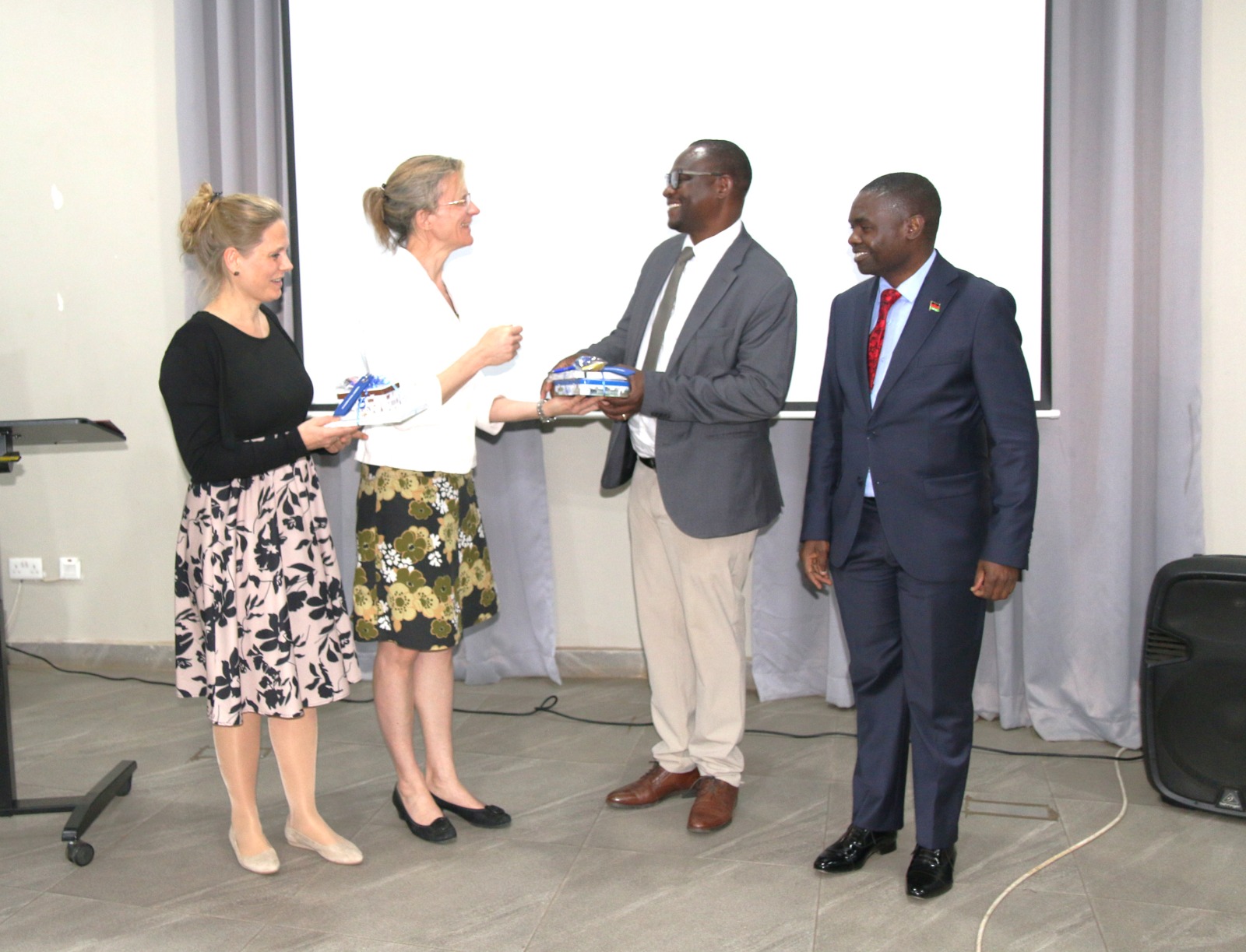
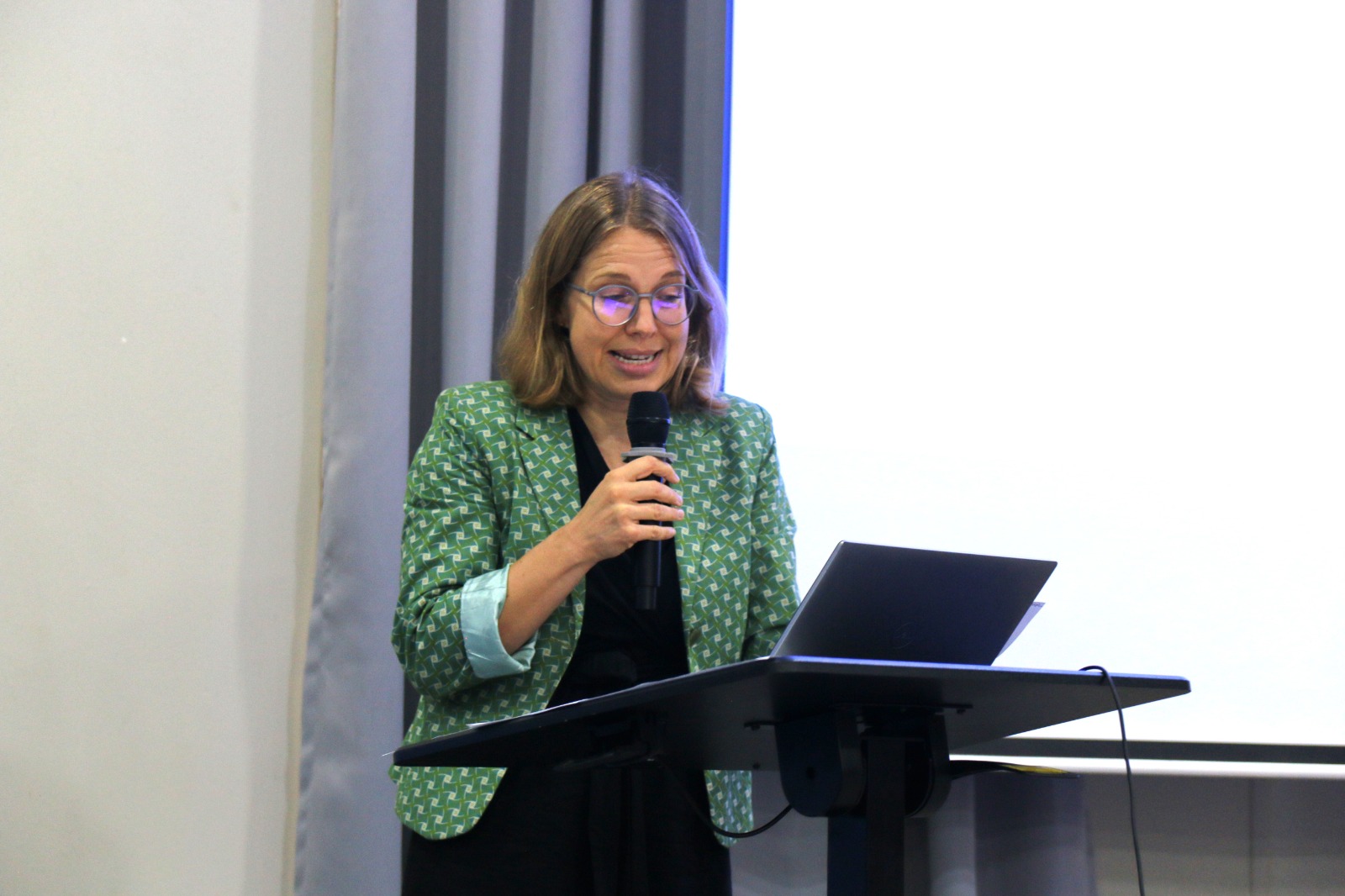
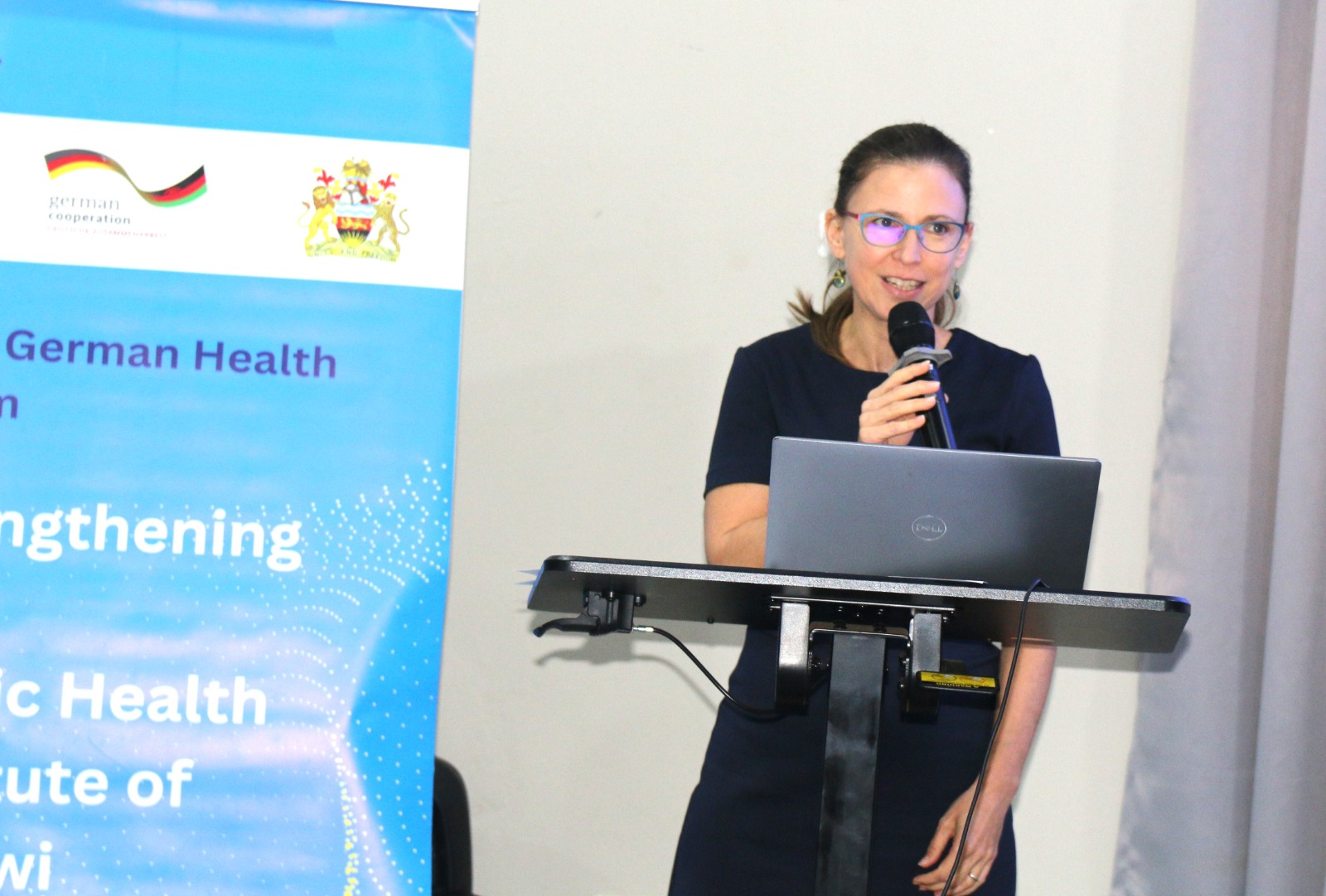
Following opening remarks from PHIM leadership, GIZ, and the European Union, RKI outlined the traineeship’s concept, approach, and two-year roadmap. Each of the three trainee research teams then presented its research topic and questions, explaining its relevance to national priorities and receiving early feedback from senior leaders and partners. The formal launch was performed by the Secretary for Health and Sanitation, Dr. Dan Namarika, followed by a commemorative gift presentation, group photography, and networking over dinner.
Highlights from the Official Launch Ceremony

Who Was in the Room
The launch brought together representatives from MoHS, PHIM, the European Union Delegation, the German Embassy in Malawi, GIZ, Kamuzu University of Health Sciences (KUHeS), and the University of Bonn in Germany. Senior MoHS directors across reproductive health, nutrition, planning and policy development, nursing and midwifery, clinical and rehabilitation services, emergency management services, and human resources joined PHIM divisions, trainees, academic mentors, and technical advisors—underscoring the value of early dialogue between evidence producers and policy decision-makers.
Why This Matters for Malawi
Malawi, like many countries, faces the dual challenge of addressing persistent health priorities while preparing for emerging threats. Meeting both demands requires a workforce that can ask the right questions, apply rigorous methods and translate findings into actionable advice for policymakers.
Three Core Strategic Impacts
1. It builds skills from within: By investing in existing PHIM staff, the programme strengthens a core of experienced researchers who are embedded in the national system and who will carry their skills into the Institute’s future work.
2. It links research to policy: Because the projects are anchored in the National Health Research Agenda, the evidence they generate is intended to answer questions that decision-makers are already asking.
3. It connects Malawi to global expertise: The partnership with the Robert Koch Institute and the support of GIZ, the EU and BMZ open channels for knowledge exchange, mentoring and long-term collaboration.
Looking Ahead
With the launch complete, the three teams will progress through hybrid training and mentorship over the next two years to turn their research questions into actionable findings for public health policy and practice in Malawi. PHIM thanks MoHS, the EU, BMZ, GIZ, RKI, KUHeS, the University of Bonn, and all partners and guests who made the launch possible.