Malawi Conducts 2025–2026 National Cholera After-Action Review (AAR) to Strengthen Outbreak Preparedness and Response
2025-2026-national-cholera-after-action-review-aar-malawi-phim
Categories: Outbreak Response, After-Action Review, Surveillance & Epidemiology
Tags: Cholera AAR, PHIM, Ministry of Health, IHR 2005, WASH, Cross-Border Surveillance, 2025-2026 Cholera Season
The Public Health Institute of Malawi (PHIM) and the Ministry of Health convened multi-sectoral national and district stakeholders for the 2025–2026 National Cholera After-Action Review (AAR) to evaluate response performance, document lessons learned, and fortify readiness ahead of future rainy seasons.
Malawi Conducts 2025–2026 National Cholera After-Action Review (AAR) to Consolidate Gains and Strengthen Outbreak Readiness
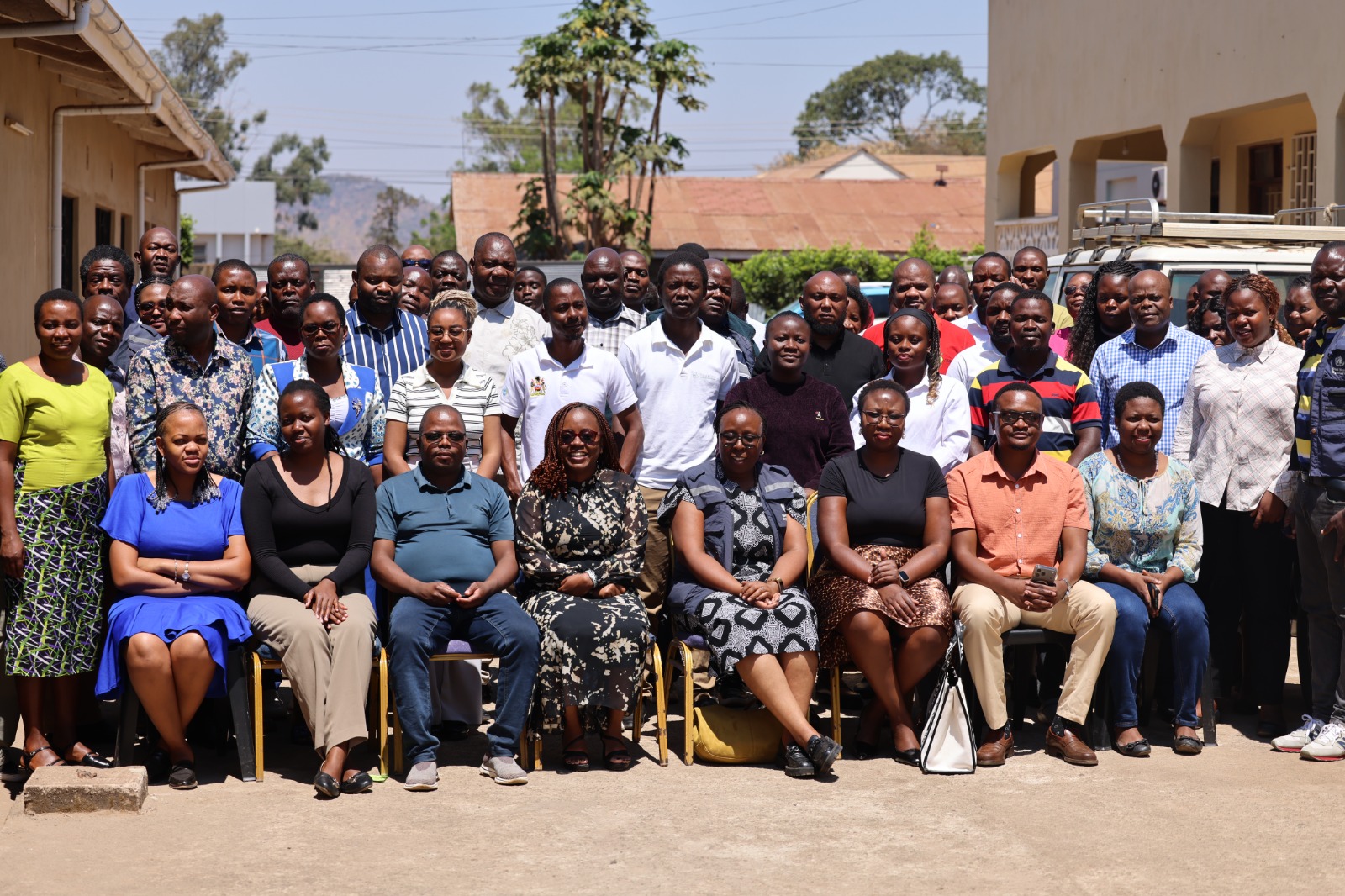
Evaluating Malawi’s 2025–2026 Cholera Response Across All Technical Pillars
LILONGWE — In line with the World Health Organization (WHO) International Health Regulations (IHR 2005) Monitoring and Evaluation Framework, the Ministry of Health through the Public Health Institute of Malawi (PHIM) convened a comprehensive 2025–2026 National Cholera After-Action Review (AAR) to critically assess Malawi’s preparedness and response during the 2025–2026 cholera outbreak season.
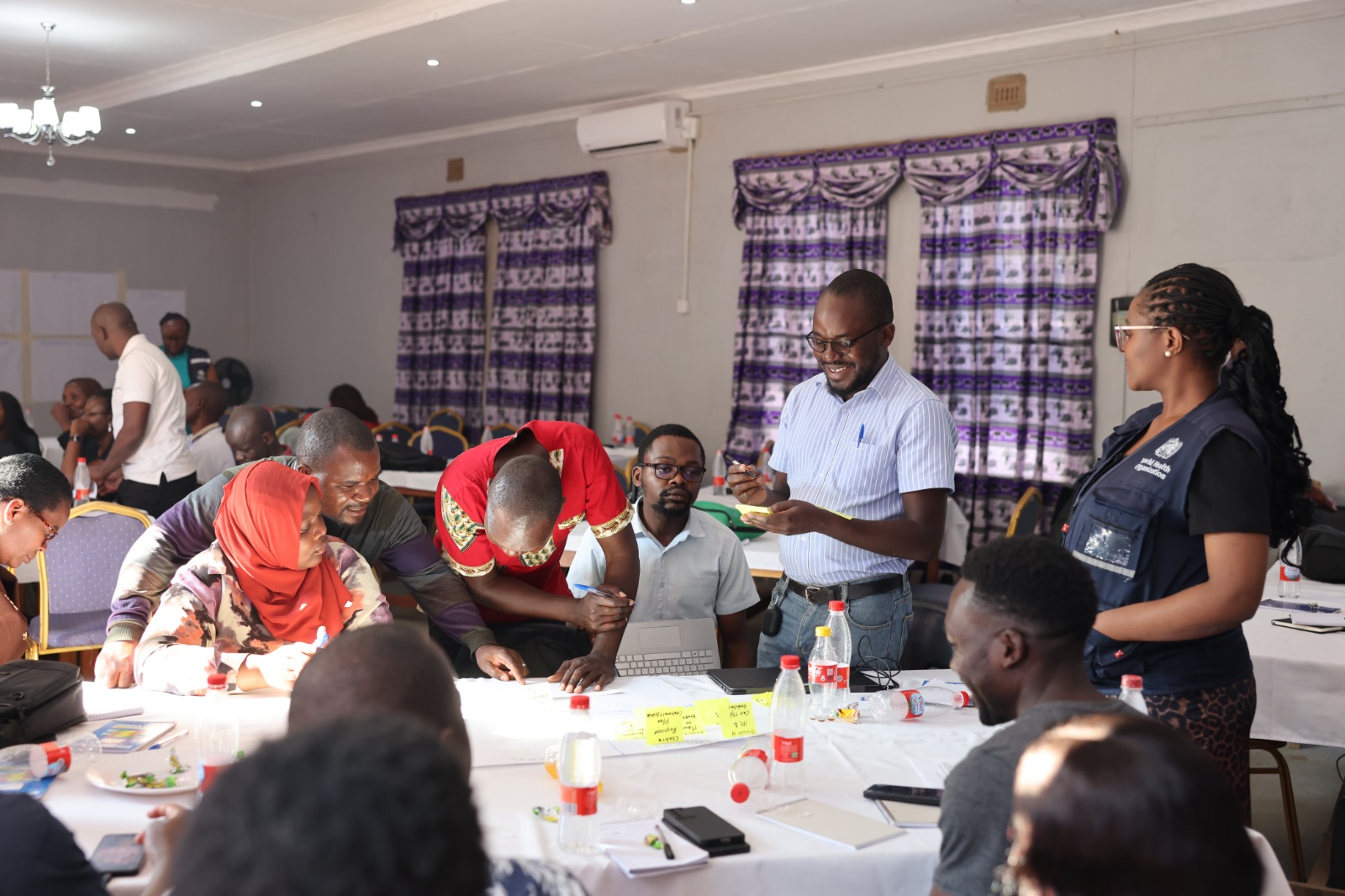
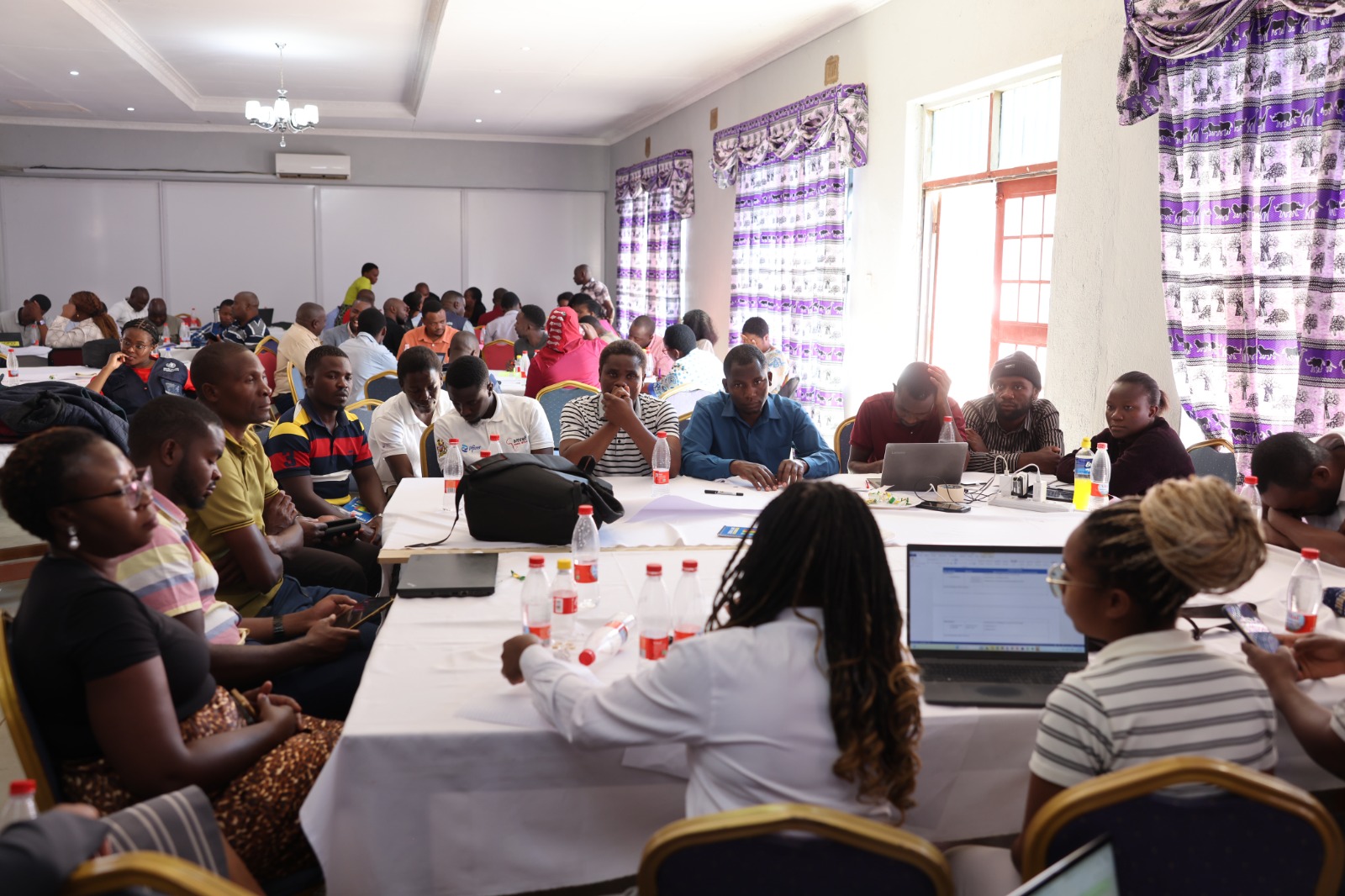
Bringing together national technical leads, District Health Management Teams (DHMTs) from affected districts, Water, Sanitation, and Hygiene (WASH) authorities, laboratory specialists, and development partners, the After-Action Review provided a structured forum to examine what worked well, identify operational bottlenecks, and institutionalize practical corrective actions prior to subsequent rainy seasons.
Purpose of the National Cholera AAR
“To systematically review the 2025–2026 cholera response across all response pillars, capture actionable lessons learned from national and sub-national teams, and establish a funded, time-bound roadmap to prevent and rapidly contain future cholera outbreaks.”
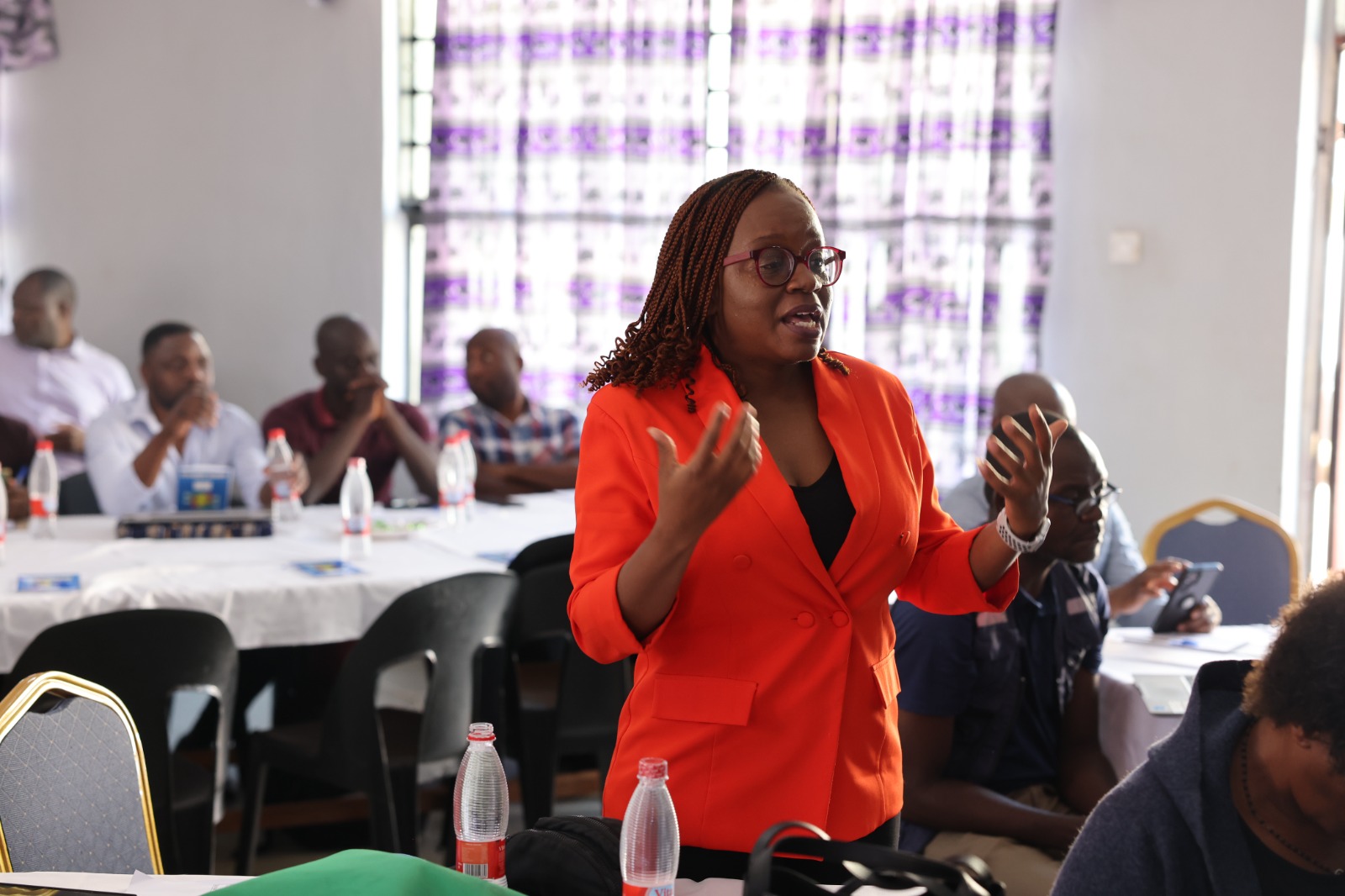
Pillar-by-Pillar Review & Technical Deliberations
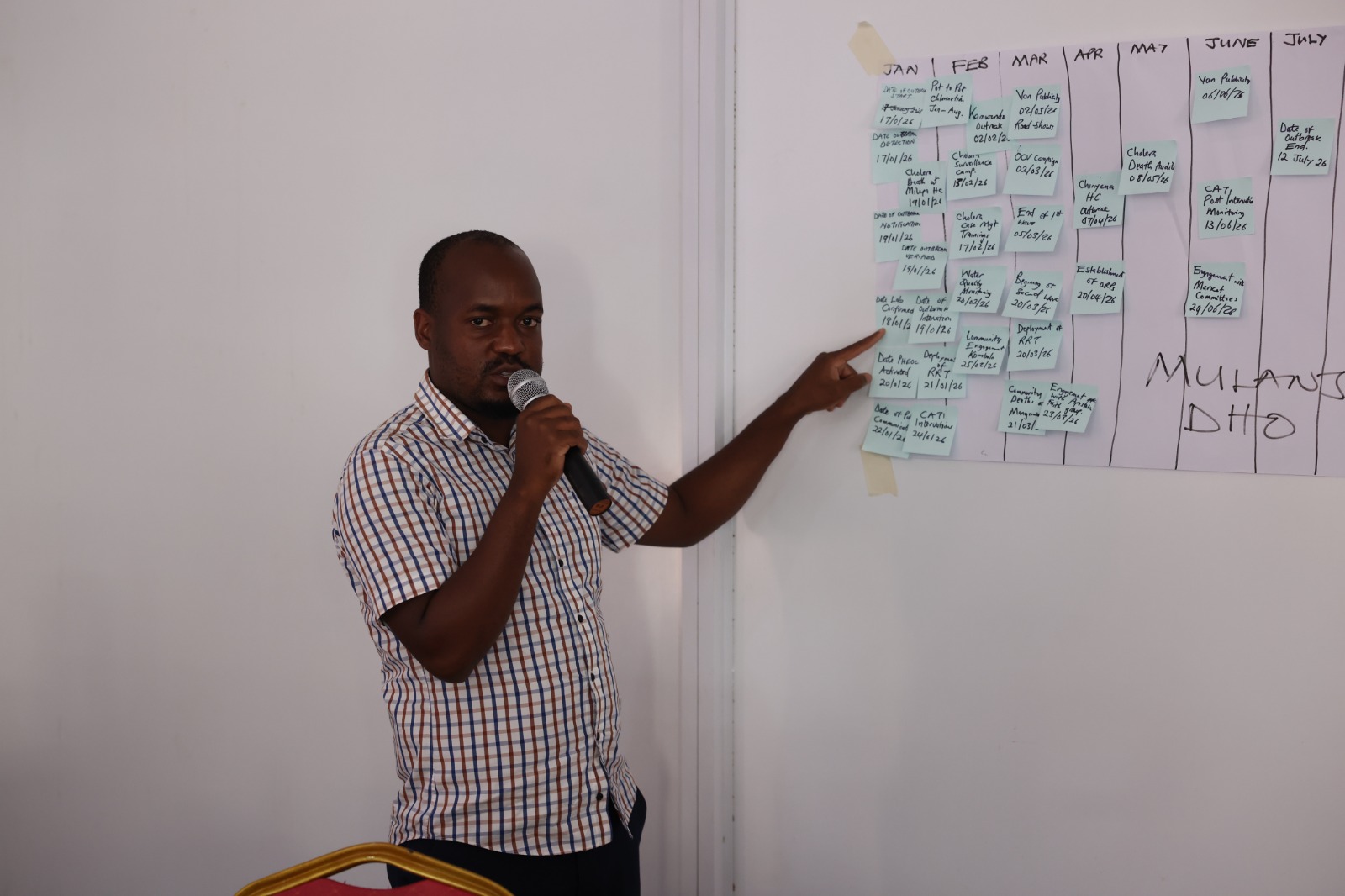
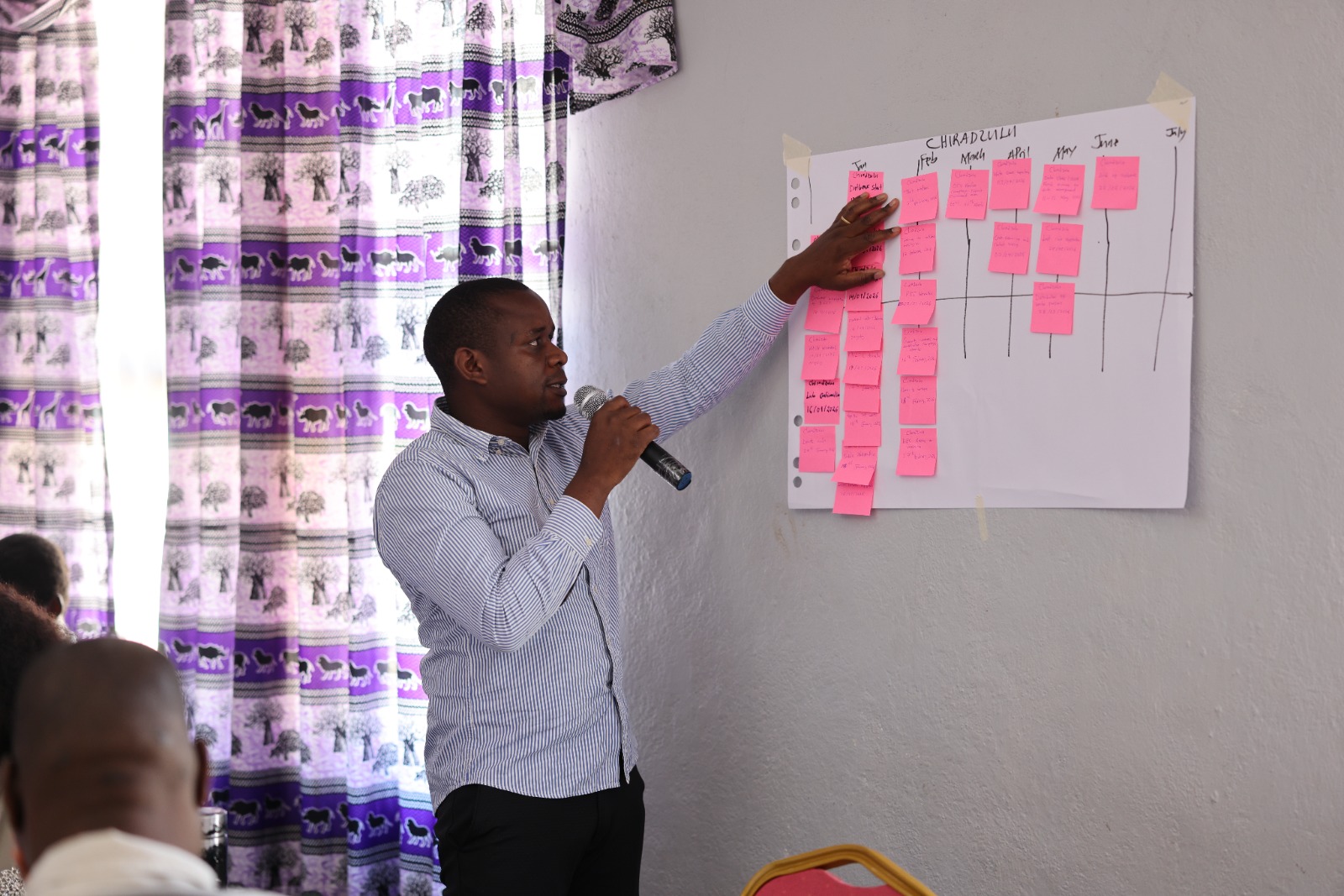
Using standardized WHO AAR methodologies, participants broke into specialized technical working groups to reconstruct timelines, analyze root causes of delays, and evaluate field interventions across core outbreak response pillars:
Coordination, Surveillance & Lab
- Incident Management System (IMS) & EOC Activation
- Early Warning, IDSR & Community Event-Based Surveillance
- Cross-Border Surveillance & Point-of-Entry Screening
- Laboratory Confirmation, Culture & Rapid Diagnostic Tests (RDTs)
Case Management, WASH & RCCE
- Cholera Treatment Units (CTUs) & Oral Rehydration Points (ORPs)
- Water Quality Monitoring, Chlorination & Sanitation
- Risk Communication & Community Engagement (RCCE)
- Supply Chain, Logistics & Oral Cholera Vaccine (OCV) Deployment
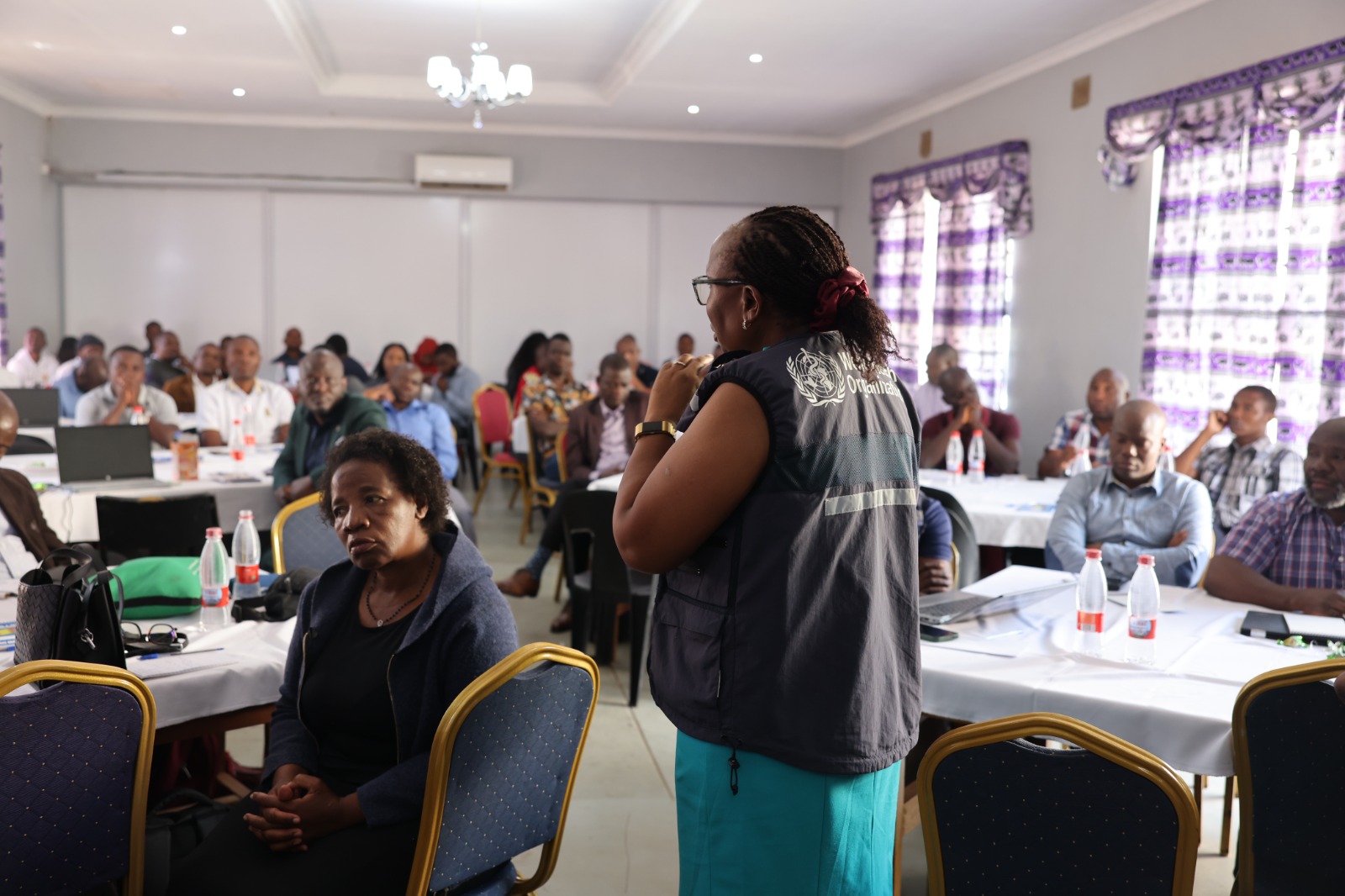
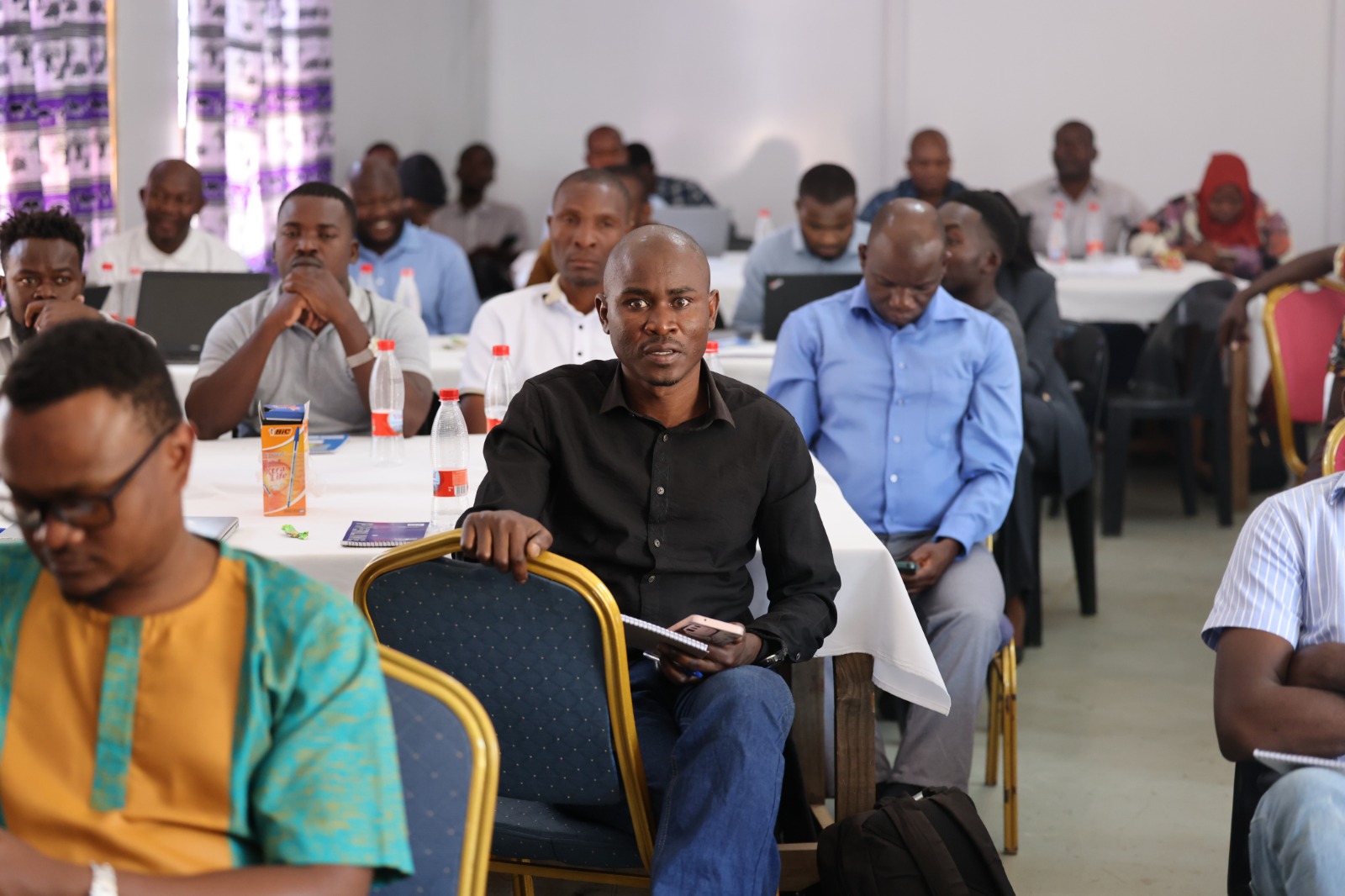
Key Best Practices & Operational Strengths
Delegates highlighted notable achievements recorded during the 2025–2026 response that contributed to faster containment and reduced case fatality compared to historical outbreaks:
- Rapid Sub-National Activation & Decentralized ORPs: Early establishment of community-level Oral Rehydration Points (ORPs) and Cholera Treatment Units improved timely access to life-saving rehydration therapy.
- Decentralized RDT & Laboratory Testing: Expanded availability of Cholera Rapid Diagnostic Tests (RDTs) at peripheral health facilities accelerated outbreak verification and targeted response deployment.
- Multi-Sectoral WASH & Community Engagement: Strong collaboration with local leaders, community health workers (HSAs), and WASH partners drove household water treatment, safe sanitation practices, and early care-seeking behavior.
- Enhanced Cross-Border Coordination: Strengthened information sharing and joint surveillance along border districts helped monitor and mitigate cross-border transmission risks.