Malawi’s National Genomic Sequencing Reference Laboratory Achieves ISO 15189:2022 Accreditation
ngsrl-phim-iso-15189-2022-accreditation-sadcas
Categories: Public Health Laboratories, Genomic Surveillance
Tags: ISO 15189:2022, NGSRL, SADCAS, PHIM, Genomic Sequencing, Quality Management, Outbreak Response
The National Genomic Sequencing Reference Laboratory (NGSRL) at the Public Health Institute of Malawi (PHIM) has been recommended for accreditation to ISO 15189:2022 by SADCAS, marking a major milestone for quality and credibility in national public health genomic surveillance.
Malawi’s National Genomic Sequencing Reference Laboratory Achieves ISO 15189:2022 Accreditation
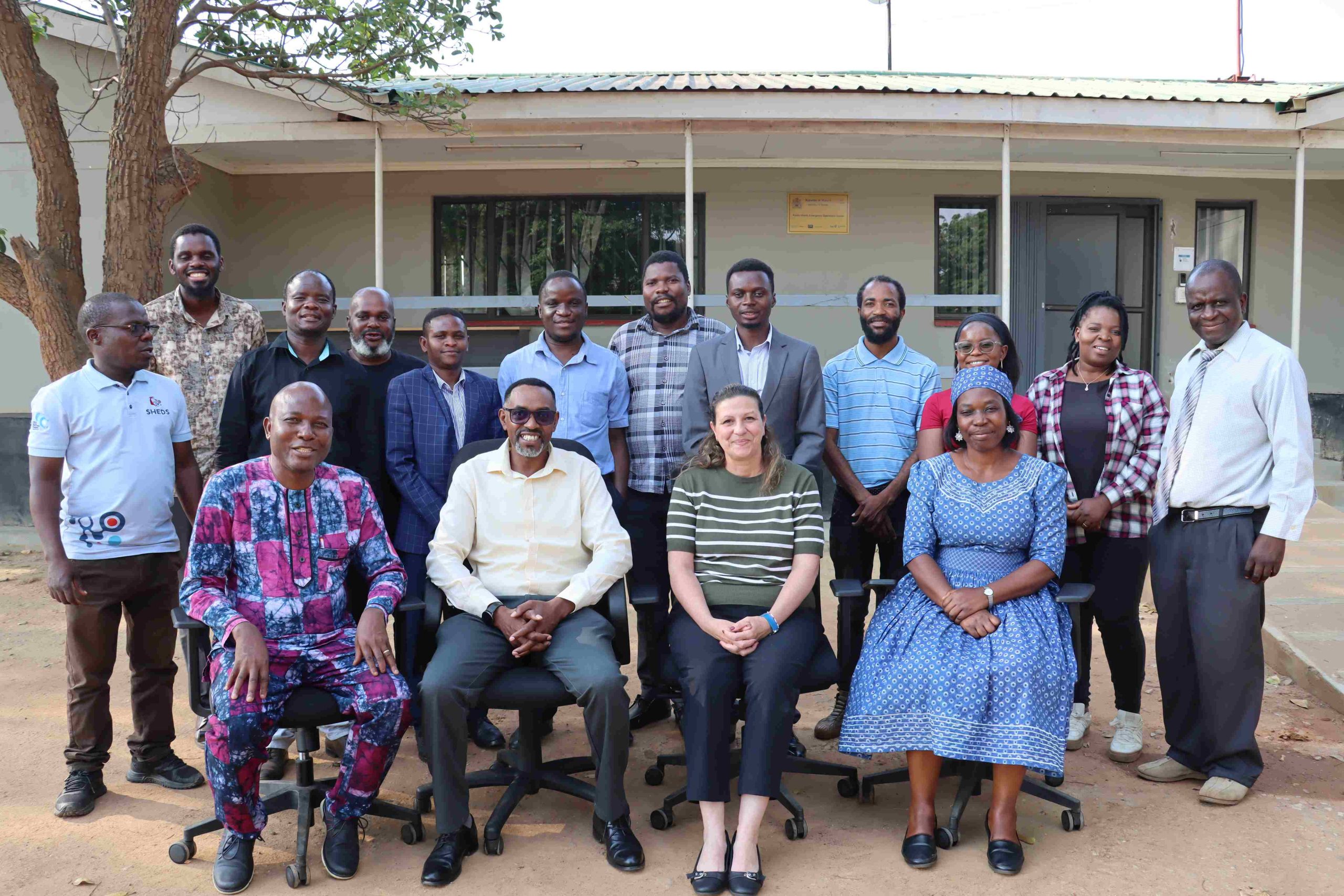
National Genomic Sequencing Reference Laboratory (NGSRL) at the Public Health Institute of Malawi (PHIM) has been recommended for accreditation to ISO 15189:2022, the gold standard for quality and competence in medical laboratories.
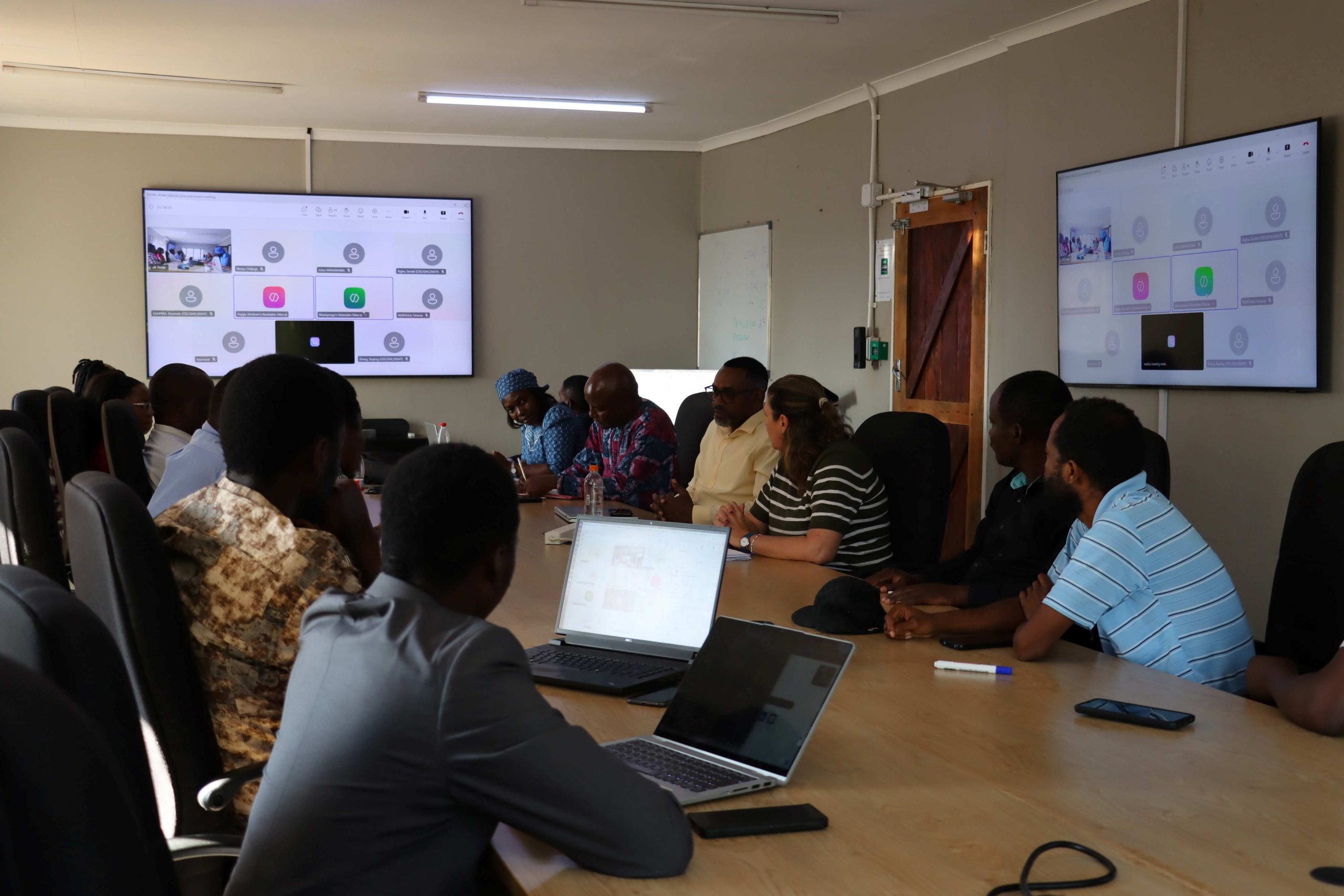
The Southern African Development Community Accreditation Service (SADCAS) officially recommended the laboratory for accreditation following a rigorous initial on-site assessment conducted on 8–9 October 2026. The assessment concluded on a high note, with SADCAS assessors and PHIM leadership celebrating the culmination of years of dedicated work by the laboratory team to establish world-class genomic quality systems.
International Recognition for National Data
“Accreditation to ISO 15189:2022 is far more than a technical requirement. It is a strategic investment in the quality, credibility, and long-term sustainability of Malawi’s public health system—ensuring that our genomic data and disease surveillance results command global confidence.”
What the NGSRL Does
Operating under the Ministry of Health, PHIM plays a central role in strengthening Malawi’s public health laboratory system, epidemic intelligence, disease surveillance, and evidence-informed decision-making. As a specialized national facility, the NGSRL delivers crucial diagnostic and genomic surveillance services for priority pathogens, including:
- Viral Threats: HIV, Influenza viruses, mpox virus, SARS-CoV-2, and epidemic-prone viral hemorrhagic fevers.
- Bacterial & Parasitic Pathogens: Mycobacterium tuberculosis, Vibrio cholerae, and malaria parasites (Plasmodium falciparum).
- Antimicrobial Resistance (AMR): Monitoring resistant superbugs and bacterial strain profiles nationwide.
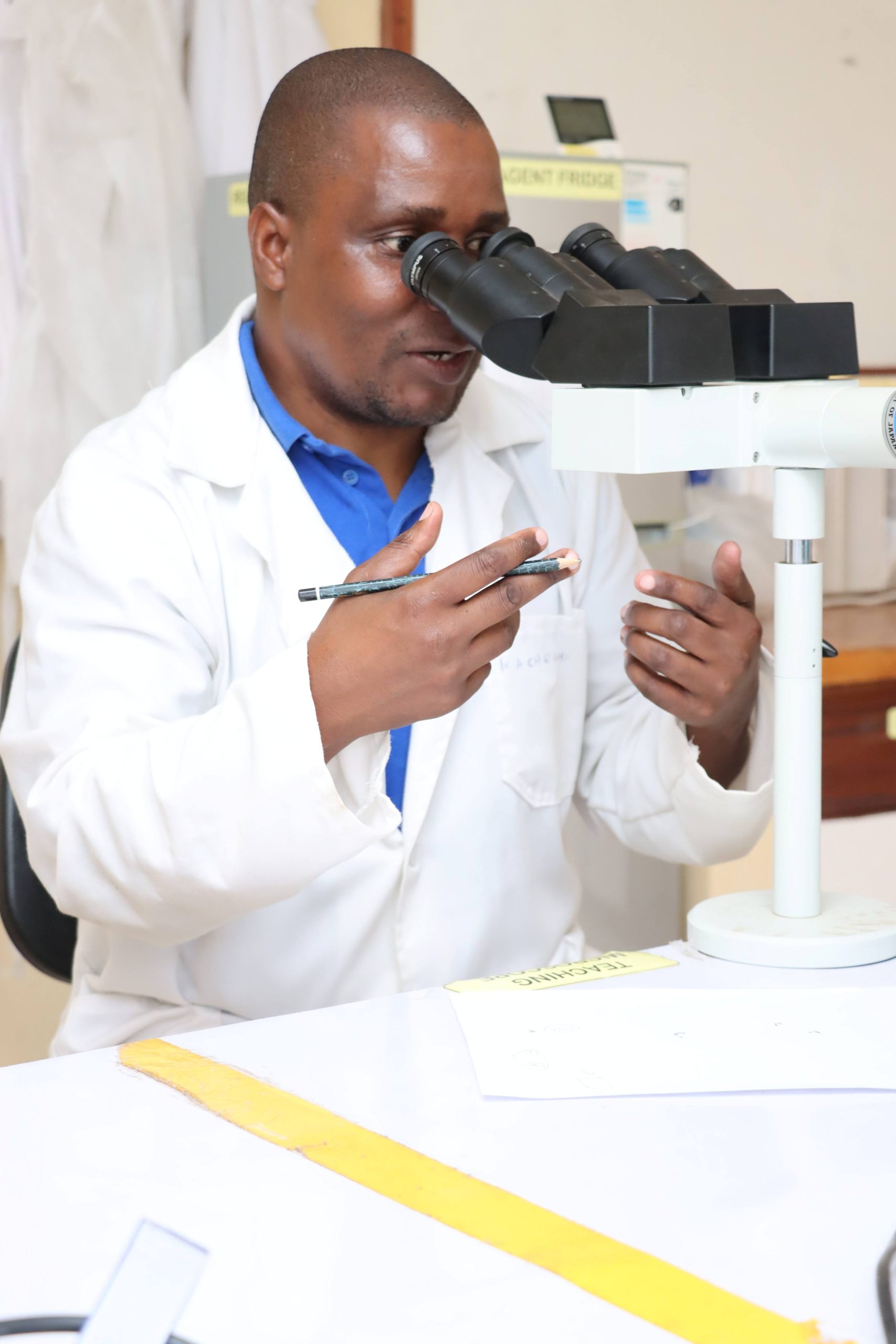
By generating molecular data for pathogen characterization, tracking transmission pathways, monitoring drug resistance, and investigating disease outbreaks, the NGSRL equips clinical managers and national public health programs with reliable, technically valid results.
A Capability Built Over Several Years
In-country genomic sequencing is a transformative advancement for Malawi. Prior to establishing local sequencing infrastructure, specialized diagnostic samples had to be shipped to regional hubs in South Africa, Uganda, or Kenya—a process that often introduced logistical delays during health emergencies.
Malawi’s journey gained momentum during the COVID-19 pandemic. Having detected the country’s first case in April 2020, national reference scientists deployed low-throughput equipment to sequence Malawi’s first batch of COVID-19 samples in June 2021, dramatically reducing reliance on external laboratories.
Today, genomics is formally anchored in national policy. On 3 July 2025, the Ministry of Health launched the updated National Genomic Surveillance Implementation Plan (2025–2030), outlining a roadmap for integrating genomic technologies across public health facilities. SADCAS accreditation ensures this strategy rests on independently verified laboratory quality.
Meeting the Updated ISO 15189:2022 Standard
The timing of this achievement carries significance. Published on 6 December 2022, the updated ISO 15189:2022 edition replaced the earlier 2012 standard, placing greater emphasis on risk management, patient welfare, and continuous process control. SADCAS established a three-year transition window ending 5 December 2025. By achieving compliance, NGSRL operates under the latest, most stringent global standard.
Why SADCAS Accreditation Matters
As a multi-economy accreditation body recognized across SADC Member States, SADCAS operates under the Mutual Recognition Agreements (MRAs) of the International Laboratory Accreditation Cooperation (ILAC) and the African Accreditation Cooperation (AFRAC).
This means sequencing results produced by Malawi’s NGSRL are internationally recognized. Whether reporting new viral variants, tracking regional drug resistance, or submitting epidemiological data to global repositories, accreditation guarantees that Malawi’s public health data meets uncompromising international quality benchmarks.
Looking Ahead
Accreditation is an ongoing commitment rather than a static destination. Moving forward, PHIM will continue to refine quality workflows, expand technical scopes, and invest in continuous professional development for laboratory staff—ensuring that Malawi remains at the forefront of disease surveillance and epidemic response.