
PHIM Strengthens Evidence-Informed Policy-Making Capacity to Bridge Research-Policy Gap in Malawi
phim-evidence-informed-policy-making-eipm-training-mponela
Categories: Research & Knowledge Management, Public Health Policy
Tags: EIPM, PHIM, Research, Policy Briefs, EVIPNet, WHO, KUHeS, CREAMS, MHEPRR
The Research Division of the Public Health Institute of Malawi (PHIM), with support from WHO, CREAMS, and KUHeS under the MHEPRR project, conducted a 4-day intensive workshop in Mponela to train researchers and implementers in Evidence-Informed Policy-Making (EIPM).
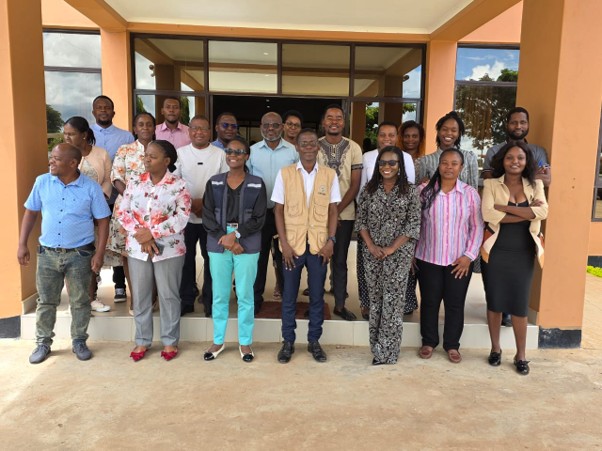
To ensure that public health research directly translates into high-impact policies and programs across Malawi, the Research Division of the Public Health Institute of Malawi (PHIM) convened a four-day intensive training workshop on Evidence-Informed Policy Making (EIPM) from 2 to 5 March 2026 at Linde Hotel in Mponela.
The workshop was implemented under the Malawi Health Emergency Preparedness, Response and Resilience Project (MHEPRR). It specifically targeted 30 researchers and program implementers from PHIM, providing them with hands-on skills to synthesize, critically appraise, and package scientific evidence into actionable policy briefs, infographics, and analytical factsheets for decision-makers.
Addressing the Research-to-Policy Gap
While generating robust public health research is critical for improving health outcomes and strengthening national health systems under the One Health framework, a persistent bottleneck remains: research evidence often stays confined to academic journals rather than being translated into accessible, timely formats for policymakers.
Opening the workshop, Dr. Matthew Kagoli emphasized that bridging this translation gap is essential for building a resilient public health system that responds proactively to health emergencies and population needs.
Core Mandate of PHIM Research Division
“The use of research evidence in policymaking is non-negotiable for sustainable health system strengthening. Our goal is to empower PHIM researchers not only to generate evidence, but to actively drive its uptake through clear, policy-relevant knowledge products.”
— Dr. Bernard Mvula, Head of Knowledge Management, PHIM Research Division
Collaborative Delivery & EVIPNet Framework
The training was facilitated collaboratively by experts from the World Health Organization (WHO), the Clinical Research Education and Management Services (CREAMS), the Kamuzu University of Health Sciences (KUHeS), and PHIM leadership.
Training materials were adapted from the WHO-backed Evidence-Informed Policy Network (EVIPNet) resources, structured around four core learning pillars:
Participants learned methods to systematically evaluate research quality, identify methodological bias, and determine contextual relevance to local health priorities.
- Rapid evidence reviews
- Critical appraisal toolkits
Focusing on understanding decision-making pathways, identifying key policy champions, and mapping stakeholder influence to align research timing with policy windows.
- Power & interest mapping
- Strategic advocacy pitches
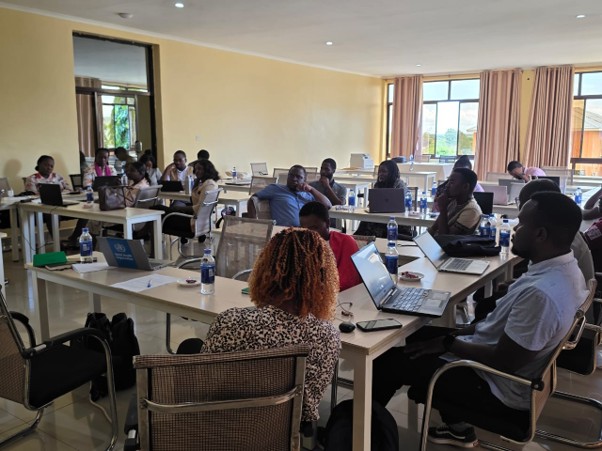
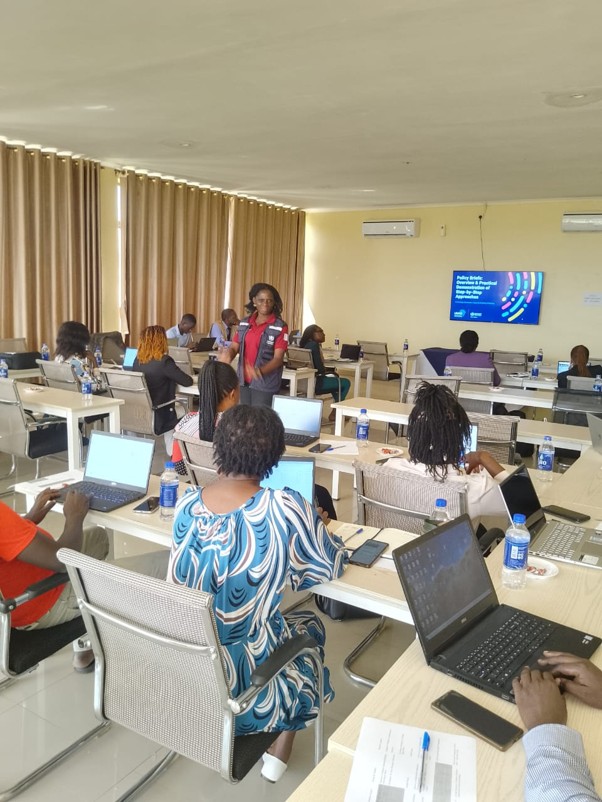
Hands-On Policy Product Generation
Through real-world case simulations, participants drafted concise policy briefs, visual infographics, and analytical factsheets addressing major health challenges in Malawi. The teams defended their proposals in simulated policy advocacy pitches before a panel of facilitators.
Key Recommendations & Next Steps
To sustain the gains from this workshop, PHIM and its development partners identified four strategic priority actions:
- Institutionalizing Translation Mechanisms: Establish formal internal structures within PHIM to systematically synthesize research and produce regular policy briefs.
- Expanding Training Scope: Scale up EIPM capacity-building to include researchers and program officers from other Ministry of Health departments and district-level health offices.
- Sustained Researcher-Policymaker Platforms: Create permanent dialogue platforms connecting researchers directly with policymakers to foster continuous uptake of evidence.
- Dedicated Mentorship Programs: Institute ongoing mentorship to support staff in refining draft policy products into published decision tools.