
Epidemiology and
Surveillance Division
The sentinel of national health security. We lead the detection of outbreaks and guide the response to public health emergencies of national and international concern.
Division Leadership and Structure
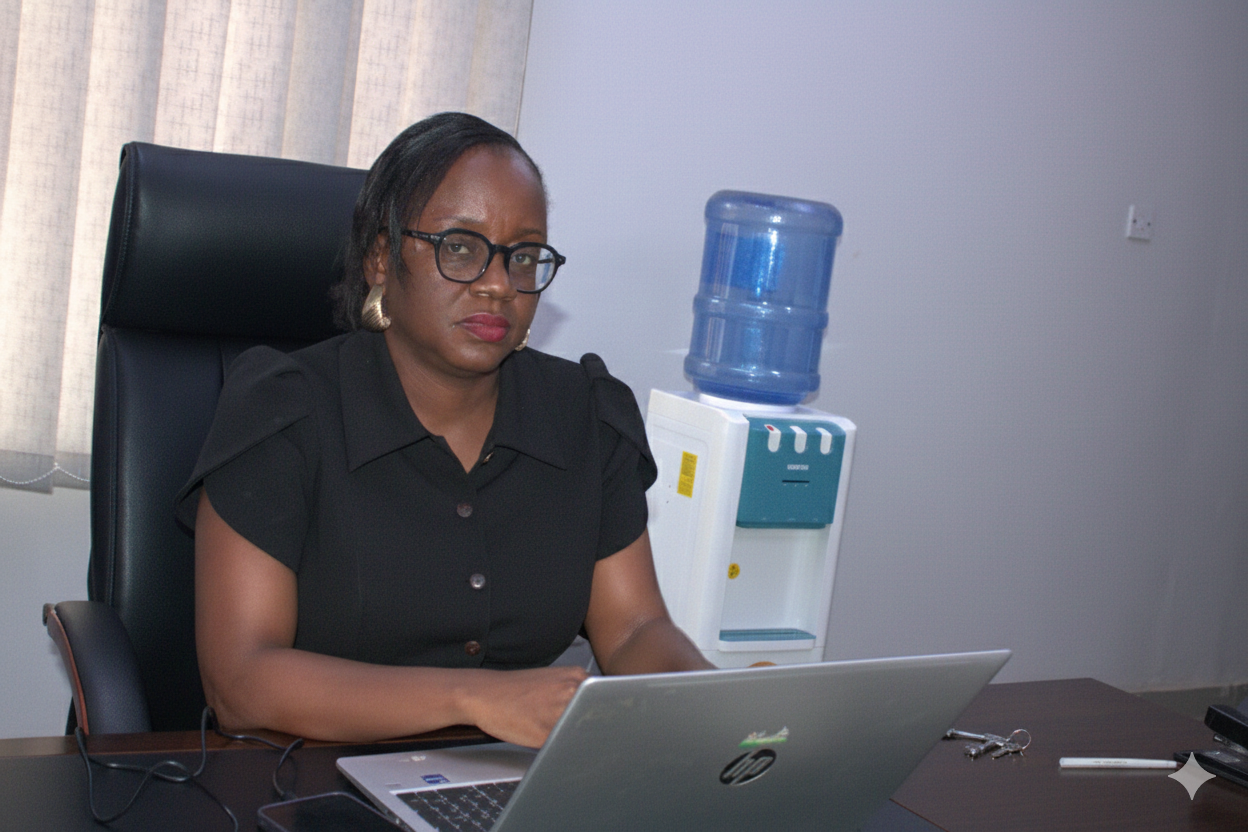
Mrs. Flora Dimba
Deputy Director, Epidemiology & Surveillance
Division Oversight
Leads the division in ensuring national health security through effective surveillance systems, strategic leadership in outbreak response, and oversight of IHR compliance.
Preparedness & Response
Wiseman Chimwaza
Head of Section
Develops multi-hazard contingency plans, coordinates simulation exercises, and manages the Incident Management System (IMS).

National Surveillance
Mtisunge Yelewa
Head of Section
Oversees IDSR, indicator-based surveillance, and leads Epidemic Intelligence from Open Sources (EIOS) and data analysis.

One Health & IHR
Mark Mwalabu
Head of Section
Coordinates the One Health approach, serves as the IHR communications point, and manages Genomic/AMR Surveillance activities.

Capacity Building & POE
Grace Funsani
Head of Section
Leads the Field Epidemiology Training Program (FETP) and strengthens cross-border/Point of Entry (POE) capacities.
Detailed Functional Areas
EPR – Preparedness & Response
The Emergency Preparedness and Response (EPR) section is the proactive arm of the division, focusing on minimizing the impact of health threats before they occur. This includes developing and maintaining comprehensive multi-hazard contingency plans, conducting rigorous risk assessments and vulnerability analyses, and executing regular simulation exercises to test national readiness. They also manage the Incident Management System (IMS) during active crises, ensuring coordinated resource mobilization and timely generation of situation reports (SitReps) and outbreak data management.
IDSR – Disease Surveillance
The National Surveillance section is dedicated to the continuous monitoring and analysis of health data through the Integrated Disease Surveillance and Response (IDSR) framework. This encompasses both indicator-based surveillance (routine data collection) and event-based surveillance, where real-time reports are monitored through Epidemic Intelligence from Open Sources (EIOS). The section tracks and analyzes trends for communicable diseases, including Vaccine Preventable Diseases (VPD), zoonotic diseases, and increasingly focuses on the surveillance of Non-Communicable Diseases (NCDs) to inform prevention strategies.
IHR – One Health & Compliance
This section ensures Malawi’s compliance with the International Health Regulations (IHR 2005) and champions the One Health approach, recognizing the interconnectedness of human, animal, and environmental health. It coordinates the National Focal Point (NFP) for global communication, facilitates cross-border collaboration with neighboring states, and leads activities related to the Global Health Security Agenda (GHSA). Additionally, it manages the follow-up actions from the Joint External Evaluation (JEE) and oversees specialized surveillance streams, including Antimicrobial Resistance (AMR) and Genomic Surveillance.
FETP – Training & Workforce
The Capacity Building section focuses on developing a skilled and sustainable public health workforce capable of detecting and responding to threats at all levels. Its flagship initiative is the Field Epidemiology Training Program (FETP), offering training at Frontline, Intermediate, and Advanced tiers. The section also conducts specialized Public Health Emergency Management (PHEM) courses, coordinates the deployment of African Volunteer Health Corps (AVoHC) surge support, and actively strengthens infrastructure and personnel capacities at critical Points of Entry (POE) to prevent the importation or exportation of diseases.
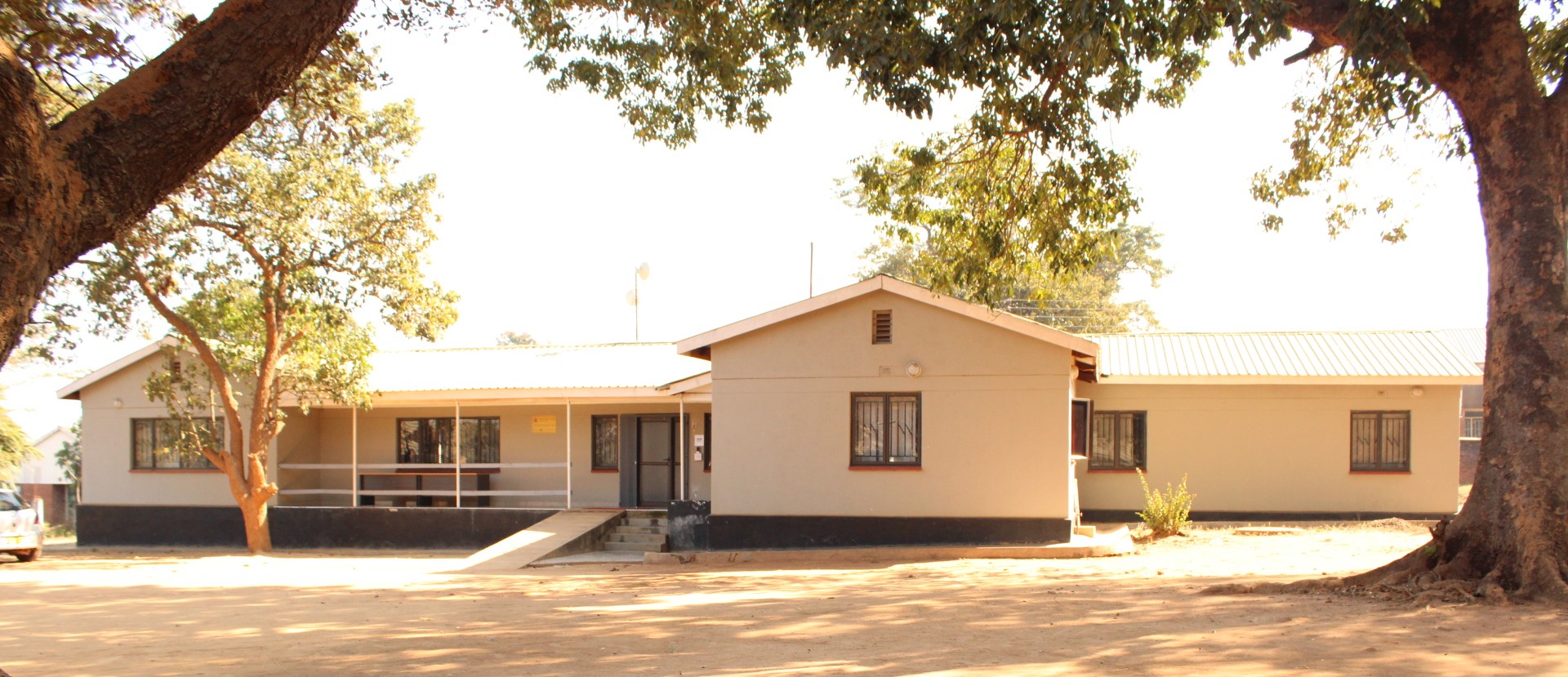
Located at Area 3, CHSU, Lilongwe
National PHEOC
The National Public Health Emergency Operations Centre (NPHEOC) is the 24/7 coordination hub for all health crises. It shifts between three operational modes: Watch, Alert, and Response, ensuring rapid and effective national mobilization.
It serves as the central command for district PHEOCs, providing technical support, mobilizing resources, and guiding strategic communication to the public and international partners.
- Surveillance & Disease Intelligence
- Emergency Preparedness & Response
- Laboratory Systems & Network
- Information Systems
- Public Health Research