
1st National Public Health Research Dissemination Conference – Report
NPHRDC 2025
“Strengthening Institutional Collaboration to Sustain Health Research amid Funding Constraints.”
Bridging Science and Policy
The Public Health Institute of Malawi (PHIM), in collaboration with its partners, successfully hosted the inaugural National Public Health Research Dissemination Conference (NPHRDC) which took place from Wednesday, October 2nd to Friday, October 4th, 2025 at in Lilongwe, Malawi . This landmark event was established as a high-level forum to address the disconnect between scientific discovery and policy implementation within Malawi’s health sector.
Throughout the proceedings, delegates explored how Malawi can move toward research self-reliance. The summary report details a strategic shift toward institutional synergy, ensuring that research is not just an academic exercise but a tool for national development aligned with the Malawi 2063 vision.
Core Conference Objectives
Evidence-Based Policy Dissemination
The primary objective was to create a centralized repository of high-quality research findings to inform the Ministry of Health’s strategic decisions. By bringing together over 200 delegates, the conference ensured that critical data regarding disease trends and health system gaps was communicated directly to policy-makers.
This dissemination focus is designed to reduce the “know-do” gap, ensuring that health interventions across the country are grounded in local evidence rather than generalized global assumptions.
Institutional Collaboration & Synergy
In an era of dwindling global health funding, the conference sought to foster multi-sectoral partnerships. This involves breaking down the silos between academic institutions like KUHES, government bodies like PHIM, and international NGOs.
The objective was to map out shared resources technical, financial, and infrastructural to create a more resilient research ecosystem that can survive external funding shocks through internal efficiency and local ownership.
Evaluating NHRA II Progress
A critical technical objective was to audit the progress of the National Health Research Agenda (NHRA) II. The conference served as a peer-review platform to determine which research priorities are being met and which areas such as mental health or environmental health require redirected focus in the coming fiscal years.
Detailed Thematic Areas
Communicable & Non-Communicable Diseases
This theme addressed Malawi’s “double burden.” While infectious diseases like Malaria and HIV remain priorities, there is a rising prevalence of hypertension, diabetes, and cancers.
The sessions focused on integrated care models where screening for NCDs is built into existing infectious disease clinics, maximizing limited primary healthcare resources.
Health Systems & Governance
Research under this pillar examined the “pillars” of the health system: financing, leadership, and human resources.
The discussions highlighted the importance of decentralization, asking how local district health offices can lead research that solves community-specific bottlenecks in service delivery.
Innovation, Technology & Infrastructure
A major focus was placed on digital health (mHealth) and the modernization of health infrastructure.
Specific attention was given to the sustainability of medical oxygen systems and the implementation of electronic medical records to improve longitudinal patient tracking and data-driven decision making.
Social Determinants of Health
This cross-cutting theme explored how climate change, nutrition, and socioeconomic status impact health outcomes. The conference advocated for a “Health in All Policies” approach to tackle the root causes of poor health.
Deep Dive: Expert Proceedings
Plenary Session Insights
Led by Dr. Thomas Nyirenda, the plenary addressed the “Funding Constraints” reality. The discussion shifted from “asking for more” to “using better.” Experts proposed a “Shared Research Infrastructure” model, where high-cost laboratory equipment and data centers are shared across multiple institutions to reduce overhead.
A standout panel featured leadership from PHIM, NAC, CREAMS, HEIPU, and TRUE. They redefined the role of NGOs, reaching a consensus that all NGO-led research must be anchored within national priorities to avoid duplication.
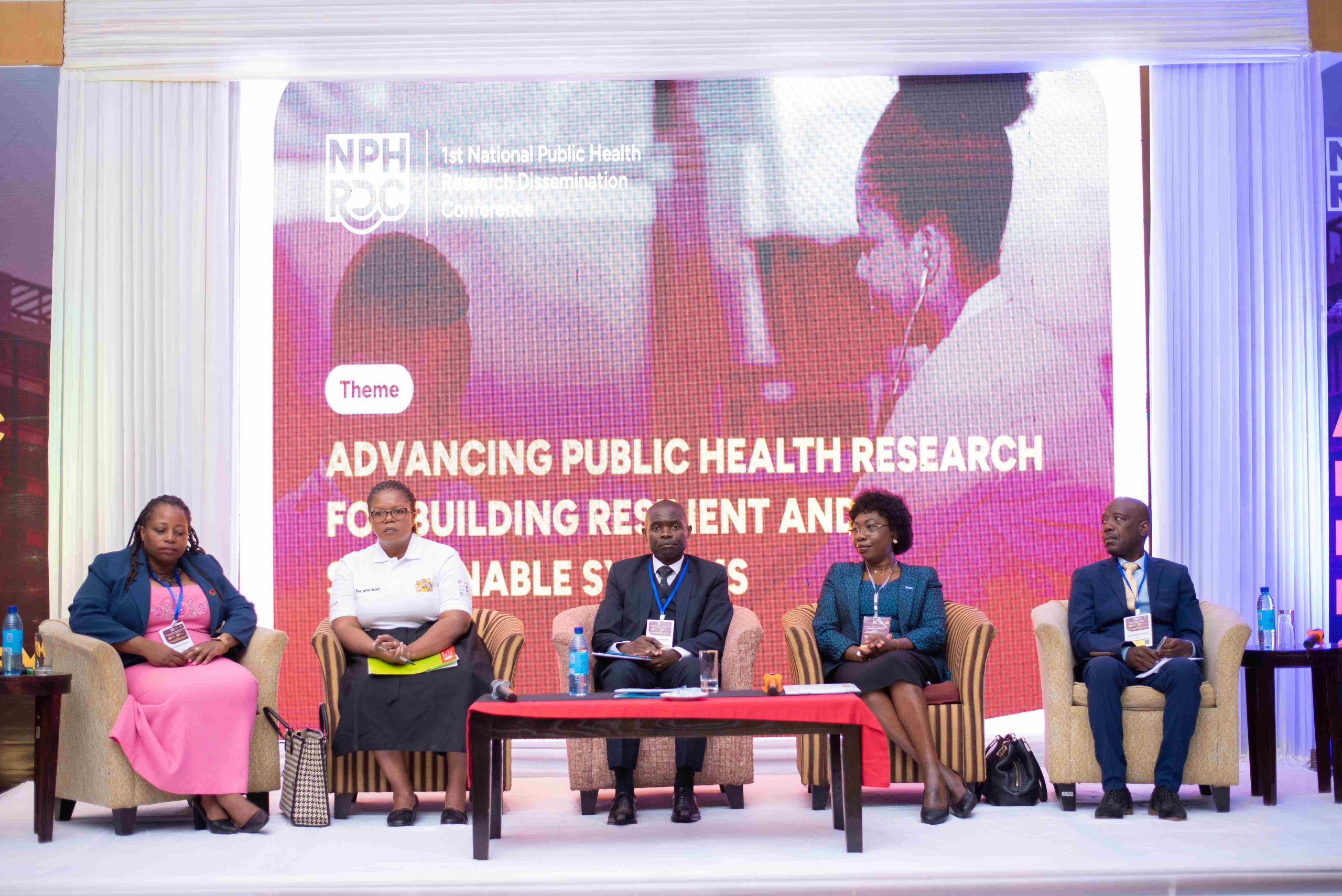
Panel Discussion – Plenary Session: Role of NGOs in spearheading research
Oral & Poster Dissemination
The conference hosted dozens of oral presentations characterized by intense peer review. This allowed for the validation of methodologies and the refinement of conclusions before they reached the policy stage.
The Poster Gallery Walk was particularly effective for young researchers, facilitating one-on-one mentorship moments with veteran epidemiologists and senior health officials. This visual and interactive format encouraged rigorous academic exchange and networking.
Throughout the three days, over 80 scientific works were shared. These ranged from rapid situational assessments to long-term clinical trial results, providing a comprehensive map of the current state of public health in Malawi.
Highlights Preview
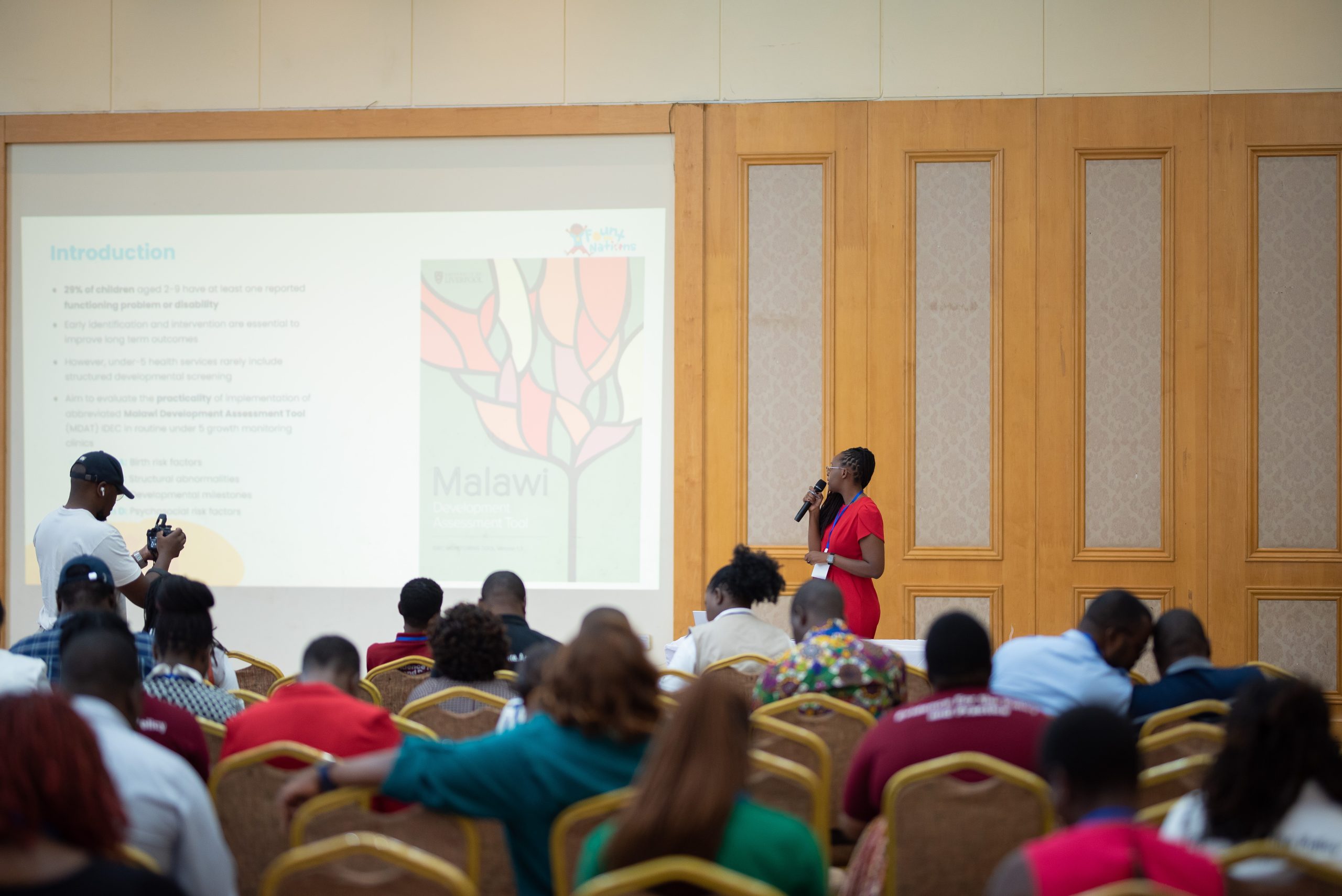
Oral Presentation Session
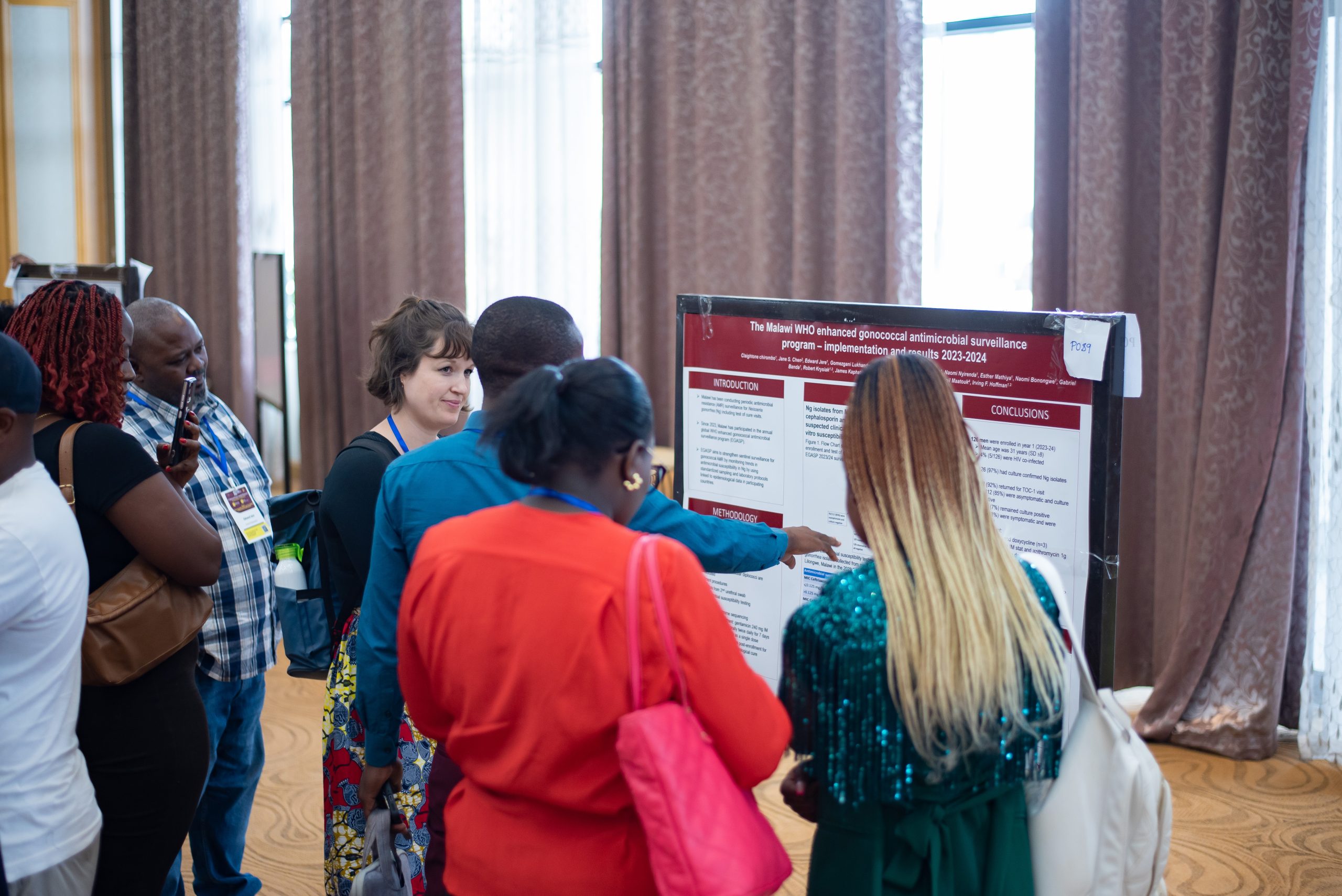
Poster Presentation Highlights
Scientific rigor was maintained through a multi-stage review process involving the Scientific Committee. Submissions were evaluated based on their alignment with national health targets, methodological soundness, and the clarity of their policy implications. This ensured that only the most impactful evidence was presented to the national audience.
Opening Remarks and & Awards
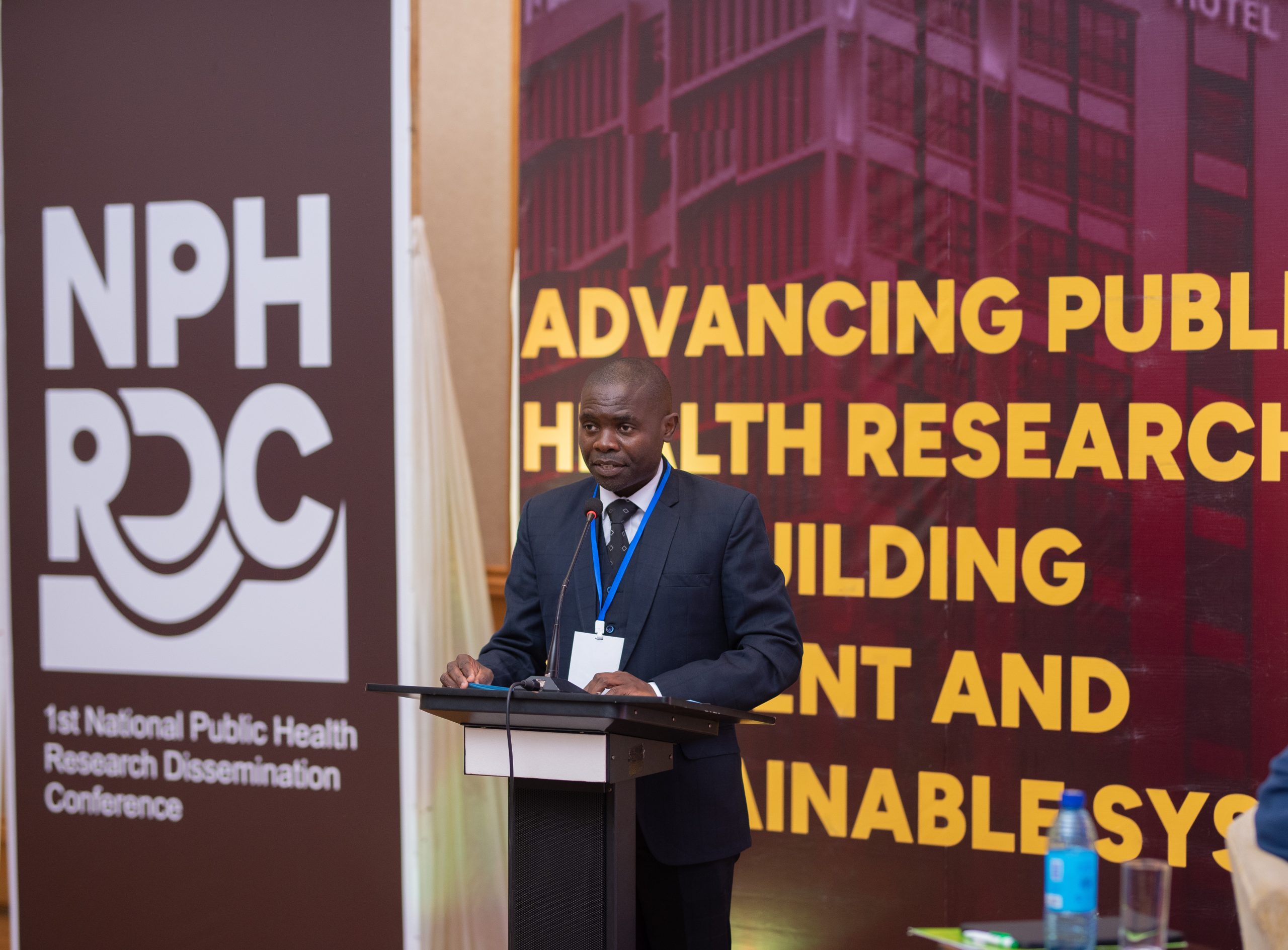
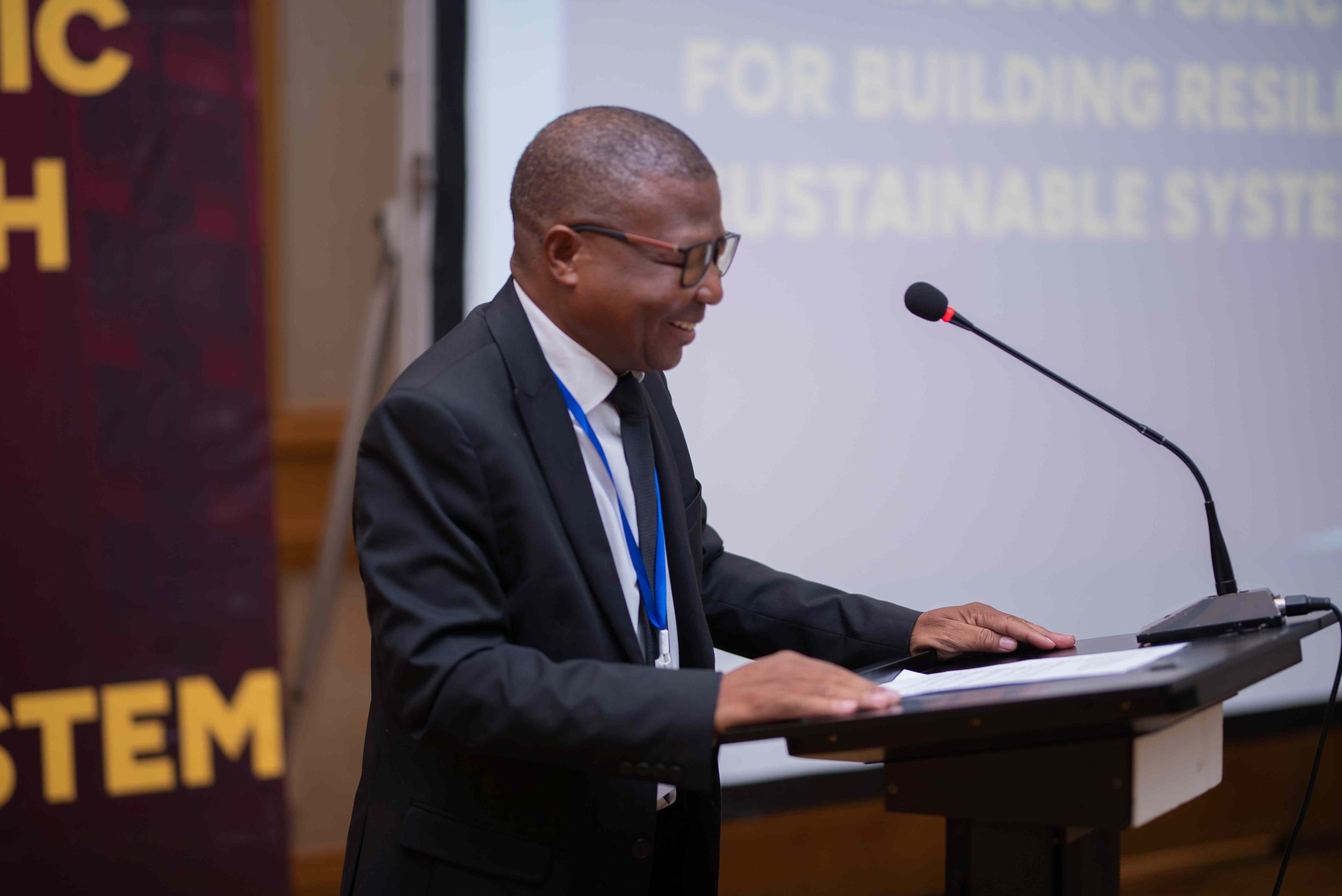
Official Opening Remarks: Dr. Dan Namarika
Secretary for Health
Honoring Scientific Dedication
In a momentous highlight of the closing ceremony, the conference conferred the Lifetime Achievement Award upon Dr. Evelyn Chitsa Banda. This prestigious recognition celebrates her transformative leadership in epidemiological surveillance and her relentless pursuit of scientific excellence. Over decades of service, Dr. Banda has not only shaped Malawi’s public health policies but has also served as a cornerstone mentor, meticulously building the capacity and scientific rigor of the next generation of health researchers within the Public Health Institute of Malawi and beyond.
Special Thanks to
Dr. Bernard Mvula
Head of Knowledge Management, Research-PHIM